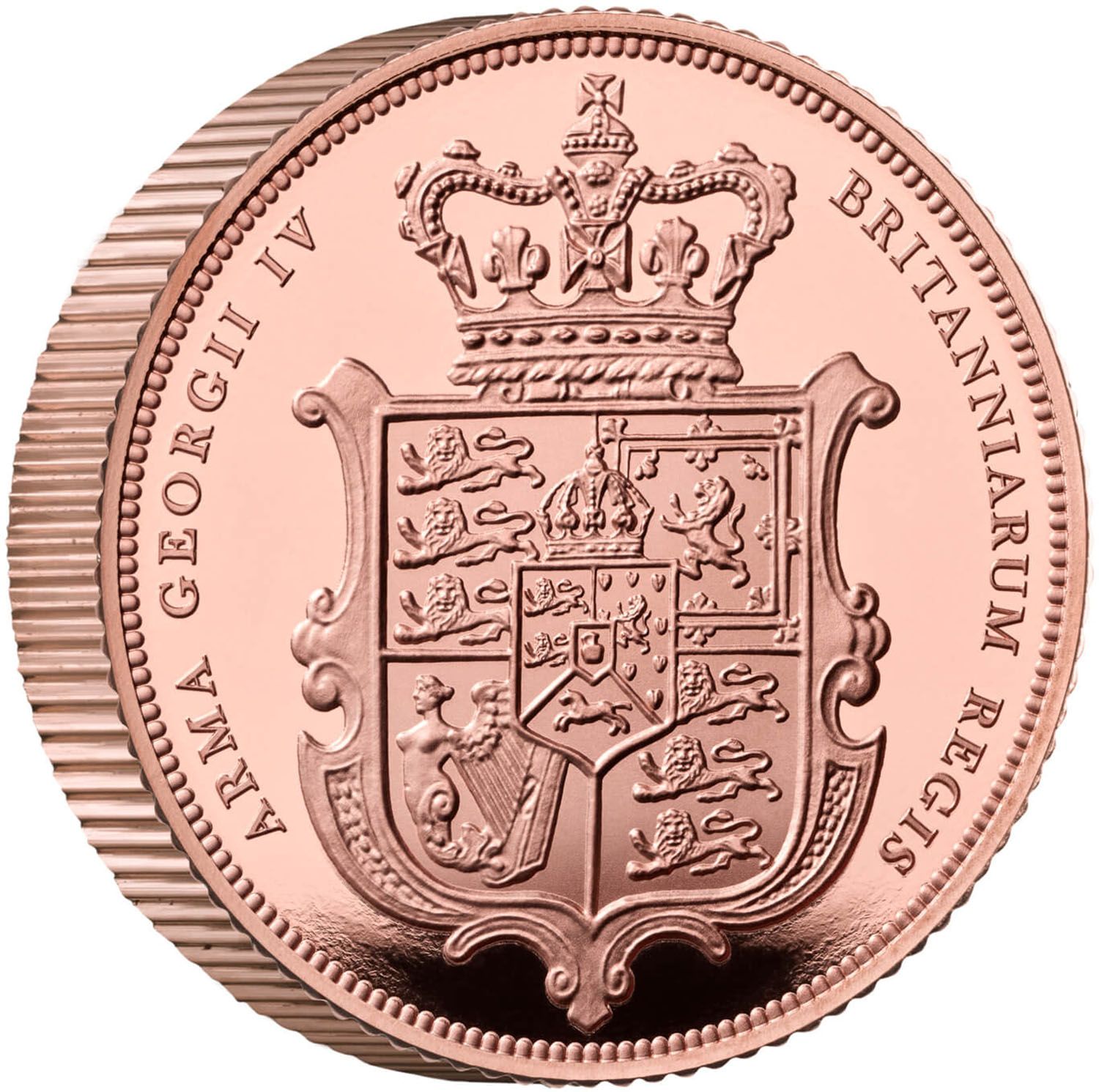
<p>Most people never notice a mint mark on a coin, a tiny letter or privy mark near the date that tells you <em>which</em> mint struck the piece. For collectors of George V and earlier British coins, mint marks are a major part of valuation. Here's what to look for.</p>
<h2>UK mint marks, by era</h2>
<h3>1816–present: the Royal Mint (no mark)</h3>
<p>Coins struck at the Royal Mint itself, first Tower Hill, later Llantrisant, carry <strong>no mint mark</strong>. This covers the vast majority of British coinage. The Royal Mint is the default producer; a privy mark only appears when another mint helped.</p>
<h3>1874–1932: Heaton Mint, Birmingham (H)</h3>
<p>During major coin shortages the Royal Mint contracted private mints to supplement capacity. The Heaton Mint (Ralph Heaton & Sons, later The Mint, Birmingham Ltd) was the most prolific, striking coins from 1874 through 1932. Its mint mark is a small <strong>"H"</strong> beneath the date on the reverse.</p>
<p>Key Heaton-struck dates for collectors:</p>
<ul>
<li><strong>1874 H, 1875 H, 1876 H pennies</strong>, Victoria Bun Head. Scarcer than London strikes. £20–£250 depending on grade.</li>
<li><strong>1912 H, 1918 H, 1919 H pennies</strong>, George V. £15–£100.</li>
<li><strong>1882 H bronze penny</strong>, a scarce date in any grade.</li>
</ul>
<h3>1918–1919: Kings Norton Metal Company (KN)</h3>
<p>During WWI coinage shortages, Kings Norton Metal Company in Birmingham also struck British pennies. The mark is <strong>"KN"</strong> beneath the date.</p>
<ul>
<li><strong>1918 KN penny</strong>, scarcer than standard 1918. £20–£80.</li>
<li><strong>1919 KN penny</strong>, same pattern. £15–£60.</li>
</ul>
<p>Only 1918 and 1919 pennies carry the KN mark. Anything else claiming KN is misidentified or fake.</p>
<h3>Dominion mints (for UK-linked coins)</h3>
<p>Outside the UK itself, several Commonwealth mints also struck British-type coins:</p>
<ul>
<li><strong>Ottawa, Canada (C)</strong>, sovereigns 1908–1919</li>
<li><strong>Melbourne, Australia (M)</strong>, sovereigns 1872–1931</li>
<li><strong>Sydney, Australia (S)</strong>, sovereigns 1855–1926</li>
<li><strong>Perth, Australia (P)</strong>, sovereigns 1899–1931</li>
<li><strong>Bombay, India (I)</strong>, sovereigns 1918 only</li>
<li><strong>Pretoria, South Africa (SA)</strong>, sovereigns 1923–1932</li>
</ul>
<p>Rare dominion-mint sovereign combinations are worth significant premiums over common London strikes. A 1917 C Ottawa sovereign in high grade can reach £5,000+.</p>
<h2>Where exactly to look</h2>
<p>Mint marks on British coinage almost always appear on the <strong>reverse (tails side)</strong>, usually:</p>
<ul>
<li>Beneath the date</li>
<li>Just above the exergue line (the horizontal line near the bottom of the reverse)</li>
<li>Occasionally within the design itself (e.g. hidden in the lace on Edward VII sovereigns)</li>
</ul>
<p>You'll need a loupe (at least 5×, ideally 10×) to see them clearly on circulated coins. On heavily worn pieces the marks may be invisible.</p>
<h2>Privy marks vs mint marks</h2>
<p>Some modern issues (especially Jersey and Isle of Man territorial coins) use <em>privy marks</em>, small symbols like anchors, shields or animals rather than letters. These perform the same function: identifying the mint or issuing authority.</p>
<p>The Royal Mint's Llantrisant facility has occasionally used privy marks on commemorative pieces to distinguish variant issues, the 1996 Football European Championship £2 carries a small ball-and-flame motif.</p>
<h2>Modern coins, why no marks?</h2>
<p>From the 1960s onwards the Royal Mint handled all UK coinage in-house; contracted private minting ended. Modern UK circulating coins therefore carry no mint mark. The absence itself tells you: struck at the Royal Mint, Llantrisant.</p>
<p>For mint-mark-specific listings in our catalogue, use the filter on <a href="/coins">/coins</a>.</p>
Identifying Mint Marks on British Coins
👤
Editor, MyCoinage
·
Published 16 June 2026