Quick answer
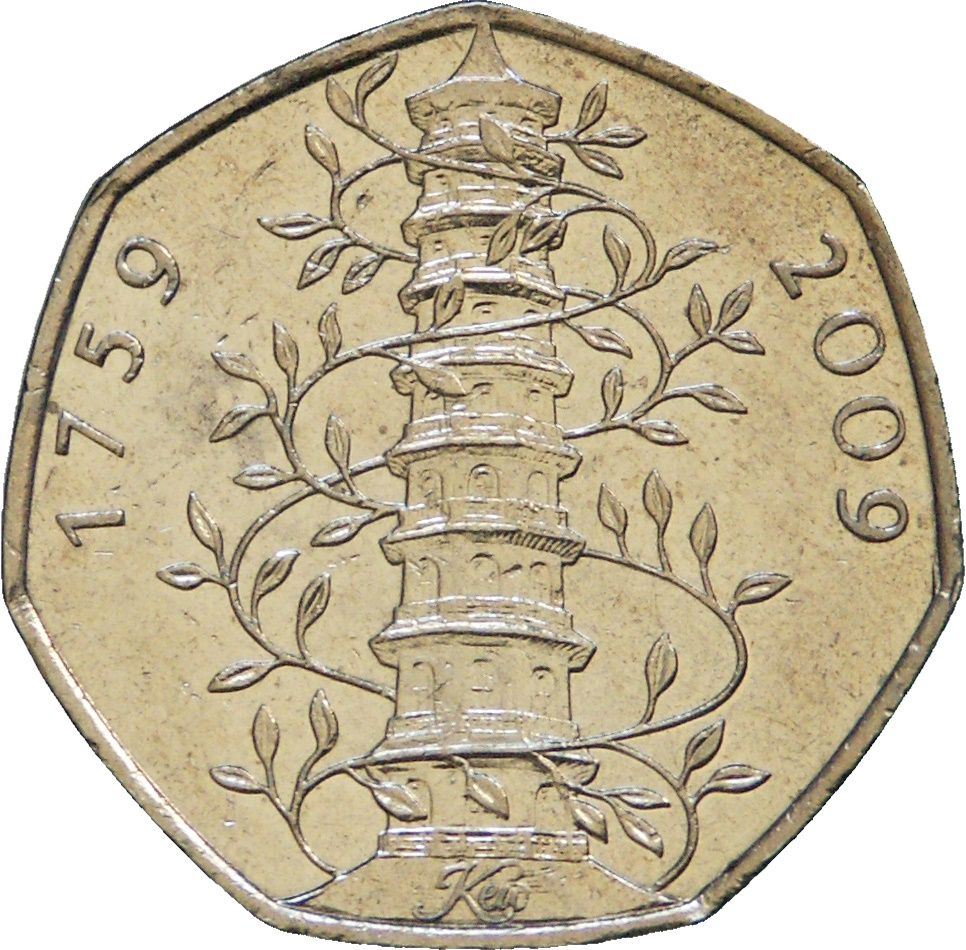
Mintage is the number of coins struck of a particular date and type, but it's not the same as rarity. A coin with a mintage of 210,000 like the Kew Gardens 50p is "low mintage" by modern standards; a coin with 7 known survivors like the 1933 penny is "truly rare". Mintage sets the ceiling; survival rate and demand set the price.
TL;DR
- Mintage = total struck; survival rate = how many still exist
- Low mintage doesn't always equal high value, demand matters
- Pre-decimal UK mintages are estimates for many dates; decimal are exact
- Hoarded coins (silver pre-1920) often survive in larger numbers than mintage suggests
- Four factors drive rarity: mintage, survival, demand, condition census
Table of contents
- Mintage vs rarity
- Why survival rate matters
- UK low-mintage circulating coins
- Mintage table for key modern 50p coins
- Truly rare UK coins
- How MyCoinage tracks rarity
- Common questions
- FAQ
Mintage vs rarity
Mintage is a supply figure. Rarity is supply minus the coins that were melted, lost, damaged or are otherwise unavailable to collectors. Then you multiply by demand.
A coin with a mintage of 10 million and a 90% survival rate and low demand, that's a common coin. A coin with a mintage of 1 million but a 1% survival rate and high demand, that's genuinely rare.
The Royal Mint publishes decimal mintages precisely (strike count). Pre-decimal figures come from Royal Mint reports and academic estimates, with some years uncertain to within 5-10%.
Why survival rate matters
Several factors destroy coins at different rates:
- Melt events, WWI bronze drive; the 1920 silver debasement (pre-1920 sterling silver commanded a premium and was melted in enormous quantities); the 1947 50%-silver-to-cupronickel transition
- Everyday wear, circulation pennies often survive but with heavy wear, dropping high-grade availability
- Cleaning and damage, UK coins historically took a beating from Brasso enthusiasts
- Hoarding, silver threepences and sovereigns were widely tucked away; bronze pennies less so
- Recoinage, Victorian recoinage in 1887 melted huge quantities of earlier issues
A 1920 florin with a mintage of 15 million might have a 5% survival rate in collectable grade; a 1920 sovereign with a mintage of 591,000 might have a 40% survival because collectors hoarded gold.
UK low-mintage circulating coins
The lowest-mintage decimal UK coins in circulation history:
- 2009 Kew Gardens 50p, 210,000
- 2011 Olympic Football 50p, 1,125,500
- 2011 Olympic Wrestling 50p, 1,129,500
- 2011 Olympic Judo 50p, 1,161,500
- 2011 Olympic Triathlon 50p, 1,163,500
- 2014 WWI Outbreak £2 (Kitchener), 5,720,000
For full coverage of 50p and £2 rarities see our guides on 50p coin values, £2 coin values and £1 coin values.
Mintage table for key modern 50p coins
| Year | Design | Mintage | Typical price (UNC) |
|---|---|---|---|
| 2009 | Kew Gardens | 210,000 | £200-£300 |
| 2011 | Olympic Football | 1,125,500 | £20-£45 |
| 2011 | Olympic Wrestling | 1,129,500 | £15-£30 |
| 2011 | Olympic Judo | 1,161,500 | £15-£25 |
| 2011 | Olympic Triathlon | 1,163,500 | £12-£20 |
| 2012 | Olympic reverse set | various | , |
| 2017 | Sir Isaac Newton | 1,801,500 | £5-£10 |
| 2018 | Paddington Station | 5,001,000 | £3-£8 |
| 2018 | Peter Rabbit | 1,400,000 | £5-£15 |
| 2019 | Sherlock Holmes | 8,602,500 | £2-£5 |
| 2020 | Withdrawal from EU | 10,001,000 | £2-£4 |
| 2022 | Queen Elizabeth II memorial | , (BU only) | BU only |
Truly rare UK coins
Coins where the rarity comes from catastrophic survival rates, not just mintage:
- 1933 penny, 7 known; £70,000-£120,000, see 1933 penny value
- 1952 crown, proof-only; 1 known; £60,000+
- 1954 penny, trial strike; 1 known; £70,000+
- Edward VIII coins (all denominations), never circulated; £10,000-£500,000
- 1937 crown proof, small mintage in coronation set; £150-£400
- 1983 "New Pence" 2p, ~500-1,000 known; £500-£2,500
How MyCoinage tracks rarity
Our rarity score combines four factors for every coin:
- Mintage, adjusted for year and denomination
- Survival estimate, based on census data and auction appearance rates
- Condition census, how many exist in each grade band
- Demand signal, auction volume and average bids per listing
The weekly rarity recalculation re-runs these factors against the latest auction data from Spink, Baldwin's, Noonans and eBay. Coins then slot into bands: Common / Scarce / Rare / Very Rare / Extremely Rare / Unique.
Browse the full catalogue sorted by rarity, or check specific series on the explore page. If you're filling a series, see what makes a coin rare? for more on the underlying logic.
Common questions
Is low mintage the same as rare?
No. Mintage is total struck; rarity accounts for survival and demand. The 2011 Olympic Wrestling 50p has 1.1 million mintage, low by modern standards but not "rare" because most still exist in good condition and demand is moderate.
Why are some 19th-century mintages uncertain?
Royal Mint record-keeping was less rigorous before 1870. Figures for some Victorian dates are reconstructed from partial records and numismatic census data rather than primary mint ledgers.
Does the Royal Mint control mintage announcements?
Yes, mintage figures are released by the Royal Mint via press releases and annual reports. Figures are usually confirmed within 12 months of issue.
Can mintages be revised upwards?
Rarely. In 2014 the Royal Mint revised some 2011 Olympic 50p mintages upward slightly as late strikes were accounted for. Revisions downward are almost unheard of.
FAQ
Q: What is the lowest-mintage UK coin?
A: For circulation, the 2009 Kew Gardens 50p at 210,000. For non-circulation, many patterns and trial strikes have mintages of 1-10.
Q: How many 1933 pennies were actually struck?
A: The exact figure isn't documented. Seven are publicly known; some numismatists believe 10-15 were originally produced for ceremonial purposes.
Q: Does the Royal Mint destroy unsold coins?
A: Yes, unsold stock is periodically melted and the metal recycled into new blanks. This can make mintage figures slightly higher than the number actually released.
Q: Where can I see live rarity data?
A: The catalogue updates rarity scores weekly based on fresh auction data. Individual coin pages show current rarity band and historical auction prices.
Q: How does rarity affect insurance value?
A: Higher rarity supports a higher agreed value on specialist policies. See coin collection insurance UK for documentation best practice.