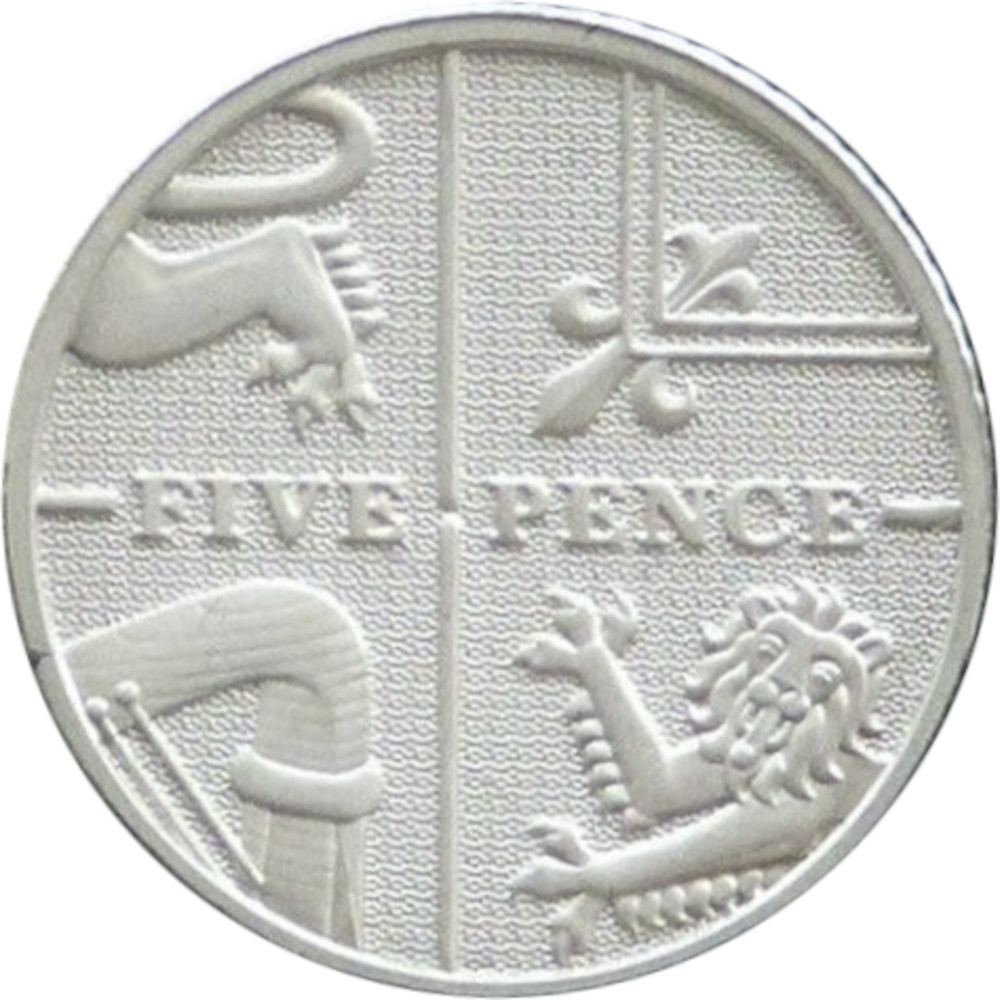
Modern UK coins (post-1947) contain zero silver. Pre-1947 coins contain 50% silver. Pre-1920 are 92.5% sterling silver. Knowing the difference matters because sterling is worth ~£0.50 per gram in melt value, a £5 coin can easily be worth £30 in metal. Here are five tests to identify silver coinage.
Test 1: The date rule
The single most reliable indicator is the year:
- Pre-1920: 92.5% sterling silver (925 fine). Applies to all half-crowns, florins, shillings and sixpences of George V, Edward VII, Victoria and earlier.
- 1920–1946: 50% silver / 50% copper-zinc alloy. Same denominations.
- 1947 and later: Zero silver, 75% cupronickel alloy. Despite looking silver, there's none in the coin.
So: 1946 shilling = silver. 1947 shilling = no silver. Same for all decimal-era "silver-coloured" coins, 5p, 10p, 50p are all cupronickel.
Test 2: The magnet test
Silver is not magnetic. Iron-plated fakes are. Hold a strong magnet near the coin, if there's any attraction, the coin contains iron/steel and is either a fake or (rarely) a steel-cored cupronickel.
This test rules out fakes but doesn't confirm silver, cupronickel isn't magnetic either.
Test 3: The weight test
Silver has a specific gravity of ~10.5, vs cupronickel's ~8.9. For a given coin size, silver is ~18% heavier. Compare against the Royal Mint's official specifications:
- Pre-1947 shilling: 5.66g (silver)
- Post-1947 shilling: 5.66g (cupronickel), same weight because the redesign kept mass constant for vending-machine compatibility
- 1920 florin: 11.31g (silver)
- 1947 florin: 11.31g (cupronickel), same
Weight alone isn't definitive for the UK cupronickel/silver pair, the Royal Mint deliberately matched mass. But for non-matching denominations (American, Canadian, Australian), weight does tell you.
Test 4: The sound test
Silver coins make a distinctive high-pitched ring when struck, cupronickel produces a duller thud. Drop a suspect coin 10cm onto a hard wood surface and listen. This is surprisingly reliable once you've heard both tones a few times.
Test 5: The acid test (last resort)
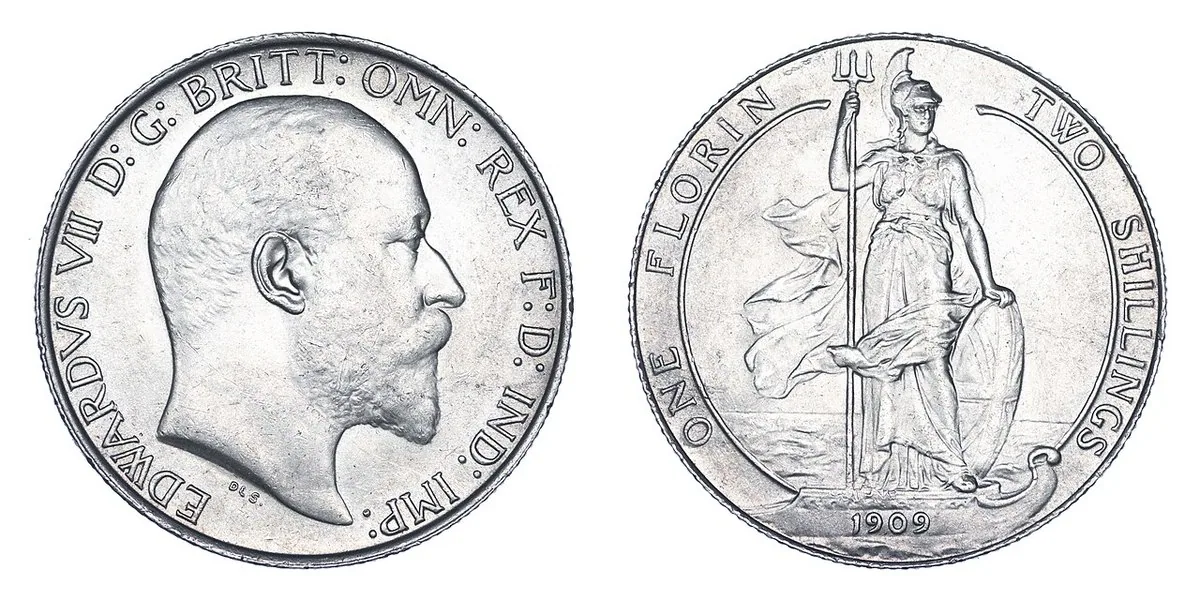
Silver-testing acid kits (£8 from jewellery suppliers) contain a nitric acid solution. Rub the coin on a test stone, apply a drop of acid to the streak, silver streaks stay grey, copper-based alloys turn green or brown.
Only do this on a low-value coin you're willing to damage. Even a trace of acid residue can tone a coin permanently. Never acid-test a Victorian piece or anything above £10 value.
What about modern silver proofs?
The Royal Mint still issues silver-proof versions of £2, £5, 50p and other commemoratives, typically .925 sterling. These come in sealed capsules with certificates, authentication is straightforward.
What to do when you find silver
A 1920–1946 shilling in VF grade is worth roughly its 50% silver melt, £1.50 at current spot. A pre-1920 (92.5%) shilling: £3–£4 melt. But collector grades can be worth 2–5× melt, so check numismatic value before scrapping.
Browse our UK silver coin catalogue for grade-specific values.