Rare UK Banknote Serial Numbers: Which Notes Are Worth Money
The number printed on a banknote can be worth more than the note. At the Bank of England’s own charity auctions, a polymer £5 with serial AA01 000017 made £4,150, a £10 numbered AA01 000010 made £7,200, and the 2024 King Charles III first-run sales raised £914,127. Away from the auction room the premiums are smaller but real — and the traps (asking prices, viral prefixes) catch people weekly. This guide covers exactly which serial numbers matter, what they genuinely sell for, and how to check the notes in your wallet in a minute.
The serial-number hierarchy
| Serial type | Example | Typical realised value |
|---|---|---|
| First-run, single/double-digit number | AA01 000002 | £1,000 – £17,000 (auction) |
| Serial under 000100 | AA01 000063 | £50 – £500+ |
| Solid number | AB12 888888 | £50 – £150 |
| Ladder | CD34 123456 | £30 – £100 |
| Radar (palindrome) | EF56 123321 | £20 – £60 |
| Ordinary AA01 prefix, crisp | AA01 447291 | £10 – £40 |
| Birth year / date | GH78 191453 | £10 – £30 to the right buyer |
| Everything else | — | Face value |
Ranges reflect eBay UK sold listings and published Bank of England auction results — never asking prices. Condition is half the equation: a folded note loses most of its premium regardless of serial.
AA01: why first-run notes carry the premium
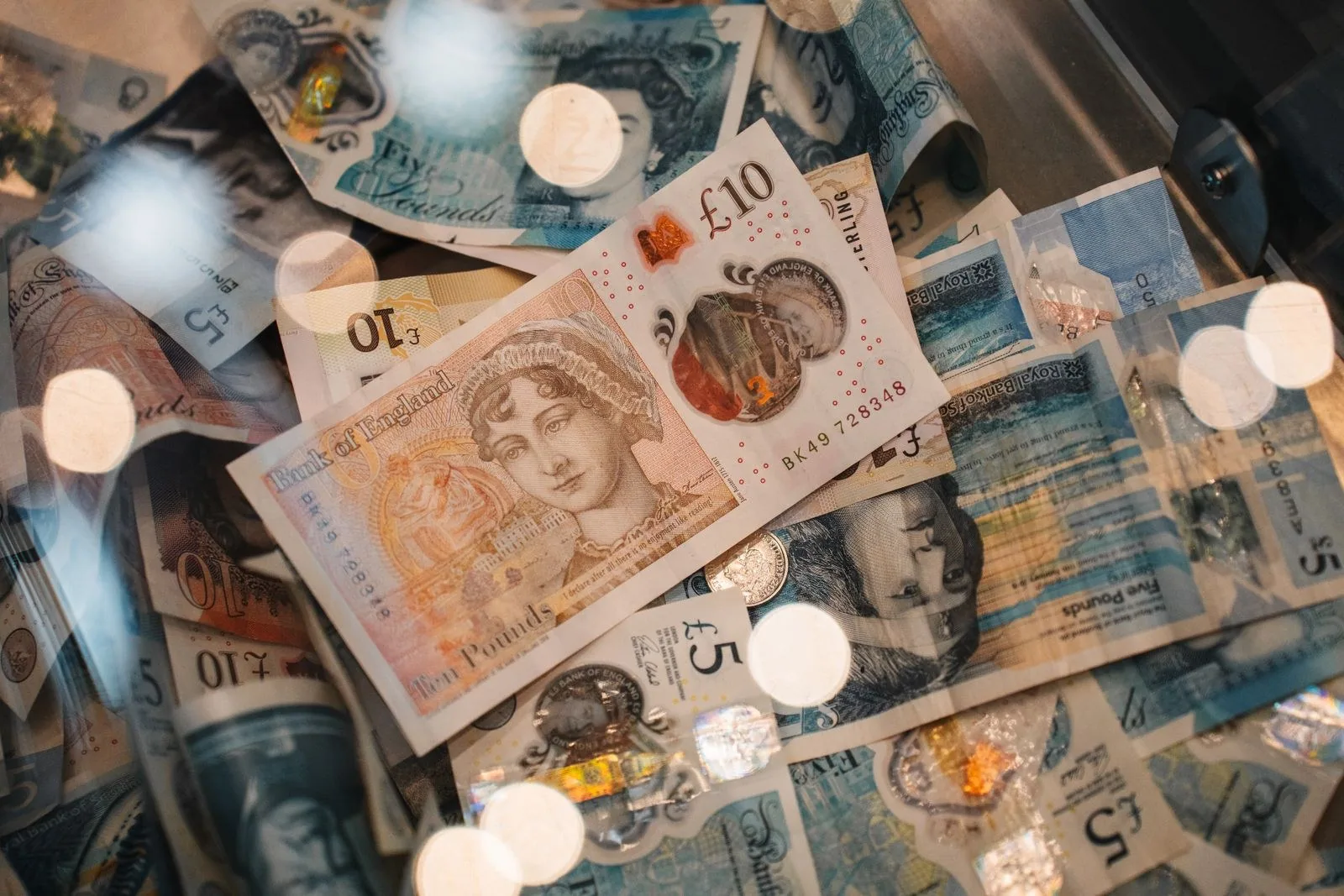
Each new note design starts printing at prefix AA01, serial 000001 — and by tradition the very lowest serials never reach circulation. Number 000001 of each design goes to the monarch; other single-digit notes go to institutions or the Bank of England’s charity auctions, run by Spink, where the results set the public benchmarks: £4,150 for the first-auctioned polymer £5 (AA01 000017, 2016), £7,200 for £10 AA01 000010 (2017), £820 for £50 AA01 000888 — the lucky-eights premium is real, driven by collectors in Asia — and at the 2024 King Charles III sales, £17,000 for a £10 numbered HB01 000002, part of £914,127 raised across the series.
The AA01 notes that do reach circulation — with ordinary six-digit serials — are the realistic find. Crisp examples trade at 2–10× face value; circulated ones at small premiums. Every denomination has one first prefix per design, so a wallet check costs nothing.
King Charles III notes: the 2024 changeover
Charles III notes entered circulation on 5 June 2024 — same polymer designs as the Elizabeth II series (Churchill £5, Austen £10, Turner £20, Turing £50), new portrait. Both monarchs’ notes circulate side by side and both remain legal tender, exactly as with the coinage changeover. Ordinary circulated Charles notes are worth face value; the collectable layer is first-prefix and low-serial material, plus crisp uncirculated notes put aside now — the cheapest “first of a reign” collectable there is.
Every current Bank of England note: what to check
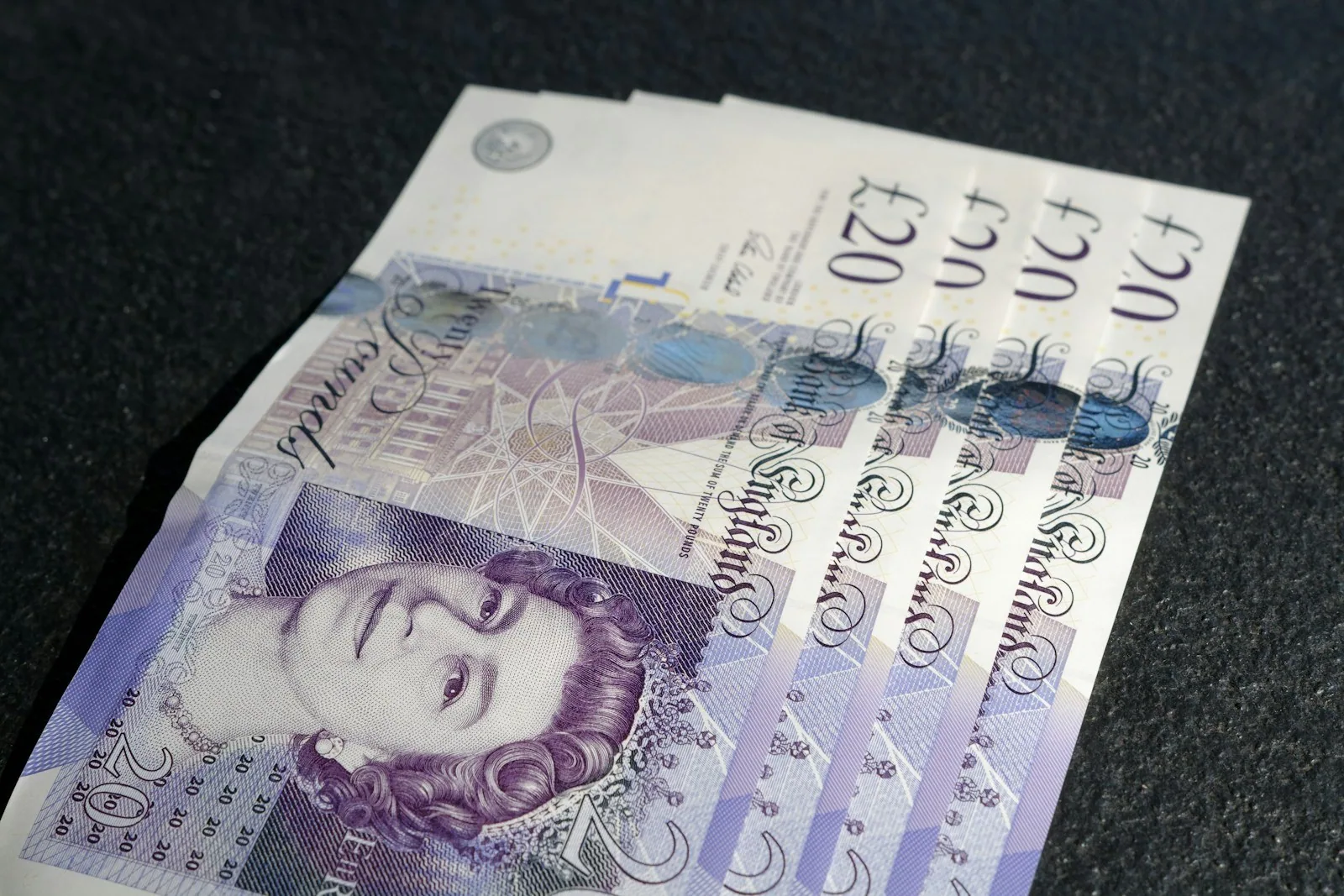
| Note | Design | Polymer since | What to look for |
|---|---|---|---|
| £5 | Winston Churchill | Sep 2016 | AA01 prefix; the 2016 first print run; Charles III portrait from Jun 2024 |
| £10 | Jane Austen | Sep 2017 | AA01 prefix; low serials; Austen launch-year notes kept crisp |
| £20 | J.M.W. Turner | Feb 2020 | AA01 prefix; lockdown-era first runs saw fewer kept aside than usual |
| £50 | Alan Turing | Jun 2021 | AA01 prefix; the least-handled denomination, so crisp examples are common — serials matter more than condition here |
Paper predecessors of all four were withdrawn by 30 September 2022 but remain exchangeable at the Bank of England indefinitely.
Dating a paper note: the Chief Cashier signature
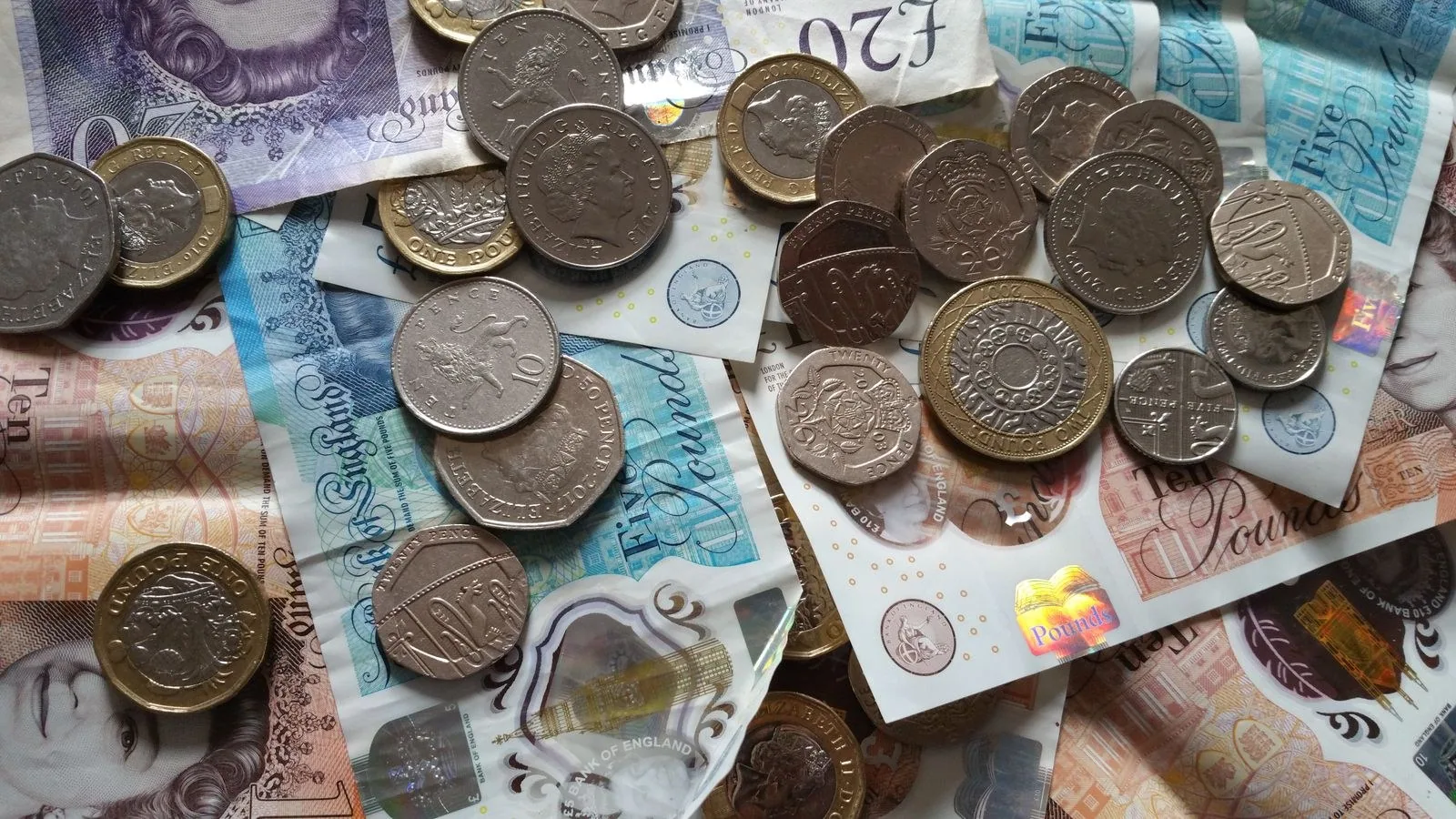
Every Bank of England note carries the Chief Cashier’s printed signature, which dates paper notes to a few years without any other reference — the first thing a dealer checks on an old note:
| Chief Cashier | Signature years | Era notes |
|---|---|---|
| P. S. Beale | 1949–1955 | White fivers — the premium signatures |
| L. K. O’Brien | 1955–1962 | Last white fivers, first Series C |
| J. Q. Hollom | 1962–1966 | Series C |
| J. S. Fforde | 1966–1970 | Series C, first £20 planning |
| J. B. Page | 1970–1980 | Pictorial Series D launch |
| D. H. F. Somerset | 1980–1988 | Series D, last £1 notes (withdrawn 1988) |
| G. M. Gill | 1988–1991 | Series E launch |
| G. E. A. Kentfield | 1991–1998 | Series E |
| Merlyn Lowther | 1999–2003 | First female Chief Cashier — collected for that reason |
| Andrew Bailey | 2004–2011 | Series F; now Governor, which adds novelty appeal |
| Chris Salmon | 2011–2014 | Late paper era |
| Victoria Cleland | 2014–2018 | First polymer £5 and £10 |
| Sarah John | 2018–present | Polymer £20, £50 and the Charles III changeover |
The asking-price trap: AK47 fivers and viral serials
In 2016 the new polymer £5’s AK47 prefix went viral — listings asked thousands, newspapers repeated the listings, and almost nothing sold at those prices. Genuine sold prices for crisp AK47 fivers peaked around £20–£80 and fell as the craze passed. The same cycle has repeated with every “check your fiver” story since. The rule that protects you — the same rule we apply to every coin price on this site: only sold listings count. On eBay, filter to Sold + Completed and sort by most recent before believing any figure, including ours.
Old and withdrawn notes: the face-value floor
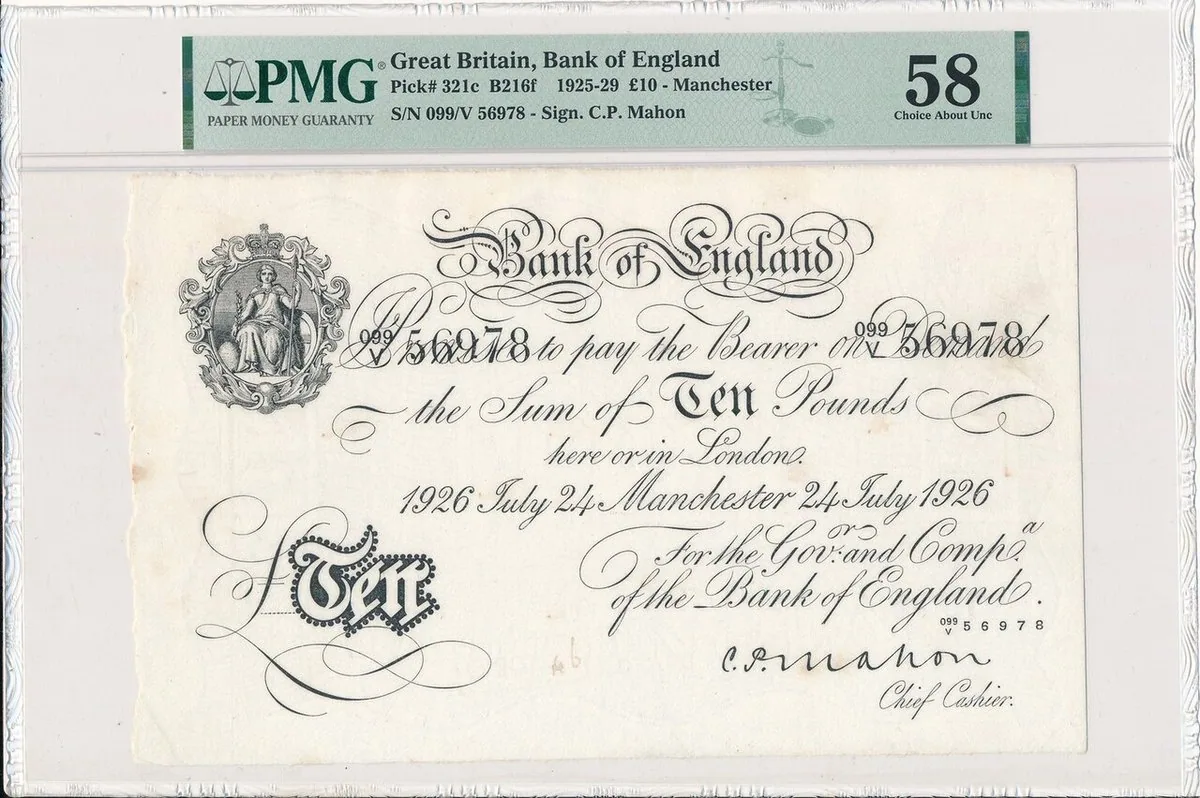
Unlike demonetised coins, Bank of England notes never lose face value: the Bank exchanges any withdrawn note, from paper £20s back to white fivers, by post or at Threadneedle Street, with no deadline. That floor means an old note is never worthless — the question is only whether collector value exceeds it. Broadly: pre-decimal era notes (white fivers, Series A–B) and crisp early examples of any design carry real premiums; well-circulated 1970s–90s notes are worth a pound or two over face; and the paper £5/£10/£20/£50 withdrawn in 2018–2022 are common in the quantities people kept them. Condition dominates: collectors grade notes like coins, and “uncirculated” paper — never folded — is where the money is.
Check your notes: the one-minute routine
- Read the prefix. AA01 on any denomination is the flag; for Charles notes, early prefixes generally.
- Read the number. Under 000100? A pattern (solid, ladder, radar)? A year that means something?
- Check both serials match. A genuine mismatch is a printing error worth specialist attention.
- Judge condition honestly. Folds, tears and pen marks cost more than age.
- Verify against sold listings before celebrating — asking prices lie.
Frequently asked questions
Which banknote serial numbers are worth money?
How much is an AA01 note worth?
Are King Charles III banknotes valuable?
What is the AK47 £5 note story?
Are old paper banknotes worth anything?
Where do I sell a rare banknote?
How do I check my banknotes?
Do Scottish and Northern Irish banknotes follow the same rules?
Do banknote errors exist like coin errors?
Further reading
- Bank of England: how much is a banknote worth?, the official position on face value and exchange.
- Bank of England: the 2024 King Charles III note auctions, source for the £914,127 and £17,000 figures.
- Where to sell rare coins (and notes) UK, venue and commission comparison.
- Coin value checker, for the coins side of your change.
- Rarest UK coins list, the companion hunt.