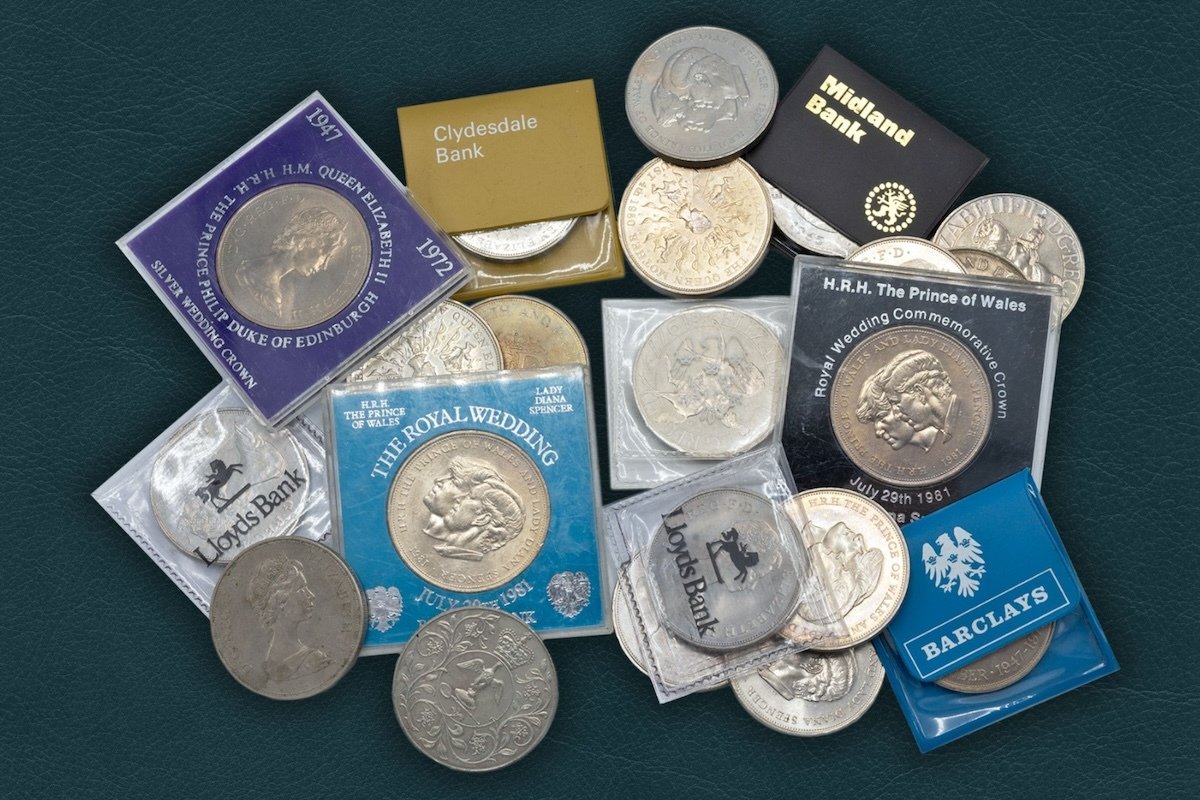
<p>"Should I buy 50ps as an investment?" is the most common question we get. The honest answer is: most aren't, a few are, and treating them as pure financial instruments leads to disappointment. Here's the nuanced picture.</p>
<h2>The reality: most commemoratives are bad investments</h2>
<p>When the Royal Mint sells you a £10 brilliant-uncirculated 50p in a presentation pack, you're paying a ~20× multiple over face value from day one. Resale value two years later is typically <strong>£6–£9</strong>. Loss of 10–40% inclusive of fees. This is true of 80%+ of modern commemorative issues.</p>
<p>Even dramatic price appreciation is usually from specific scarcity events, not broad commemorative-coin demand. The 2009 Kew Gardens 50p's rise from £50 to £200+ over a decade is an outlier, driven by its unique 210,000 mintage, not a general rule for 50ps.</p>
<h2>What actually appreciates</h2>
<ul>
<li><strong>Sub-1.5-million-mintage circulating coins.</strong> Kew Gardens (210k), Olympic Wrestling (1.13m), Olympic Football (1.16m), 2018 Peter Rabbit (1.4m). These are genuinely scarce.</li>
<li><strong>Silver proof Piedforts with mintages under 5,000.</strong> Annual releases often limited to 2,500–4,500 pieces. Appreciation rates: 3–8% per year with occasional jumps on character popularity.</li>
<li><strong>First-year-of-reign commemoratives.</strong> Queen Elizabeth II 1953 Coronation silver proofs, Charles III 2022 memorial 50ps, first-year-of-a-new-monarch issues are historically sought after.</li>
<li><strong>Gold coins.</strong> Not just sovereigns, gold-proof commemoratives with mintages under 500 hold their bullion floor plus a numismatic premium.</li>
</ul>
<h2>What doesn't appreciate (despite marketing)</h2>
<ul>
<li><strong>High-mintage BU commemoratives</strong>, anything issued in 5m+ circulation. The Paddington at St Paul's 50p (9m mintage) trades at £5–£8 and has done for years.</li>
<li><strong>Coloured variant coins</strong>, the printed-colour Harry Potter 50ps and Paddington coins look appealing but are sold at retail (£60+) barely below their secondary market price.</li>
<li><strong>"Limited edition" anything sold at gift-shop prices</strong>, if the Royal Mint is selling it directly at launch, you're paying retail; expect a 10–30% haircut on resale.</li>
</ul>
<h2>The realistic approach</h2>
<p>Treat commemorative coins as a <strong>collectible that might appreciate</strong>, not an investment portfolio. Our advice to serious collectors:</p>
<ol>
<li><strong>70% for enjoyment</strong>, coins you like, regardless of price trajectory.</li>
<li><strong>20% on known winners</strong>, sub-1.5m circulating, Silver Piedforts, well-documented rarities.</li>
<li><strong>10% on sovereigns or bullion Britannias</strong>, as an inflation hedge with guaranteed floor value.</li>
</ol>
<h2>What returns can you realistically expect?</h2>
<p>Based on MyCoinage verified sales data:</p>
<ul>
<li>Broad modern UK commemorative basket: <strong>~0% to 2% per year</strong> (barely beats inflation).</li>
<li>Top-decile rarities (Kew Gardens, Olympic Wrestling): <strong>8–15% per year</strong> over the past 5 years.</li>
<li>Gold sovereigns (CGT-exempt): <strong>gold spot performance + 1–2%</strong>.</li>
<li>Rare pre-decimal (1933 penny, Gothic crown): <strong>15–25% per year</strong> but tiny market.</li>
</ul>
<p>Collectibles are also illiquid, selling takes weeks to months. Factor that in when sizing allocations.</p>
<p>See specific performance data in our <a href="/guides/rare-uk-coins-list">rare UK coins list</a>.</p>
Are UK Commemorative Coins a Good Investment?
👤
Editor, MyCoinage
·
Published 17 May 2026