Track your first 25 coins free.
Catalogue your coins against live realised auction prices, no card needed. Pro (£1.49/month) adds unlimited tracking, full price history and alerts.
Sign up →
Reference
Is My £1 Coin Rare? The 3-Step Check (2026)
The UK has issued £1 coins in two physical formats over the past 40 years.
The round £1 (1983-2016) ran for 33 years across 30+ reverse designs and was demonetised in
October 2017. The 12-sided bimetallic £1 took over from March 2017. Three checks tell you
whether your £1 is a face-value common or a genuine keeper.
Quick answer. The rarest UK £1 in circulation is the
2011 City of Edinburgh round £1 with a circulating mintage of just 935,000.
The four 2010-2011 Capital Cities round £1s (Edinburgh, Cardiff, London, Belfast) are the
bigger-money round £1 keepers. The 2008-2016 Royal Arms / Royal Shield series, the four-nation
series (1984-2007), and the 12-sided £1 are mostly common. The biggest-money £1 coins
are silver proof piedforts and authentication-graded mint-state Capital Cities at
auction-house prices.
1
Round or 12-sided?
UK £1 coins come in two distinct formats. Identification is immediate by shape:
Format
Years
Specs
Status
Round (single-metal)
1983–2016
22.5 mm, 9.5 g, nickel-brass
Demonetised 15 Oct 2017
12-sided (bimetallic)
March 2017–present
23.43 mm, 8.75 g, gold-coloured outer + silver-coloured inner
Legal tender
If your coin is round, it is no longer legal tender but freely tradable as a
collectable. The round £1 ran from 21 April 1983 (designed by Eric Sewell to replace the
£1 banknote) until production wound down in 2016. The 12-sided successor was introduced on
28 March 2017 and is the only £1 coin currently in circulation.
Demonetisation context. The Royal Mint estimated approximately 3% of the round
£1 in circulation were counterfeits by 2014, which is why the 12-sided successor was given
unprecedented security: bimetallic construction, a hologram-like latent image, and microscopic
lettering. The round £1 was demonetised partly to flush counterfeits out of circulation.
2
Check the reverse design
For round £1 coins the reverse cycled through major series. The eight designs below
account for almost all round £1s worth more than face value.
Design
Year
Mintage
Why it matters
City of Edinburgh
2011
935,000
Rarest round £1 ever struck
City of Cardiff
2011
1,615,000
Second-rarest round £1
City of London
2010
2,635,000
Capital Cities series
City of Belfast
2010
6,205,000
Capital Cities series
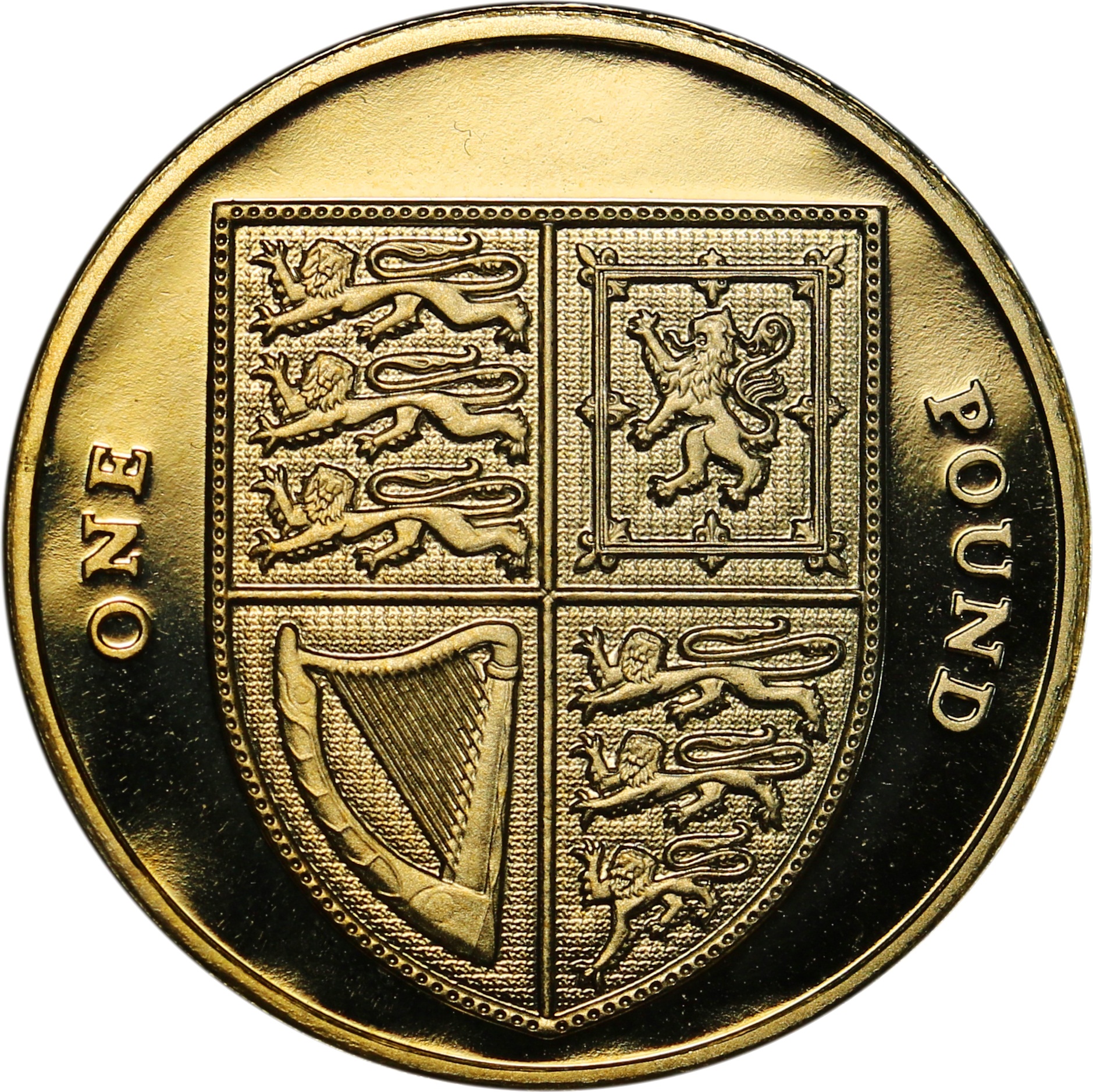
Royal Arms (Matthew Dent)
2008
3,910,000
Last reverse change of round £1
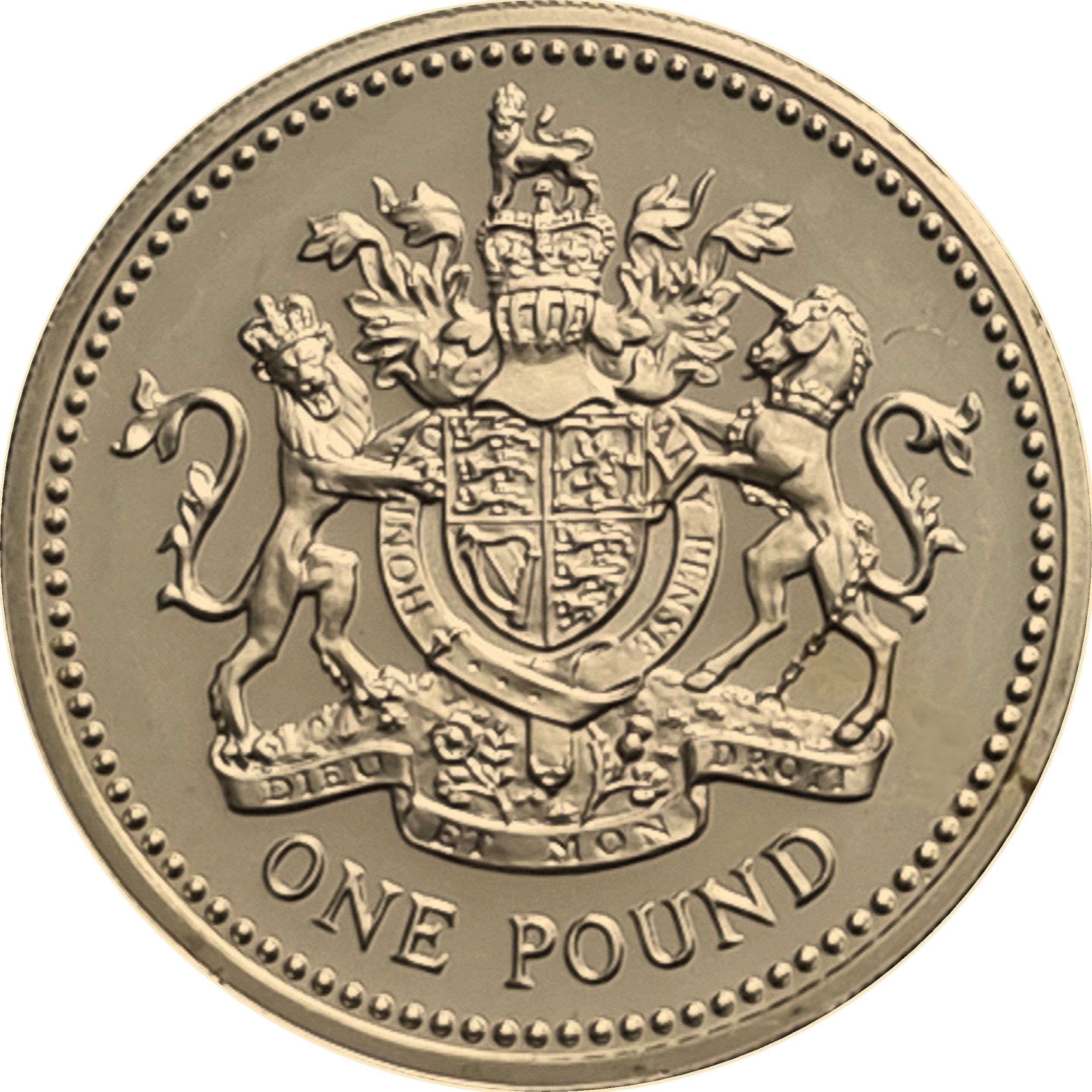
Royal Arms (Sewell)
1983
443,053,510
First £1 coin issued; common
Floral Crown of Northern Ireland
2014
5,490,000
2013-2017 floral set, four-coin completion
Heraldic Beasts pair
2016
~3.7 m each
Final round £1 designs before demonetisation
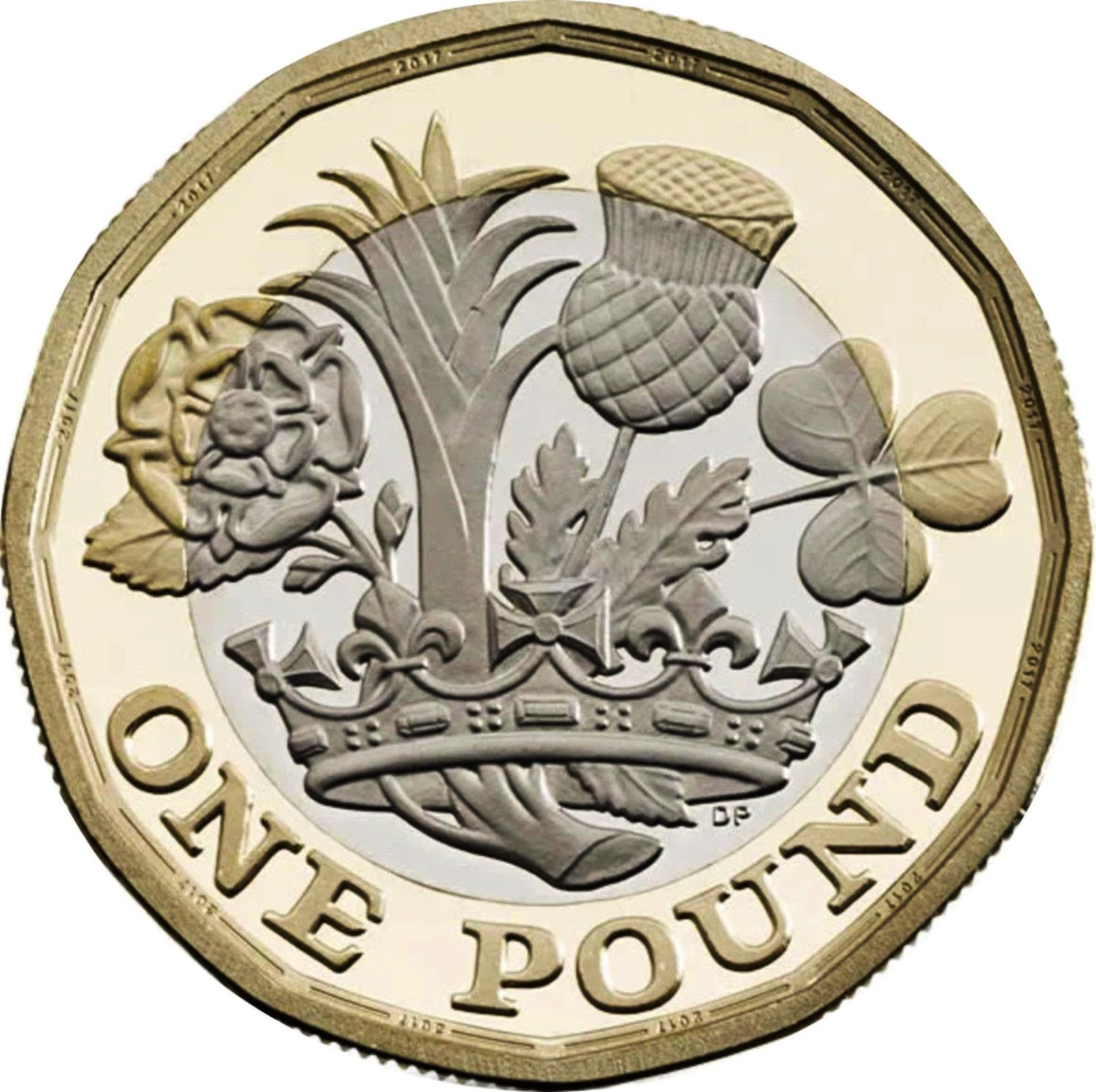
For the 12-sided £1 the reverse choices are simpler. The standard 2017-onwards Royal
Coat of Arms design (designed by David Pearce, age 15 at time of competition) ran on every
circulating 12-sided £1 from 2017 until the new 2024 Bee £1 Charles III
definitive replaced it. Both are common in change.
3
Look up the mintage
Mintage is the cleanest scarcity signal. Use these brackets specific to £1 coins:
Under 1 million, rare. Only one round £1 design (2011 Edinburgh) qualifies.
1–3 million, scarce. The 2011 Cardiff and 2010 London Capital Cities sit here.
3–10 million, mid-tier. BU coins trade at £5-12; circulated at face value to £3.
10–50 million, common. Face value with a small premium for clean BU.
Over 50 million, very common. Face value, except for design appeal or known errors.
Search the MyCoinage catalogue for your coin's exact mintage and current realised auction prices:
The 12 round £1 designs most likely to be in change today, ranked by circulating mintage.
The top three are all under 3 million; everything else is mid-tier or common.
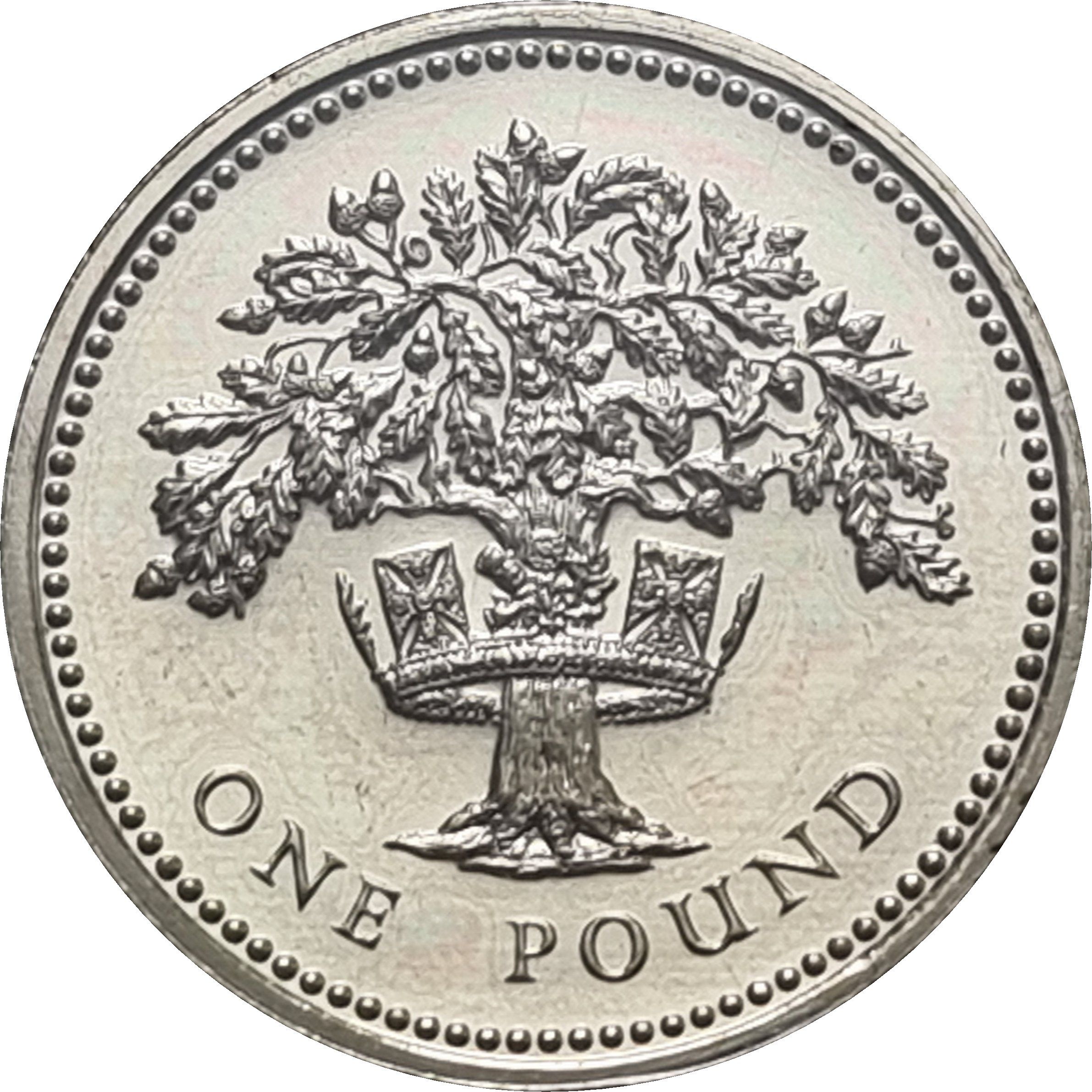
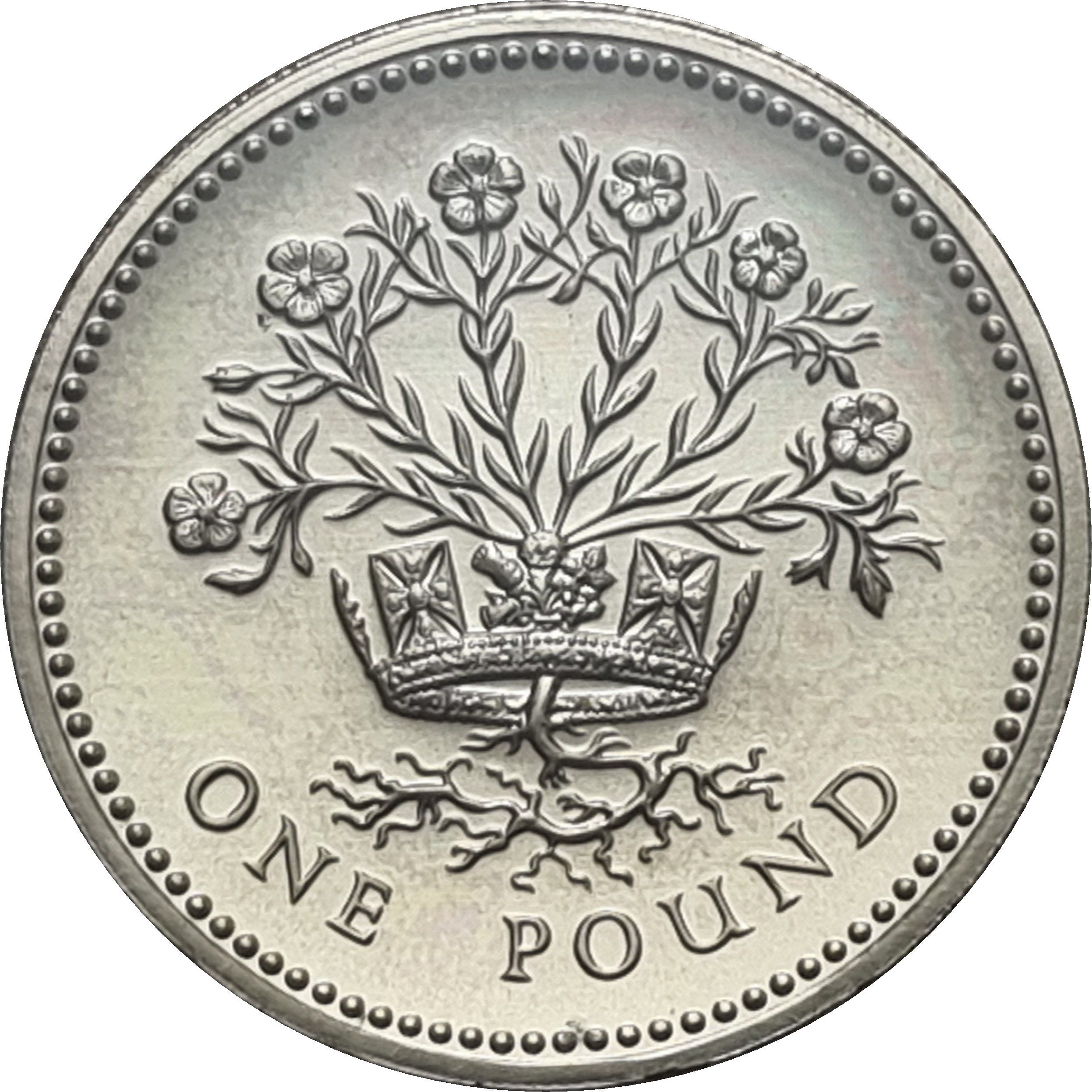
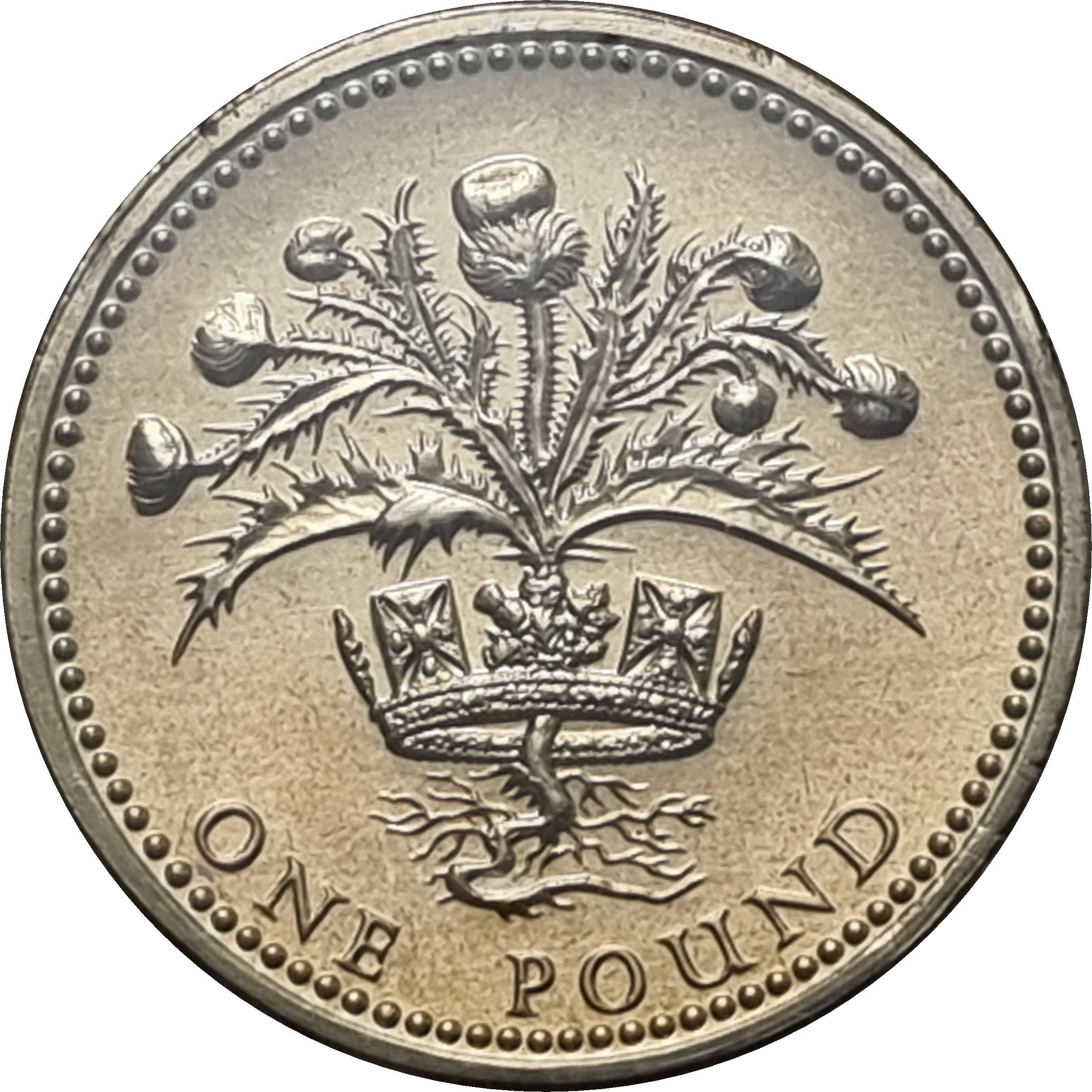
Three checks decide it. (1) Is your £1 round (single-metal nickel-brass, 22.5 mm) or 12-sided (bimetallic, 23.43 mm)? (2) What is the reverse design? Round £1 cycled through Royal Arms, Welsh, Scottish, Irish, English designs annually plus capital cities and floral series. (3) What is the published mintage? Round £1 mintages range from 935,000 (2011 City of Edinburgh, the rarest round £1) up to 200+ million for early Royal Arms designs. The 12-sided £1 (March 2017 onwards) had over 1.5 billion struck in its first year and most circulating examples are common.
What is the rarest £1 coin in circulation?
The 2011 City of Edinburgh round £1 with a circulating mintage of 935,000 is the rarest UK round £1 ever issued. It is part of the four-coin Capital Cities series (Edinburgh, Cardiff, London, Belfast) struck 2010-2011. Realised prices in 2026: £6-12 circulated, £18-32 in BU, £45-75 slabbed PCGS / NGC MS-65+. The round £1 was demonetised on 15 October 2017 but still trades freely as a collectable; banks no longer accept it but eBay and dealers do.
Are round £1 coins still legal tender?
No. The round £1 (1983-2016) was demonetised on 15 October 2017 when the new 12-sided £1 fully replaced it. Banks will no longer accept a round £1 over the counter; some banks offer goodwill exchange for accountholders but none are obligated. The coin remains collectable and trades freely on eBay, with dealers, and at auction. Demonetisation actually increased values for the rarer round £1s as remaining circulating examples were pulled from change; the 2011 Capital Cities series moved 30-50% upward post-demonetisation.
How can I tell if my 12-sided £1 is rare?
The standard 2017-onwards 12-sided £1 is one of the highest-mintage UK coins ever (over 1.5 billion in 2017 alone) and is rarely worth more than face value in circulated grade. Genuine value lies in: (1) the 2017 silver proof and silver proof piedfort variants from the inaugural year, (2) first-year-of-issue BU presentation packs, and (3) known striking errors (off-centre, brockage, missing security features) which trade four to five figures with proper authentication. The general circulation 12-sided £1 is, by mintage, one of the easiest UK coins to find.
What does the 2008 Royal Arms £1 look like?
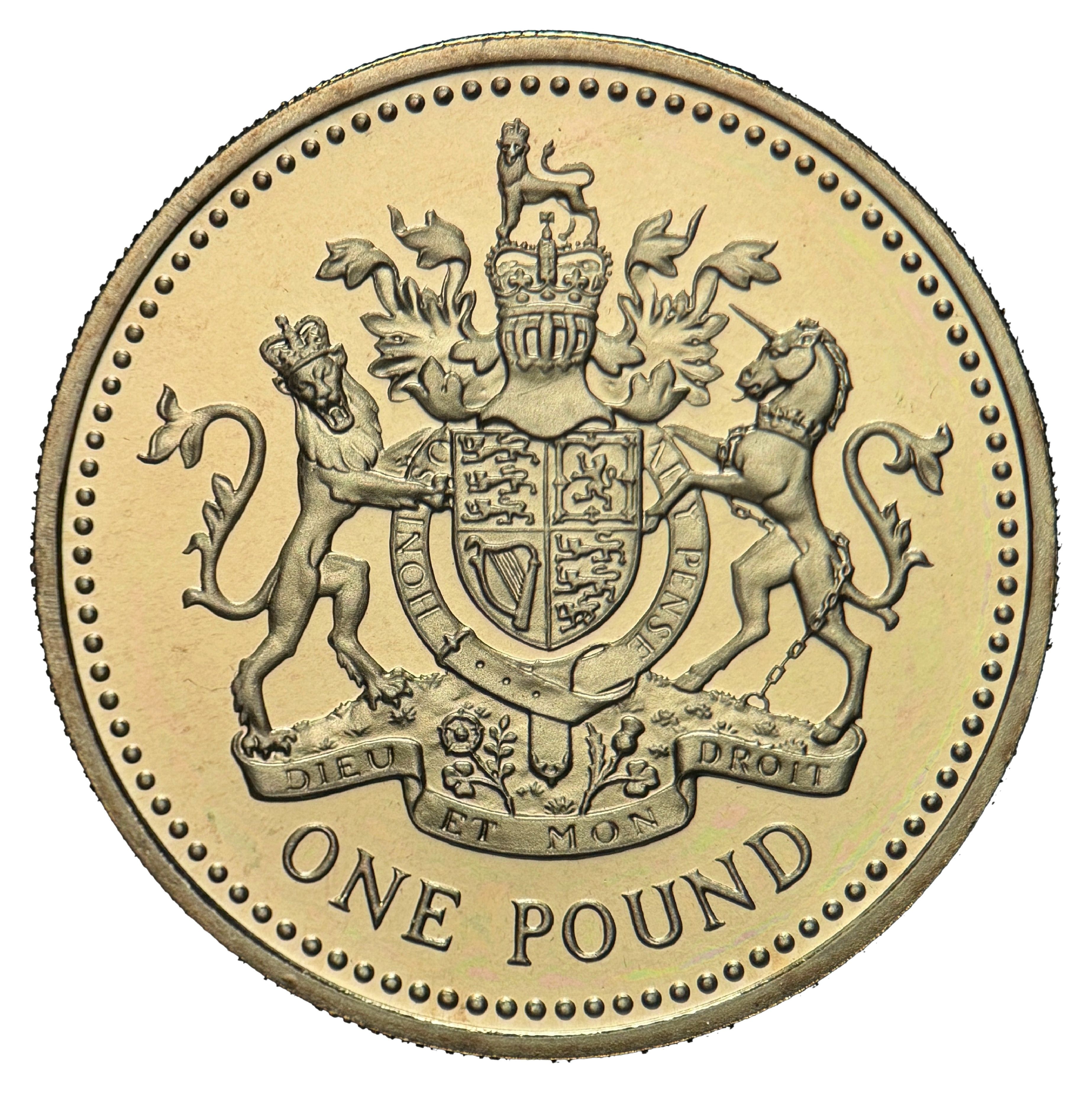
The 2008 Royal Arms is the final reverse design of the round £1, a heraldic arms shield by Matthew Dent (the same designer who created the 2008 Royal Shield 50p, 20p, 10p, 5p, 2p and 1p). Mintage for the round £1 with the Dent design was 3,910,000, making it scarce-tier. Realised prices: £3-6 circulated, £10-18 BU. The Royal Arms design was used 2008-2016 with various edge inscriptions; check the date on your coin to identify the specific year.
What is the dateless 20p mule? Wait, is there a dateless £1?
There is no widely-recognised "dateless £1" mule of the round £1 series. You may be thinking of the famous 2008 undated 20p mule, struck on the new Matthew Dent reverse die paired with the old obverse die, leaving the coin with no date showing. That mule trades at £50-150 depending on grade. For £1 errors, the documented variants involve obverse-reverse alignment errors and edge-inscription mistakes, not missing dates. See our 2008 20p mule guide for the famous undated coin.
Are the Capital Cities £1 coins rare?
Yes, all four are scarce, though only Edinburgh is genuinely rare. The mintages: 2011 City of Edinburgh 935,000 (rarest), 2011 City of Cardiff 1,615,000, 2010 City of London 2,635,000, 2010 City of Belfast 6,205,000. The Edinburgh and Cardiff coins are widely collected as a 4-coin set; complete BU sets in original Royal Mint folders sell for £90-150. Individual circulated examples: Edinburgh £6-12, Cardiff £3-6, London £2-4, Belfast face value to £3.
How do I authenticate a 12-sided £1?
Five checks catch most counterfeit 12-sided £1 coins. (1) Weight: 8.75 g ± 0.05 g. (2) Diameter: 23.43 mm flat-to-flat. (3) Bimetal: the inner cupronickel and outer nickel-brass are mechanically locked; counterfeits often use a single metal plated to look bimetallic. (4) Hologram-like image: tilt the coin and the £ symbol changes to a 1. Counterfeits typically lack this latent feature. (5) Micro-lettering: beneath the Queen's portrait there is microscopic text reading "ONE POUND" repeated. Visible only under a 10× loupe but always present on genuine coins. The Royal Mint estimated 3% of pre-2017 round £1s in circulation were counterfeit; the 12-sided design was introduced specifically to combat that. See how to spot a fake £1 coin for the full walkthrough.
How much is a 1983 £1 coin worth?
The 1983 Royal Arms £1 was the first-ever £1 coin issued for circulation (replacing the £1 banknote), designed by Eric Sewell. Mintage was 443,053,510, one of the highest in £1 history, so it is genuinely common. Worn examples are face value (and demonetised). BU coins in original Royal Mint folder sell for £5-12. Historically interesting as the first £1 coin and a "first-year-of-issue" milestone, but limited monetary value. The 1983 BU pack is a popular start-of-collection piece.
What about the trial / pattern £1 coins?
Several trial / pattern pieces exist outside the main £1 series and are not legal tender: design competition entries, mint trials, pattern strikes for proposed designs that never circulated. These trade in specialist auctions only (Spink, Baldwin's, Heritage), typically £500-5,000+ depending on rarity and provenance. They are not the regular £1 coins you would find in change. Provenance documentation from a recognised auction house is essential before paying serious money for any "trial £1".
Where should I sell a rare £1 coin?
Match the venue to the value. Under £30: eBay UK with sold-listings cross-check. £30-£200: eBay or a BNTA-registered specialist dealer (Change Checker, Coincraft). £200-£1,000: consider professional grading (PCGS / NGC / CGS UK) at £25-50 per coin, then list slabbed on eBay. £1,000+: consign to a UK auction house, Baldwin's, Spink, Noonans all handle modern £1 commemoratives and trial pieces.
Is the round £1 worth more than the 12-sided £1?
On average, yes, but only because round £1 includes the rare Capital Cities series (2010-2011) and finished its run in 2016 with no further production after demonetisation. The bulk of round £1 mintages are tens to hundreds of millions per year, common at face value. The 12-sided £1 is too new (2017+) to have generated a rare-issue tail in the same way; over 1.5 billion of the 2017 first-year version were struck. Both denominations have collectable proof and silver-proof variants worth meaningful sums.
What does the edge inscription on my £1 say?
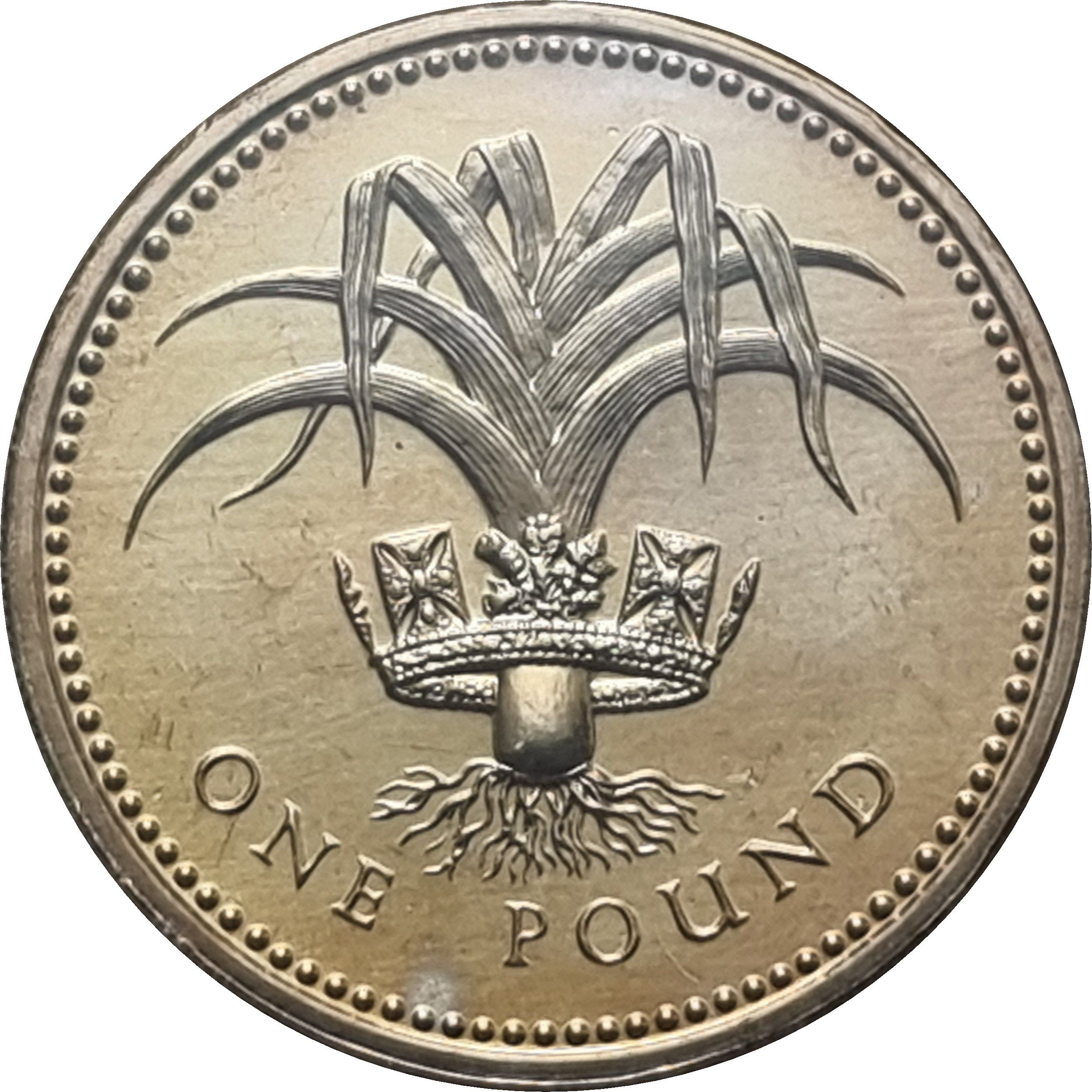
Round £1 coins carry rotating Latin or English edge legends keyed to the reverse design. The most common: DECUS ET TUTAMEN ("an ornament and a safeguard", the original Royal Arms motto, used 1983-2008). Also seen: NEMO ME IMPUNE LACESSIT (Scotland 1984/89/94/99), PLEIDIOL WYF I'M GWLAD (Wales), DOMINE DIRIGE NOS (London 2010), Y DDRAIG GOCH DDYRY CYCHWYN (Cardiff 2011). Wrong edge for the design = either a counterfeit, a known mule error, or a misidentified date. Specialist authentication is recommended before buying any "edge-error £1".
Further reading
Bee £1 coin value, the King Charles £1 and the rarity rumour, debunked with sold prices.
£1 coin values UK, full reference with every round and 12-sided £1 design.
Capital Cities £1 set, deep-dive on the four 2010-2011 coins (Edinburgh, Cardiff, London, Belfast).