What's the Best First Coin to Buy? UK Beginner Picks by Budget
The right first coin depends almost entirely on your budget and what kind of collection you want to build. This guide gives specific picks at every spending tier from under £20 to £500, with reasoning, where to buy and what pitfalls to dodge. By the end you'll have at least two concrete options you can buy today.
What "good first coin" actually means
A good first coin meets four criteria: it teaches you something useful about the hobby, it's liquid (you can sell it again without losing more than 10-15%), it's easy to authenticate, and it's a coin you'll actually enjoy owning. A £500 mediocre slab in a brand-new collector's drawer is a worse first coin than a £15 BU set that gets handled, studied and graded.
The wrong first coin is a coin chosen on someone else's recommendation that doesn't actually interest you. If the Tudor era pulls you in, your first coin should be Tudor; if pop culture grabs you, it should be a Music Legends or Harry Potter piece. The picks below are starting points, weight them against your own interest before buying.
Under £20, first-purchase tier
The cheapest tier and the right place to start. Goal: get a coin in hand, learn the unboxing, slot it into storage, and grade it yourself.
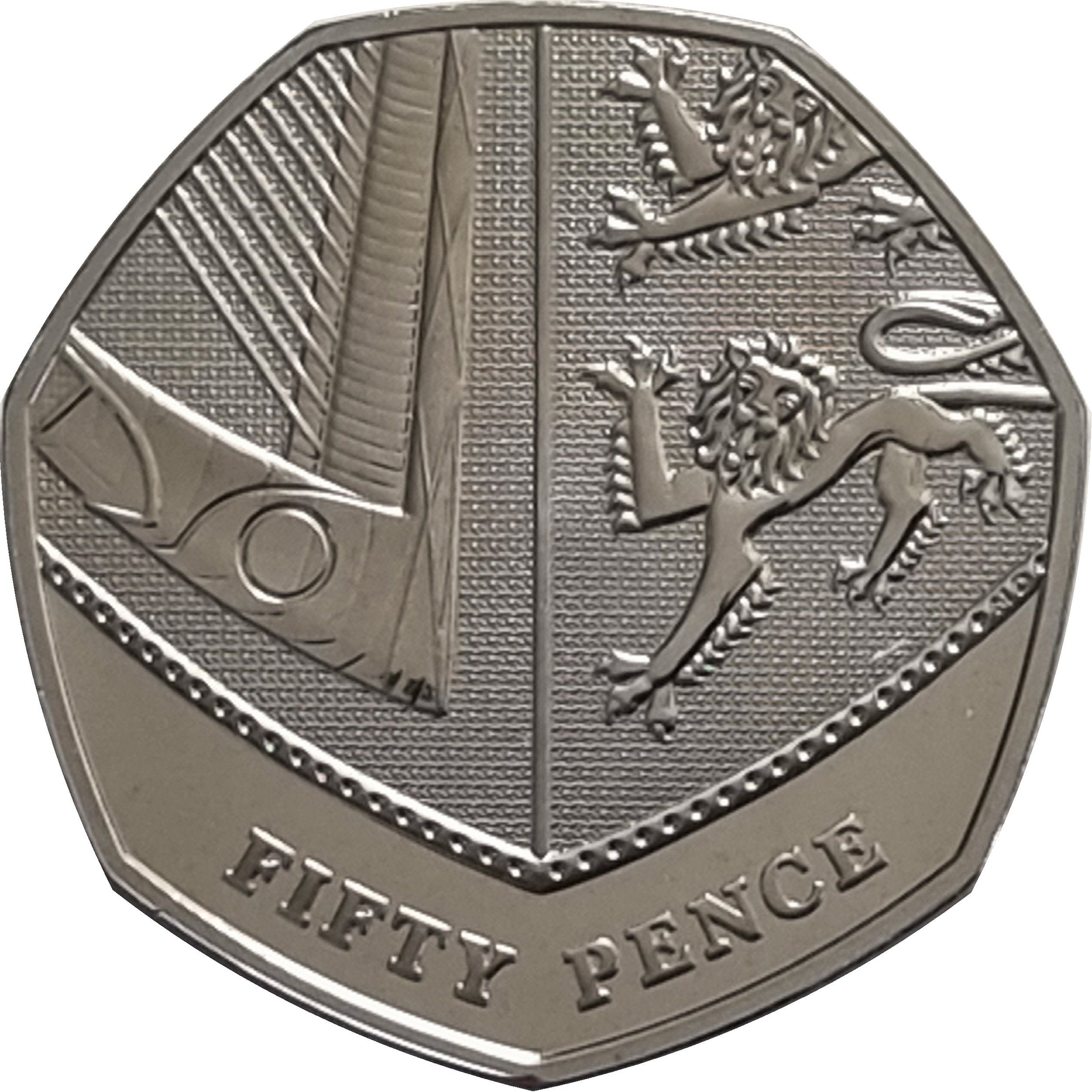
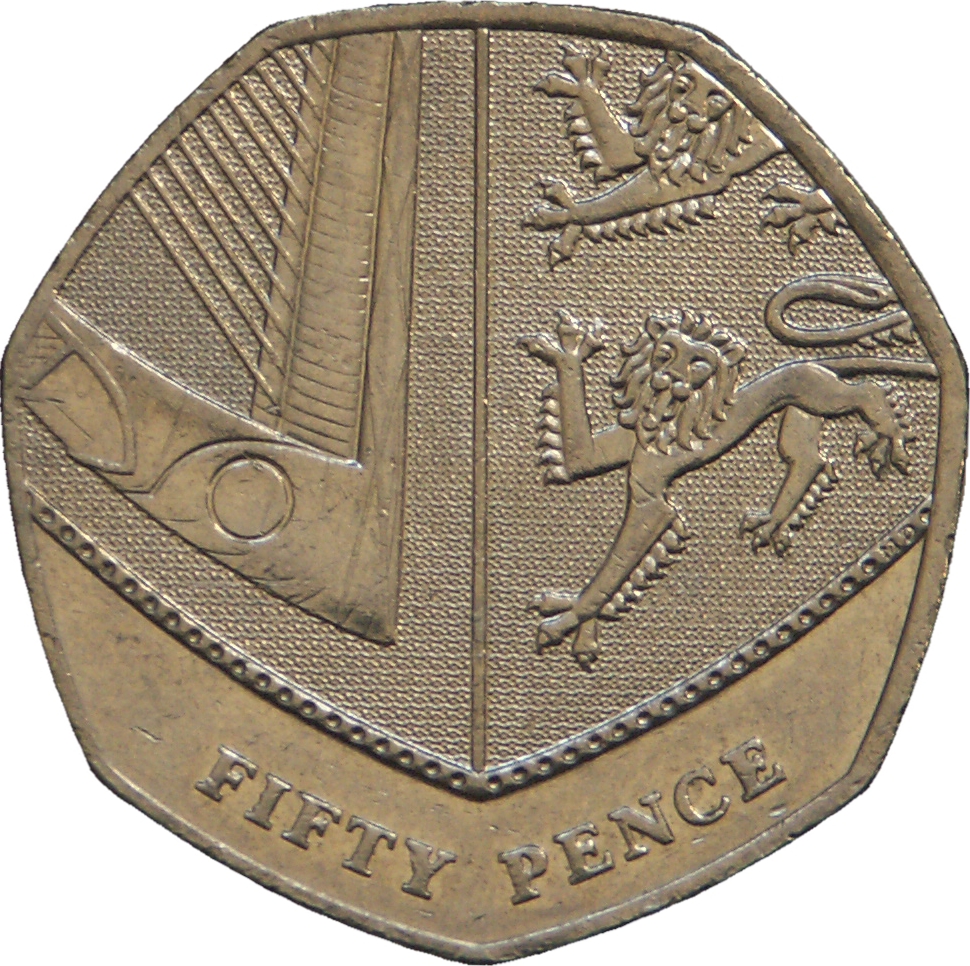
- 2009 Royal Shield BU set (£15-25 sold). Seven coins from 1p to £1 plus the £2, all BU in original Royal Mint card. The shield-of-arms designs by Matthew Dent split a single heraldic shield across the six lower denominations. Excellent introduction to BU grade and to a deliberate Royal Mint design programme.
- 2018 Paddington at the Palace 50p in BU pack (£8-15 sold). Single coin, original card, charming design, mid-tier mintage. The Paddington series is one of the most consistently collected modern themes; this entry-level coin is the cheapest way in.
- Pre-1947 silver shilling, mixed date, in 2×2 flip (£8-15 sold). Real sterling silver in a Victorian, Edwardian or George V design. Heavy in hand, properly historical, and teaches the difference between worn and EF silver.
Avoid in this tier: single circulating 50ps sold "rare" with no mintage context (most common 50ps are worth face value), unmarked coins from Facebook Marketplace, anything with cleaning damage.
£20-50, first-themed-piece tier
- 2018 Paddington full set in BU (4 coins, £25-40 sold). Paddington at the Palace, Paddington at the Station, plus the 2019 set continuation. Themed, complete, sealed in original packaging, with strong continuing collector demand.
- Pre-1947 silver job-lot (50-100g, £30-50 sold). A mixed lot of sixpences, shillings, threepences and half crowns. Good silver exposure at melt-plus-small-premium prices. See junk silver UK coins for the year breakdown.
- 1953 Coronation crown in BU (£25-45 sold). Five-shilling face value, 28.28g, large-format silver-coloured (cupronickel) coin commemorating Elizabeth II's coronation. Common but culturally significant; a good first "big coin".
Pitfall: at this tier slabbed common-date coins start appearing on eBay at £30-50. Don't pay slab premium for ordinary coins; the same raw piece is £15-25.
£50-100, first pre-decimal silver tier
- 1937 George VI half crown in EF (£50-80 sold). The classic British silver coin of the WWII era. 14.14g of .500 silver, large-format with George VI obverse and royal arms reverse. First-year-of-reign coin and a genuinely scarce date in EF or better.
- 2002 Commonwealth Games £2 four-coin set (£55-95 sold). The four "Commonwealth Games" £2 coins (England, Scotland, Wales, Northern Ireland) are the second-rarest UK £2 coins after the 2002 and have unusually low mintages (485,000 to 588,500 each). Set in original Royal Mint package is the right way to buy them.
- 2009 Kew Gardens 50p in F-VF circulated grade (£75-95 sold). The cheapest entry into the most-celebrated modern UK key date. Authenticity risk is highest at this tier; insist on a seller with 100+ coin transactions and multiple photos.
£100-200, first key-date tier
- 2009 Kew Gardens 50p in EF (£120-180 sold). The threshold key-date coin for modern UK collecting. EF examples have noticeably better surfaces than circulated and the price step from F-VF is well-documented. See our Kew Gardens 50p deep-dive.
- Edward VII florin, average circulated (£100-160 sold). 11.31g sterling silver, the elegant Britannia reverse by G.W. de Saulles, low survival in any reasonable grade. A classic first Edwardian piece.
- 1887 Jubilee Head Victoria crown (£130-200 sold). 28.28g sterling silver, the Pistrucci St George reverse, and the most-collected Victorian crown. Commemorates Victoria's 50th Jubilee. Ungraded EF examples sit comfortably in this band.
£200-500, first investment-tier piece
- Half-sovereign, common-date Elizabeth II (£380-450 sold). 3.99g of 22-carat gold containing 3.66g pure. CGT-exempt, half the weight (and price) of a full sovereign, an excellent first piece of British gold. Common-date 1980s-2010s issues are the right starting point.
- 2002 Golden Jubilee silver proof crown (£280-380 sold). Mintage 75,000 in silver proof; the Pistrucci St George reverse with shield variant. Sealed in original Royal Mint package with Certificate of Authenticity. Consistently strong collector demand.
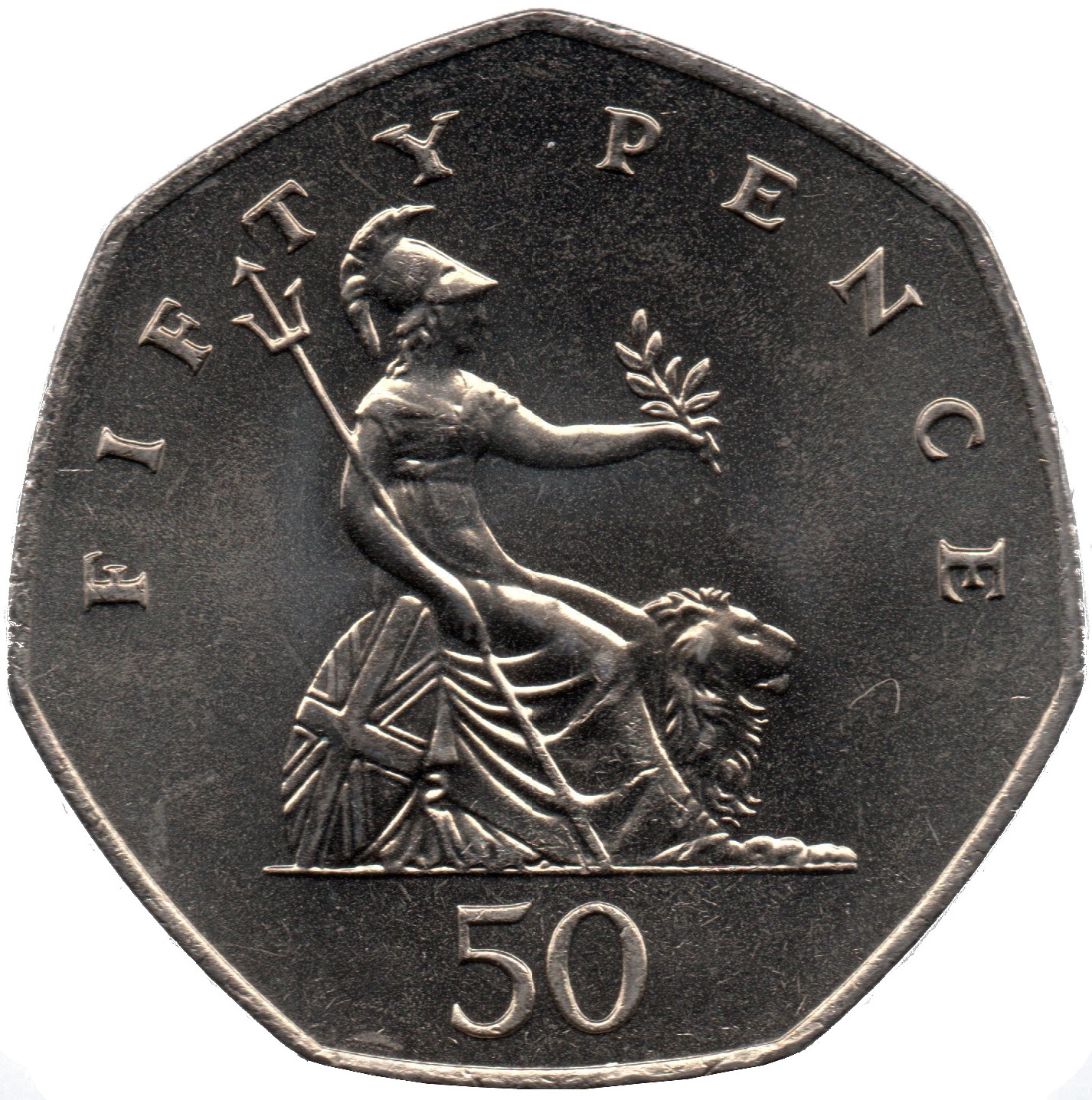
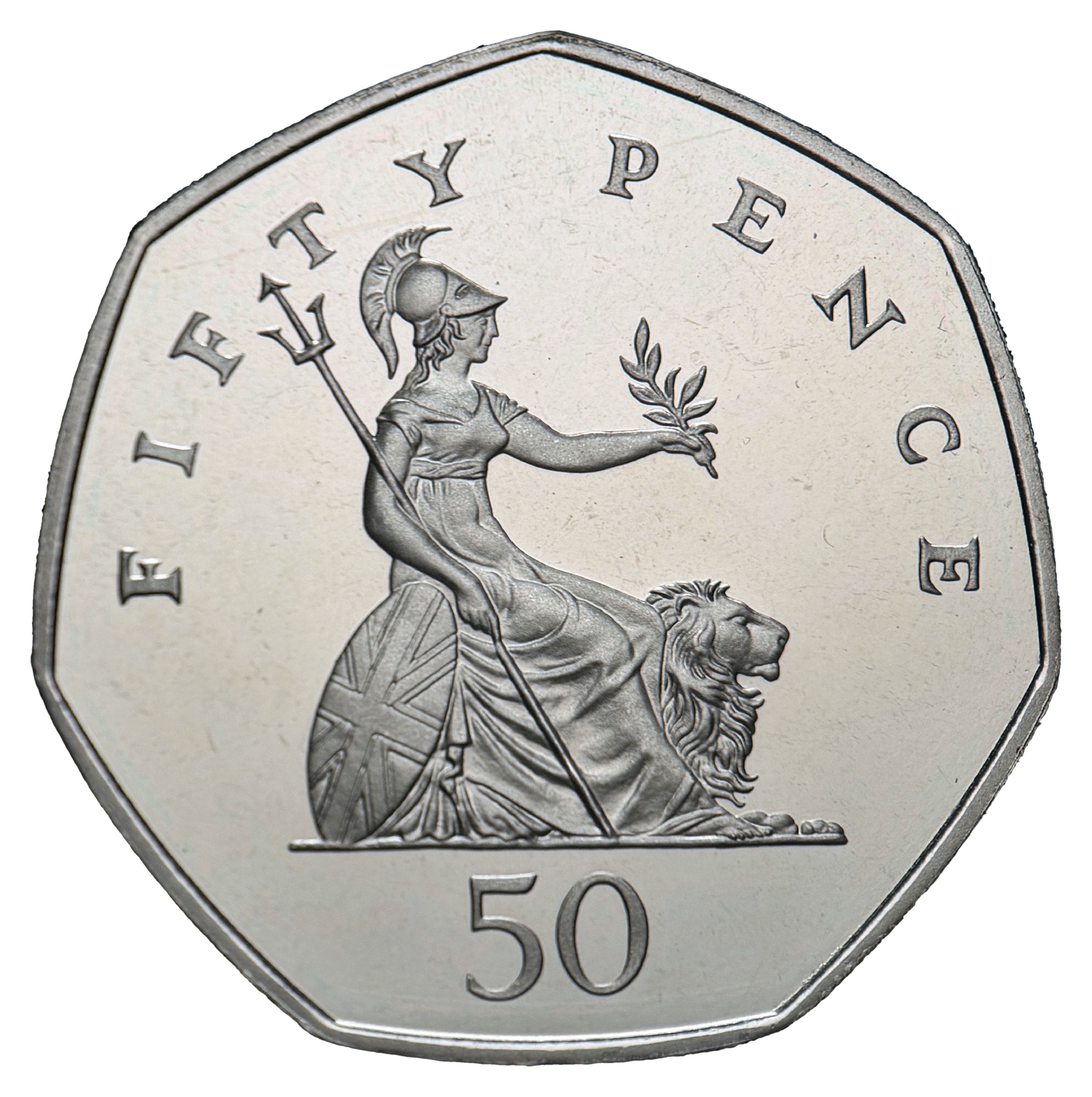
- 2008 emblems of Britain proof set (£220-320 sold). The complete proof version of the 2008 redesign, the last appearance of the Britannia, lion, thistle and other classic reverses before the Royal Shield. Boxed proof set with full COA.
Comparison, which to pick
| Budget | Coin | Why a good first | Where to buy | Pitfall |
|---|---|---|---|---|
| <£20 | 2009 Royal Shield BU set | Seven coins, BU, original card, complete | eBay sold filter | Avoid loose copies without card |
| £20-50 | 2018 Paddington full set BU | Themed, sealed, continuing collector demand | eBay or specialist dealer | Don't pay slab premium for circulating |
| £50-100 | 1937 GVI half crown EF | WWII silver, first-year-of-reign, scarce in EF | Coin fair or eBay vetted seller | Cleaning damage common, check surfaces |
| £100-200 | 2009 Kew Gardens 50p EF | The threshold modern UK key date | BNTA dealer or slabbed eBay | Counterfeits exist, authenticate |
| £200-500 | Half-sovereign common date | CGT-exempt gold, great liquidity, low risk | UK bullion dealer | Verify weight 3.99g and 19.30mm diameter |
Common mistakes when buying a first coin
- Paying for slabs you don't need. A common-date coin in an MS62 slab from PCGS isn't worth more than the same coin raw to a beginner. Slabs add value at MS65+ on coins worth £500+. Below that, you're paying for the plastic.
- Buying from Westminster Collection direct mail. The mailers showcase low-mintage Royal Mint commemoratives in presentation cases at 100-200% premium over fair market. The cases look impressive; the resale market is brutal. Read our Westminster vs Bradford Exchange review.
- Believing "limited edition" marketing. Almost every Royal Mint commemorative is marketed as "limited edition" with a specific mintage. Mintages of 7,500 or 15,000 sound rare but are plentiful in the secondary market. Check eBay sold listings for the actual scarcity signal.
- First-day-of-issue panic buys. Royal Mint releases sell out within hours, generating social-media buzz. Almost every coin is cheaper 90 days later in the secondary market. The exceptions (gold proofs of mintage under 500) are not beginner buys.
- Skipping the eBay-sold-listings check. Asking prices on active listings are not market prices. Always cross-reference against sold listings before paying. The single most important habit a beginner can build.
- Buying from social-media "rare coin" posts. Most viral Facebook and TikTok claims about rare coins are wrong. A "rare 2p" is almost always face value. A "rare 50p" is almost always face value. Trust mintage data and sold listings, not engagement-driven viral posts. See coin collecting myths 2026 for the full debunking.
How to verify a first-purchase before paying
Five-step pre-purchase check, in order:
- Cross-reference the realised price. Open eBay UK, search the exact coin name, filter "Sold listings" only, last 90 days. The median of those sales is the market price. Walk away from listings more than 15% above the median.
- Check the seller. 99%+ feedback, 100+ coin transactions, UK location preferred. Negative reviews mentioning "fake" or "counterfeit" are a hard no.
- Demand specific photos. The actual coin, both sides, in good light. If the seller uses stock images shared across multiple listings, walk away.
- Check specifications against published data. Weight, diameter, edge type, metal composition. The Royal Mint publishes specs for every modern UK coin; Spink Standard Catalogue covers every historical UK issue. A 50p that's 7.7g is fake.
- If high-value (£500+), insist on third-party slab or independent appraisal. At this tier the £20-40 grading fee is a small percentage of value and the slab adds resale confidence. Buy slabbed direct from a CGS UK, NGC or PCGS dealer.
Related coins on MyCoinage
Related guides
- How to start a coin collection UK, the broader beginner's framework.
- Cheap rare UK coins under £50, affordable targets that are genuinely scarce.
- Junk silver UK coins, the year breakdown for pre-1947 silver.
- How to spot fake British coins, the authentication checklist.
- Where to sell rare coins UK, the inverse view; useful for understanding where buyers live.
- Coin storage UK, protect your first purchase from PVC and humidity.