The 1952 Penny: A Transitional-Year Rarity
1952 is the year George VI died and Elizabeth II acceded. Royal Mint records show no 1952 pennies were struck for general circulation; the few that exist are proof or specimen pieces carrying the George VI obverse. When one surfaces at auction it sells in the £15,000–£40,000 range, below the 1933 penny but well above the rest of the George VI series. This guide covers why so few were made, how to authenticate a genuine specimen, realised prices and how 1952 sits alongside its 1950 and 1951 sister coins.
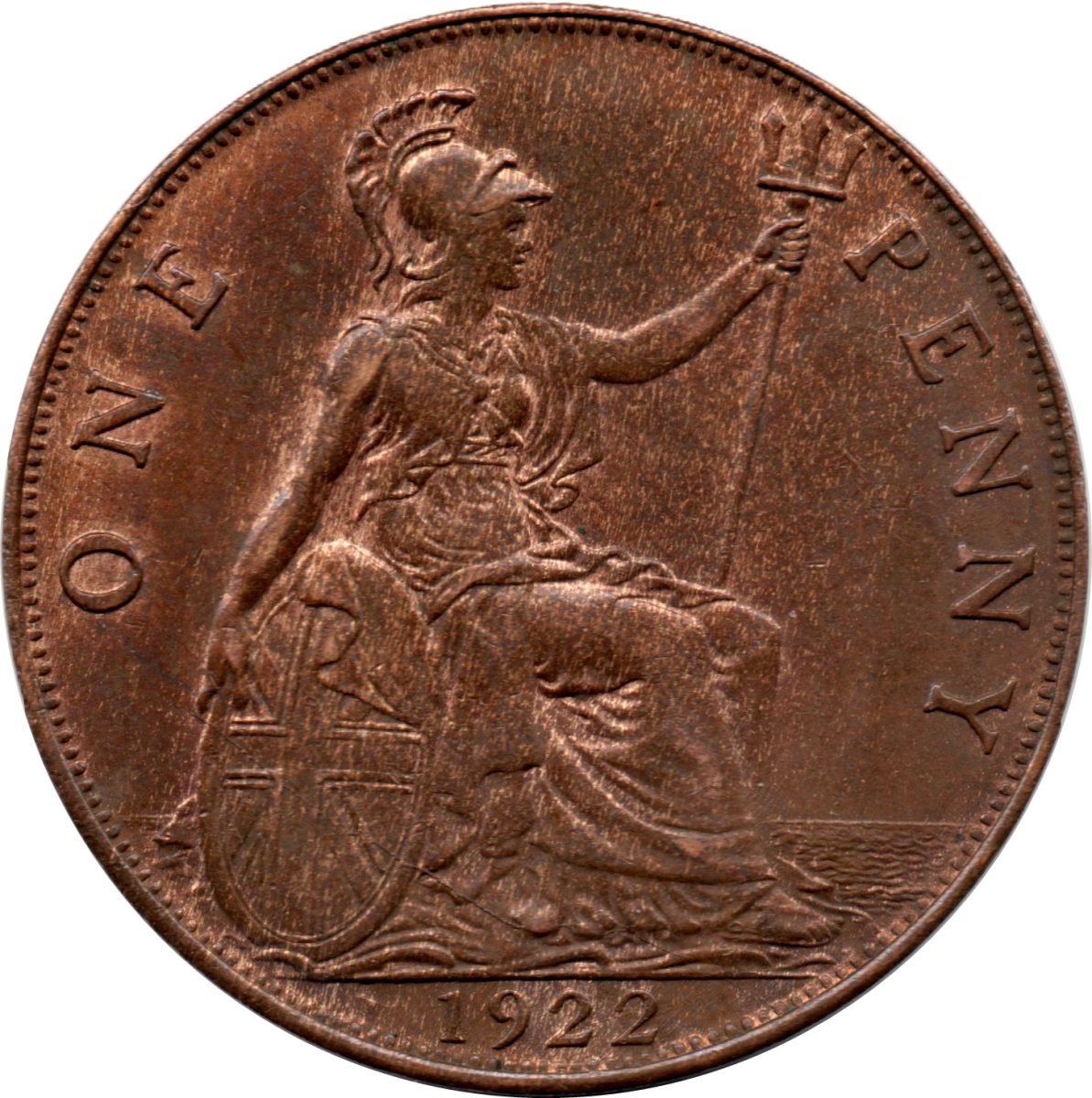
What is a 1952 penny?
A 1952-dated bronze penny carrying the obverse portrait of George VI, struck at the Royal Mint in the year of his death. The reverse retains the Britannia design that has appeared on every British penny since 1860, with minor stylistic variants under each monarch. The 1952 issue is distinguished from the rest of the George VI series in three ways:
- Tiny mintage. No business-strike pennies are recorded for 1952 currency circulation. The few specimens that exist were struck for proof, presentation, or archive.
- Post-Indian-independence legend. The obverse legend reads GEORGIVS VI D:G:BR:OMN:REX FIDEI DEF, "George VI, by the Grace of God, King of all the Britons, Defender of the Faith". Earlier coins (1937–1948) carried IND:IMP ("Emperor of India"), dropped from 1949 after Indian independence.
- Transitional politics. The 1952 penny is the last gasp of the George VI bronze series. Elizabeth II\'s first penny was dated 1953 and used Mary Gillick\'s new portrait.
Mintage and rarity
Why were so few struck? Three operational reasons combined to make 1952 one of the smallest penny issues of the 20th century:
- Existing stockpile. The Royal Mint had struck heavy volumes in 1950 (60 million) and 1951 (120 million) for export to British colonies, particularly Bermuda. While most of these coins did not enter UK circulation, the Mint\'s production capacity in late 1951 and early 1952 was committed to other denominations. There was no operational need to dedicate dies to a 1952 penny.
- Royal succession. George VI died on 6 February 1952. The Mint immediately began the design and approval process for the Mary Gillick portrait of Elizabeth II. New dies for that effigy were not approved and ready until 1953, by which point the calendar year had moved on.
- Internal proof tradition. The Royal Mint\'s long-standing practice was to strike a small number of proof or specimen pieces for every denomination each year, even if no business strike followed. This explains why any 1952 pennies exist at all: archive and presentation purposes, struck against George VI dies just before they were retired.
Best estimates of total 1952 penny production sit in the 5–10 specimens range, with at least one held by the Royal Mint Museum and a small number in private collections. None entered general UK circulation.
Realised prices by grade
Because so few specimens exist, every market appearance is recorded. The table below summarises realised auction ranges for the grades that do trade. For comparison, common-date George VI pennies are included at the bottom row.
| Grade | Description | Realised range |
|---|---|---|
| VG (Very Good) | Heavy wear, legend legible, design outlines clear | £12,000, £18,000 |
| F (Fine) | Moderate wear, all major detail visible | £15,000, £22,000 |
| VF (Very Fine) | Light wear on high points, minor lustre possible | £18,000, £28,000 |
| EF (Extremely Fine) | Trace wear, much original lustre | £22,000, £35,000 |
| UNC / Proof | Mint state with full lustre, or full proof finish | £28,000, £40,000+ |
| Common-date George VI penny (1937–48) for comparison | EF circulation grade | £5, £15 |
Ranges drawn from realised auction figures at Spink, Baldwin\'s, Noonans and Heritage. With single-digit populations, individual results can sit outside the bracketed bands.
How to spot a genuine 1952 penny
Almost every "1952 penny" encountered on the open market is fake. The five-test home check:
- Weight. 9.4 g ± 0.1 g. Use a calibrated jewellery scale to 0.01 g resolution. Cast counterfeits typically run 0.2–0.5 g light because cast bronze compresses less than struck bronze.
- Diameter. 30.81 mm. Calliper to 0.05 mm. Cast counterfeits often run 0.1–0.3 mm undersize because of cooling shrinkage in the mould.
- Edge. Plain, sharp and uniform with no seam. Cast counterfeits show a faint horizontal seam where the two halves of the mould met.
- Obverse legend. Must read GEORGIVS VI D:G:BR:OMN:REX FIDEI DEF, with no IND:IMP. A coin claiming to be 1952 that includes IND:IMP is using a pre-1949 obverse die and is therefore fake or a fantasy piece.
- Date digits. Both the "5" and the "2" should match the typeface of the 1951 working dies exactly. Under 10x loupe, look for tooling marks: parallel scratches near digit edges, depressions where metal was cut away, or unusual spacing relative to the field. The most common counterfeit is a 1951 with the final "1" reworked into a "2", or a 1932 with the "3" reworked into a "5".
1952 vs 1950 vs 1951, the rare modern pennies
The 1950, 1951 and 1952 pennies form a cluster of late-George-VI rarities that any modern UK penny collection should treat together. They share a denomination and a portrait but differ sharply in mintage, distribution and current value.
| Year | Mintage | Distribution | Why scarce in UK | UNC value range |
|---|---|---|---|---|
| 1950 | ~60 million | Export to colonies (Bermuda primarily) | Few entered UK circulation; came back via expatriates | £80, £200 |
| 1951 | ~120 million | Export to colonies | Same as 1950; doubled the colonial output | £100, £250 |
| 1952 | ~5–10 specimens | Proof / archive only | Royal succession; production paused | £28,000, £40,000+ |
The 1952 penny sits in a different price tier because of population, not legend. 1950 and 1951 are scarce because few entered UK circulation. 1952 is genuinely rare because almost none were struck at all. For any collector building a complete George VI penny date run, 1950, 1951 and 1953 are achievable on a moderate budget; 1952 is a five-figure goal that most will fill with a documented photographic record rather than a physical coin.
"I have a 1952 penny, is it worth anything?"
This is one of the most common questions sent to MyCoinage. Almost always, the answer is "no, it isn\'t a 1952 penny." Here\'s the walk-through we use:
- Weigh it. A genuine 1952 penny weighs 9.4 g ± 0.1 g. Use kitchen scales precise to 0.01 g (search "jewellery scale 0.01g"). Wildly off? It\'s a counterfeit cast or a different denomination entirely.
- Check the diameter. 30.81 mm. Use a steel calliper or even a printed paper gauge if you don\'t have one. Off by 0.5 mm or more? It\'s either a counterfeit or a confusion (perhaps a halfpenny or a different country\'s coin).
- Read the legend slowly. Does it say IND:IMP anywhere on the obverse? If yes, it\'s pre-1949 and not 1952. Does it say ELIZABETH II? If yes, it\'s 1953 or later. A genuine 1952 penny carries George VI without IND:IMP.
- Magnify the date. Use a 10x loupe on the "52". Are the strokes consistent with the rest of the legend? Are there scratches around the digits? Is the spacing between "5" and "2" the same as on a 1951 reference image? Most candidates fail this check because they\'re reworked 1932s or 1951s.
- Compare obverse detail. The Thomas Humphrey Paget "modified obverse" portrait of George VI has very specific high-relief detail. Compare your coin to a known-genuine 1951 reference photo. Cast counterfeits lose detail in the hair and the bow knot of the ribbon.
If you pass all five checks, and especially if the candidate has any documented provenance (e.g. it came from an estate of someone who worked at the Royal Mint), submit to a grading service. Don\'t clean it, don\'t polish it, don\'t put it in an album with PVC sleeves. The original surfaces are most of the value.
Selling channels and what to expect
A genuine, authenticated 1952 penny is not a coin to put on eBay. The buyer pool is small and sophisticated; provenance and slabbing matter more than venue. The realistic options:
- Specialist auction. Consign to Spink, Baldwin\'s, Noonans or Heritage Auctions. Hammer commissions are typically 15–20% but realisations on a coin of this calibre will beat any private offer. Expect a 3–6 month timeline from consignment to settlement.
- Private treaty via specialist dealer. Faster than auction (often 2–6 weeks) but you typically receive 70–85% of likely auction realisation in exchange for the speed and certainty. Useful if you need liquidity quickly or want to avoid the public record.
- Royal Mint Museum acquisition. The museum occasionally acquires significant Royal Mint products for the national collection. Approach via their curatorial team. Prices tend to be at or slightly below auction estimates but the placement is permanent and prestigious.
Avoid eBay outright for a coin of this value. The buyer pool there will not pay numismatic prices and the platform\'s buyer protection works structurally against high-value sellers. Avoid generic estate dealers and high-street antique shops, neither will offer numismatic premium and most simply won\'t recognise the coin.
Related coins on MyCoinage
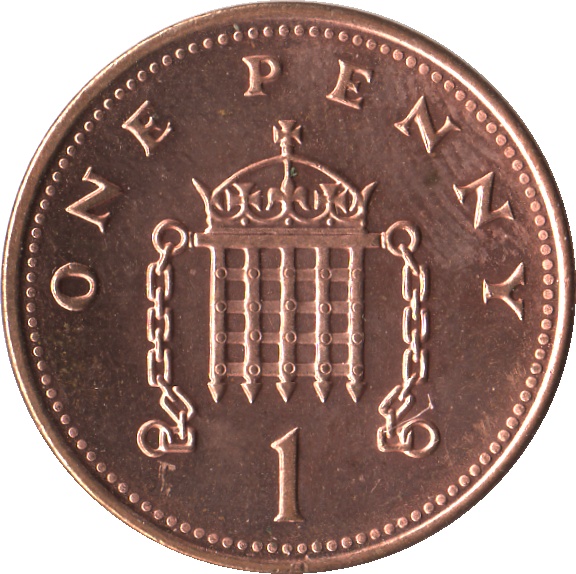
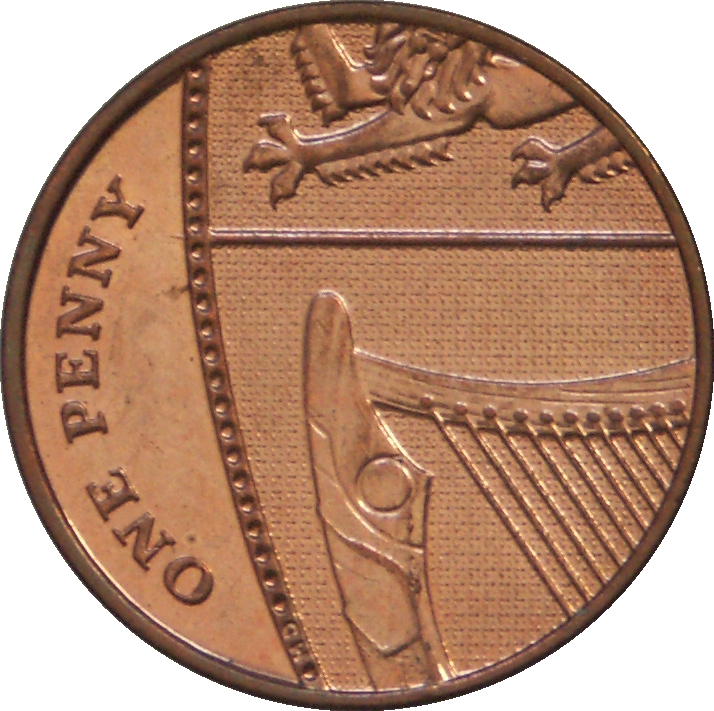
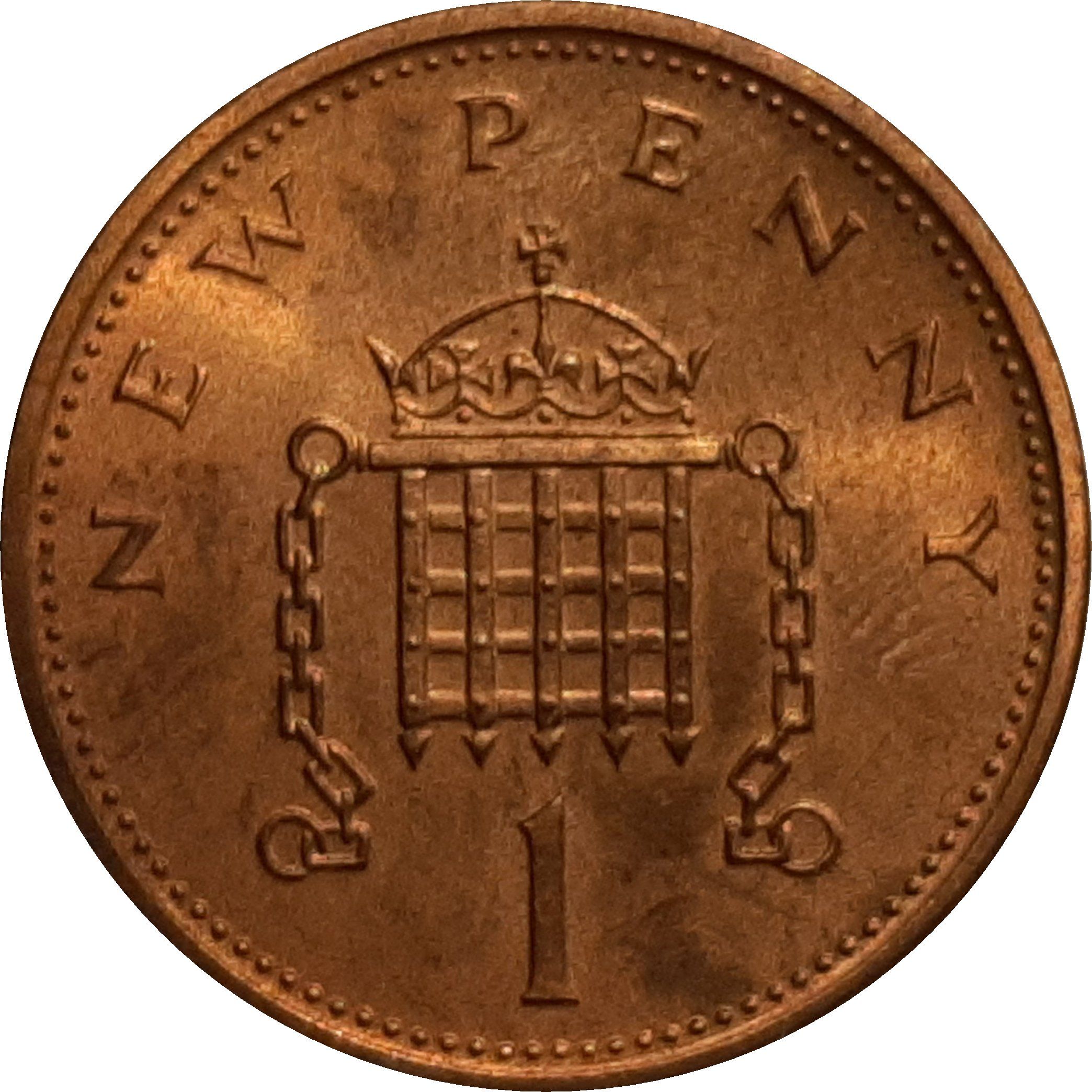
Browse every UK penny in the catalogue →
Related guides
- George VI Coins Value Guide, the full bronze and silver series under George VI, including the 1950–1952 cluster.
- Elizabeth II Coins Value Guide, the post-1952 era and the Mary Gillick first portrait.
- 1933 Penny Value, the headliner of modern penny rarities.
- Are My Old Coins Worth Anything?, the practical filter for inherited tins.
- How to Authenticate a Coin, the full home authentication workflow.
- Where to Sell Rare Coins UK, venue selection by realised value.