Scotland 3 Pound Piece - Mary I 1st Period (1555–1558)
| Country | Scotland (United Kingdom) |
| Year | 1555–1558 |
| Denomination | 3 Pounds |
| Circulation | Circulating |
| Demonetised | Yes |
| Composition | Gold (.916) (916/1000 fine) |
| Weight | 7.630g · 0.2247 t oz |
| Diameter | 28.0mm |
| Shape | Round (irregular) |
| Orientation | Variable alignment ↺ |
| Grade scale | UK (EF/UNC) |
| Spink | 5397 |
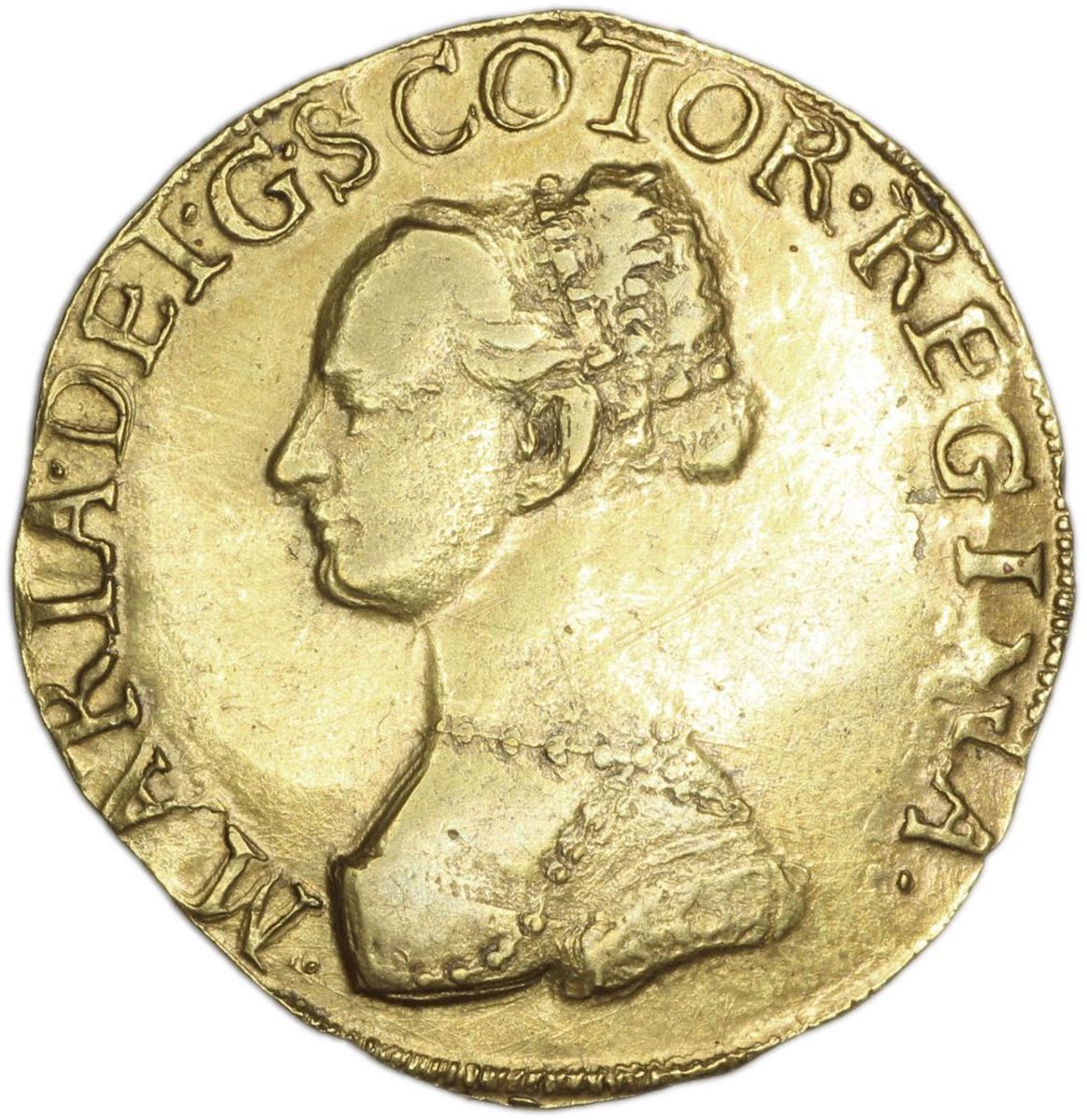
Left facing bust of Queen Mary.
· MARIA · DEI · G · SCOTOR· REGINA ·
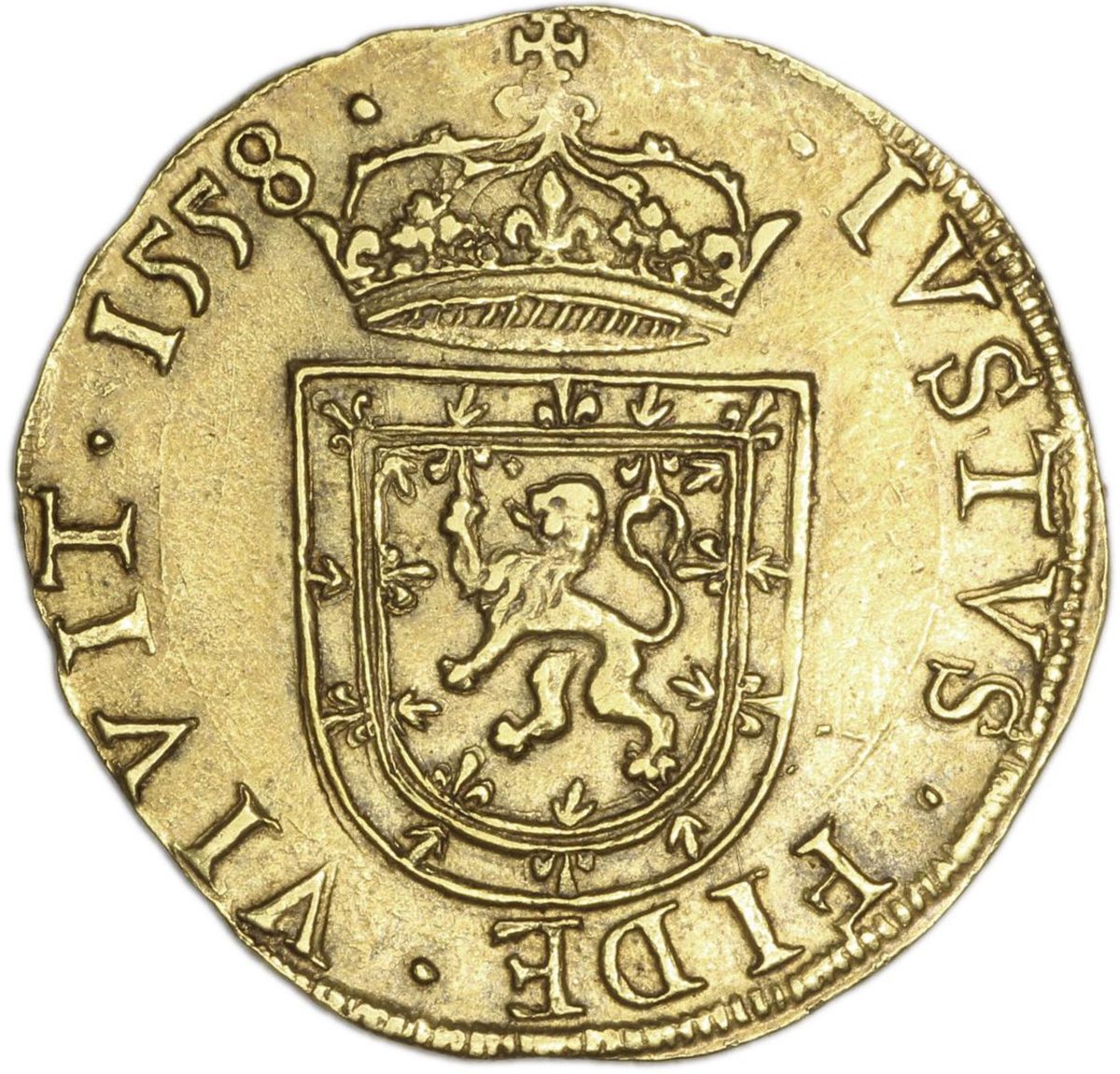
Crowned arms of Mary as Queen of Scots
· IVSTVS · FIDE · VIVIT · 1558 ·
Find this on eBay
AffiliatePrice History
Daily limit reachedAbout the 1555 Scotland 3 Pound Piece - Mary I 1st Period
The 1555 Scotland 3 Pound Piece - Mary I 1st Period is a circulating 3 pounds coin issued from 1555 to 1558, struck in 91.6% gold. It weighs 7.63g and measures 28mm across. Reverse design: Crowned arms of Mary as Queen of Scots.
It is no longer legal tender, so its value is to collectors only.
Common questions
How much is the 1555 Scotland 3 Pound Piece - Mary I 1st Period worth?
No verified sale of the 1555 Scotland 3 Pound Piece - Mary I 1st Period has been logged on MyCoinage yet. Its gold content is worth about £702 at today's spot price, which puts a floor under its value.
How do I identify the 1555 Scotland 3 Pound Piece - Mary I 1st Period?
Check the weight 7.63g and diameter 28mm and the metal (91.6% gold) against the specification table on this page. The reverse design is described above.