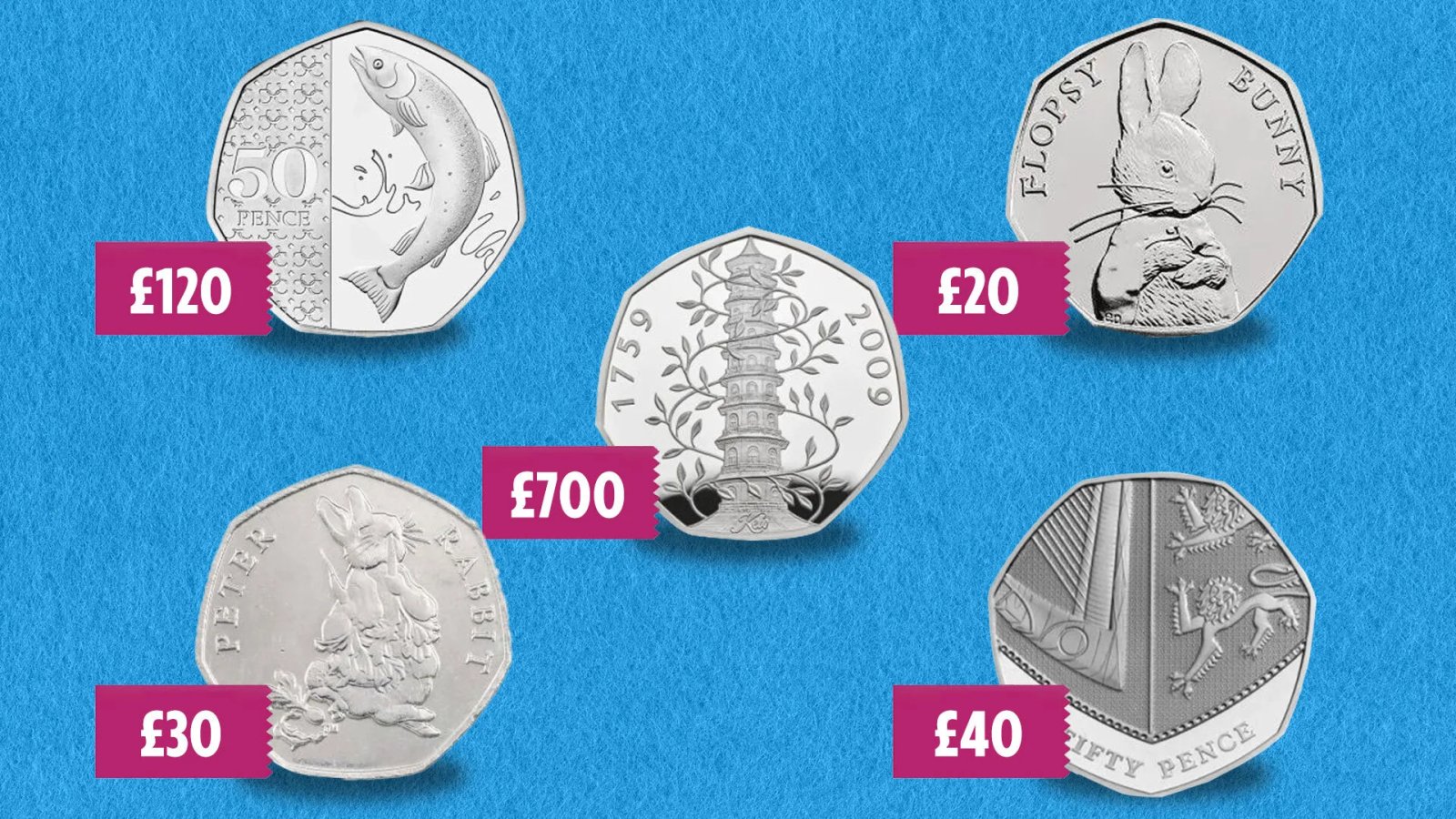
<p>The 2009 Kew Gardens 50p has appreciated <strong>18% year-on-year</strong> based on MyCoinage's verified eBay UK sold-listings dataset. It's the third consecutive year of double-digit growth. So what's driving it, and are other modern UK commemoratives following the same path?</p>
<h2>Three forces behind the rally</h2>
<h3>1. Demographic demand</h3>
<p>The generation that grew up collecting 2012 Olympic 50ps is now in its mid-20s with disposable income. That cohort sees commemorative UK coins as nostalgia pieces, not investments. Demand is emotional, not rational, and emotional demand doesn't soften with rate rises.</p>
<h3>2. Fixed supply</h3>
<p>Unlike bullion, which can always be minted more, the 210,000 circulating Kew Gardens mintage is final. No more will ever be made. Meanwhile, each year a percentage get lost, damaged, or locked away in long-term collections. The floating stock available to the market slowly shrinks.</p>
<h3>3. Social media virality</h3>
<p>A TikTok showing a £150 Kew Gardens discovery now reaches 500k viewers in a week. Each viral post triggers a demand wave, collectors pile into eBay and bid up realised prices before the wave fades. These cycles happen 3–4 times a year for the major modern rarities.</p>
<h2>Which other 50ps are following the trend?</h2>
<ul>
<li><strong>2011 Olympic Wrestling</strong>, up 22% YoY on verified sales. The rarest Olympic 50p.</li>
<li><strong>2011 Olympic Football ("Offside Rule")</strong>, up 15%. Design novelty keeps demand consistent.</li>
<li><strong>2018 Peter Rabbit (1.4m mintage)</strong>, up 12%. Character popularity prevents softening.</li>
<li><strong>2018 Flopsy Bunny</strong>, up 10%. Tied to Peter Rabbit demand.</li>
</ul>
<p>The coins that have <em>not</em> appreciated notably are the mid-rarity 2003 Suffragettes 50p and 2007 Abolition of the Slave Trade £2. Both still trade around £3–£8 in circulated grade, essentially unchanged since 2023.</p>
<h2>What about £2 coins?</h2>
<p>The 2002 Commonwealth Games Northern Ireland £2, the rarest circulating UK £2, is up 14% YoY. The 2008 Olympic Handover £2 is up 8%. Full <a href="/guides/2-pound-coin-values-uk">£2 coin values guide</a> here.</p>
<h2>Risks to the rally</h2>
<p>Coin collecting is discretionary spending. A sharp UK recession or disposable-income shock would cool demand. So would a renewed Royal Mint reissue of popular designs, e.g., another Kew Gardens 50p would immediately discount the 2009 original. The Royal Mint has shown restraint on this front so far.</p>
<h2>Practical takeaway</h2>
<p>If you own a genuine circulated Kew Gardens 50p, you're sitting on roughly £150–£250 of value that's likely to continue appreciating modestly. Now is <em>not</em> a panic-sell moment. Conversely, paying £280 for an un-slabbed "mint" Kew Gardens from a private seller still looks rich against PCGS-graded MS-65 realised prices of £260–£310.</p>
<p>Track current realised prices in the <a href="/coins?q=Kew+Gardens">MyCoinage catalogue</a>.</p>
Why Rare 50p Prices Are Climbing in 2026
👤
Editor, MyCoinage
·
Published 7 May 2026