Quick answer
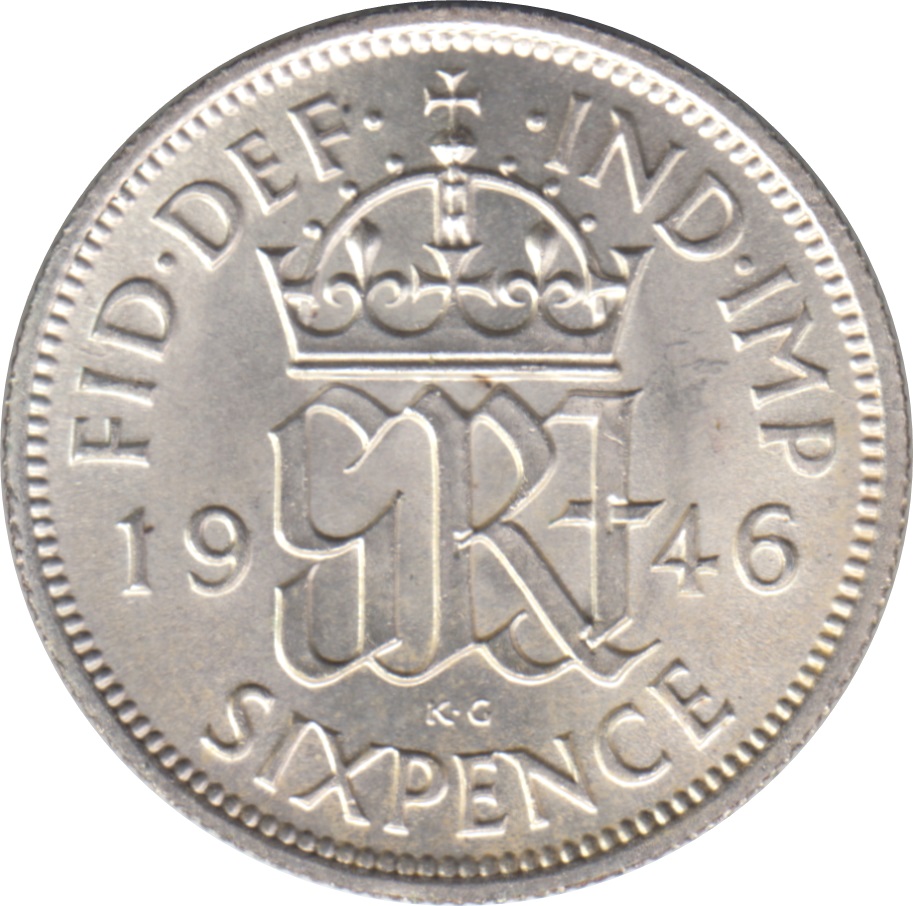
The sixpence in the Christmas pudding tradition means stirring a silver sixpence into the mix on Stir-up Sunday, which falls on 22 November 2026. Whoever finds it on Christmas Day is promised luck for the year ahead. Sixpences dated before 1947 contain silver, and worn George VI examples sell for about £1 to £5.
Key facts
| Fact | Detail |
|---|---|
| The custom | A sixpence is stirred into the pudding mix and each person makes a wish |
| When | Stir-up Sunday, the last Sunday before Advent: 22 November 2026 |
| What the finder gets | Wealth and good luck in the coming year, by tradition |
| Era | Victorian, according to the Royal Mint |
| Silver sixpences | .925 silver to 1920, .500 silver 1920 to 1946, cupro-nickel from 1947 |
| Size | 19.3 mm across, 2.83 g |
| Typical sold price | About £1 to £5 for a worn 1937 to 1946 silver sixpence |
| New sixpences | The Royal Mint sells a sterling silver sixpence dated 2026 |
Why do you put a sixpence in a Christmas pudding?
The coin is a luck token. The Royal Mint's account is that families gathered to make the pudding, a silver sixpence went into the mix, every member of the household made a wish while stirring, and whoever found the coin on Christmas Day could expect wealth and good luck in the year to come.
The Royal Mint says the sixpence has been linked to Christmas since the Victorian era and that the custom is "believed to have been brought to Britain by Prince Albert". That is a belief, not a documented fact, and it should be read that way.
A second Royal Mint account, drawing on food historian Annie Gray, traces the idea to an older habit: hiding tokens in the Twelfth Cake eaten on Twelfth Night. The pudding coin is a later version of the same game.
Royal Mint research published for Christmas 2024 found the habit is fading. In its survey, 77% of UK adults had not heard of Stir-up Sunday and only 4% of people who celebrate Christmas said they follow it.
When is Stir-up Sunday 2026?
Stir-up Sunday is the last Sunday before Advent. In 2026 Advent Sunday is 29 November, so Stir-up Sunday is 22 November 2026.
The name comes from a church prayer for that Sunday which begins "Stir up, we beseech thee, O Lord". The prayer appears in the Book of Common Prayer of 1549. According to food historian Annie Gray, quoted by the Royal Mint, the Victorians turned the opening words into a light-hearted reminder to get the pudding made in time for it to mature before Christmas.
Which sixpence should I use? Silver sixpence Christmas pudding guide
The tradition calls for a silver sixpence, and only older coins qualify. The silver standard was cut from sterling to 500 parts per 1,000 in 1920, and cupro-nickel replaced silver in 1947.
| Dates | Monarch | Metal | Sold price range (VF) |
|---|---|---|---|
| 1911 to 1920 | George V | .925 silver | £3.99 to £64.50 (29 sales) |
| 1920 to 1926 | George V | .500 silver | £1.44 to £11.00 (12 sales) |
| 1927 to 1936 | George V | .500 silver | £1.17 to £18.00 (15 sales) |
| 1937 to 1946 | George VI | .500 silver | £1.16 to £4.54 (15 sales) |
| 1947 to 1952 | George VI | Cupro-nickel | £0.63 to £4.24 |
| 1953 to 1967 | Elizabeth II | Cupro-nickel | £0.62 to £5.95 |
Prices are based on sold prices tracked by MyCoinage, late 2026. The 1920 date exists in both alloys because the change happened during that year.
The practical choice for a pudding is a worn George VI silver sixpence of 1937 to 1946. It is real silver, it is common (the 1937 issue alone had a mintage above 22 million), and it is cheap enough that a year in a pudding will not cost you anything.
Do not use a scarce or high-grade coin. Boiling, scrubbing and baking will mark it, and cleaning a collectable coin lowers its value. For full date-by-date prices, use the sixpence values guide. The background to the two alloy changes is covered in pre-1947 and post-1947 silver and the 1920 silver transition.
Is a 1963 sixpence worth anything?
Not much. A 1963 sixpence is cupro-nickel with no silver, and 112,964,000 were struck that year. Elizabeth II sixpences of 1954 to 1967 have sold for £0.85 to £3.61 in VF grade (10 sales). It works perfectly well as a pudding coin if you are not concerned about silver.
Is it safe to put a sixpence in a Christmas pudding?
It carries a real choking risk, and that is the main thing to manage. A sixpence is 19.3 mm across. The NHS advice on choking says small objects can get stuck in a child's airway and that the best way to avoid this is to keep them out of a child's reach. A coin hidden in food is the opposite of that.
No UK food-safety body appears to publish guidance specifically on coins in puddings, so the steps below are precautions, not official rules. The preparation advice comes from Nigella Lawson's kitchen team, who answer this question on her website:
- Tell everyone. Warn every person at the table that there is a coin in the pudding before anyone eats. If you think it is a risk, they advise leaving coins and charms out altogether.
- Clean and sterilise it. They advise cleaning the coin and then immersing it in boiling water for 10 minutes.
- Wrap it. Use baking parchment or greaseproof paper, not aluminium foil, because foil can react with the fruit in the pudding.
Two further precautions follow from the NHS point. Do not serve a portion with a hidden coin to a young child. If small children are at the table, slip the coin under a plate or push it into a served adult portion instead of cooking it in.
What a silver sixpence is worth
Most silver sixpences are worth a few pounds. Based on sold prices tracked by MyCoinage, late 2026, a 1937 to 1946 George VI sixpence in VF grade has sold for £1.16 to £4.54, and a 1927 to 1936 George V coin for £1.17 to £18.00.
Sterling silver coins cost more. George V sixpences of 1911 to 1920 show a median of £10.80 in VF grade over 29 sales, with uncirculated examples reaching £60.
The floor under these prices is the metal. A .500 silver sixpence holds 0.0455 troy ounces of fine silver, so its scrap value moves with the silver price. You can work out the current figure with the silver melt calculator, and how to tell if a coin is silver explains the checks if you are unsure what you have.
Sixpences found in a relative's tin are a common first question for new collectors. The broader answer is in are old coins worth anything, and the coin value checker guide shows how to price any coin from sold listings.
The Royal Mint sixpence today
The sixpence was introduced in 1551 under Edward VI and demonetised in 1980, but the Royal Mint still strikes one for gifting. The 2026 sixpence is .925 sterling silver, weighs 3.35 g and measures 19.41 mm, so it is slightly heavier than the old circulating coin. The reverse, by Quentin Peacock, is described by the Royal Mint as a modern interpretation of the 1928 sixpence.
In 2024 the Royal Mint announced a Christmas silver sixpence made from silver recovered from X-ray film, with a limited first run of 100 and a plan for all sixpence stock to use reclaimed silver from 2025. Check the Royal Mint's sixpence page for the current price and availability, which were not shown when this guide was researched.
What to do next
Pick the coin first, then the date in the diary. Stir-up Sunday is 22 November 2026, and a worn George VI silver sixpence is the sensible buy. After Christmas, wash and dry the coin and keep it with the decorations for next year.
If the sixpence came from a family collection, add it and anything else in the tin to the MyCoinage coin tracker so you can see what the rest is worth.
FAQ
Why do you put a sixpence in a Christmas pudding?
For luck. By tradition a silver sixpence is stirred into the pudding mix while each person makes a wish, and whoever finds it in their portion on Christmas Day is promised wealth and good fortune in the coming year. The Royal Mint dates the custom to the Victorian era.
Which sixpence should I use for a Christmas pudding?
A worn George VI sixpence dated 1937 to 1946 is the best choice. It is .500 silver, common and sells for about £1 to £5. Sixpences dated 1947 or later are cupro-nickel. Avoid scarce or high-grade coins, because cleaning and cooking will damage them.
Is it safe to put a coin in a Christmas pudding?
Only with care, because a coin is a choking hazard. The NHS advises keeping small objects away from young children. Warn everyone at the table first, sterilise the coin in boiling water, wrap it in baking parchment, and keep it out of portions served to small children.
When is Stir-up Sunday 2026?
Stir-up Sunday 2026 is Sunday 22 November. It is always the last Sunday before Advent, and Advent Sunday falls on 29 November in 2026. The name comes from a church prayer for the day that begins with the words "Stir up".
How much is a silver sixpence worth?
Most are worth a few pounds. Based on sold prices tracked by MyCoinage, late 2026, .500 silver sixpences of 1937 to 1946 sell for £1.16 to £4.54 in VF grade. Sterling silver George V coins of 1911 to 1920 show a median near £11.
Is a 1963 sixpence worth anything?
Very little. A 1963 sixpence is cupro-nickel, not silver, and 112,964,000 were struck. Elizabeth II sixpences of 1954 to 1967 have sold for £0.85 to £3.61 in VF grade, so a 1963 coin is a keepsake, not a valuable find.
Sources
- The Royal Mint: Stir-up Sunday and the Christmas Sixpence
- The Royal Mint press centre: recovered silver sixpence released to revive Stir-up Sunday tradition
- The Royal Mint Museum: Sixpence
- The Royal Mint: 2026 Silver Sixpence
- NHS: How to stop a child from choking
- Nigella Lawson: Coins for Ultimate Christmas Pudding