6 Pence - George I (1717–1726)
Circulating version: 1717 1 Farthing - George I 'Dump' issue
| Country | United Kingdom |
| Year | 1717–1726 |
| Denomination | 6 Pence |
| Face value | 2.5p |
| Mint | Royal Mint · Llantrisant |
| Circulation | Circulating |
| Demonetised | Yes |
| Composition | Silver (.925) (925/1000 fine) |
| Weight | 3.000g · 0.0892 t oz |
| Diameter | 21.0mm |
| Shape | Round |
| Edge | Milled |
| Orientation | Coin alignment ↑↓ |
| Obv. artist | John Croker |
| Rev. artist | John Croker |
| Grade scale | UK (EF/UNC) |
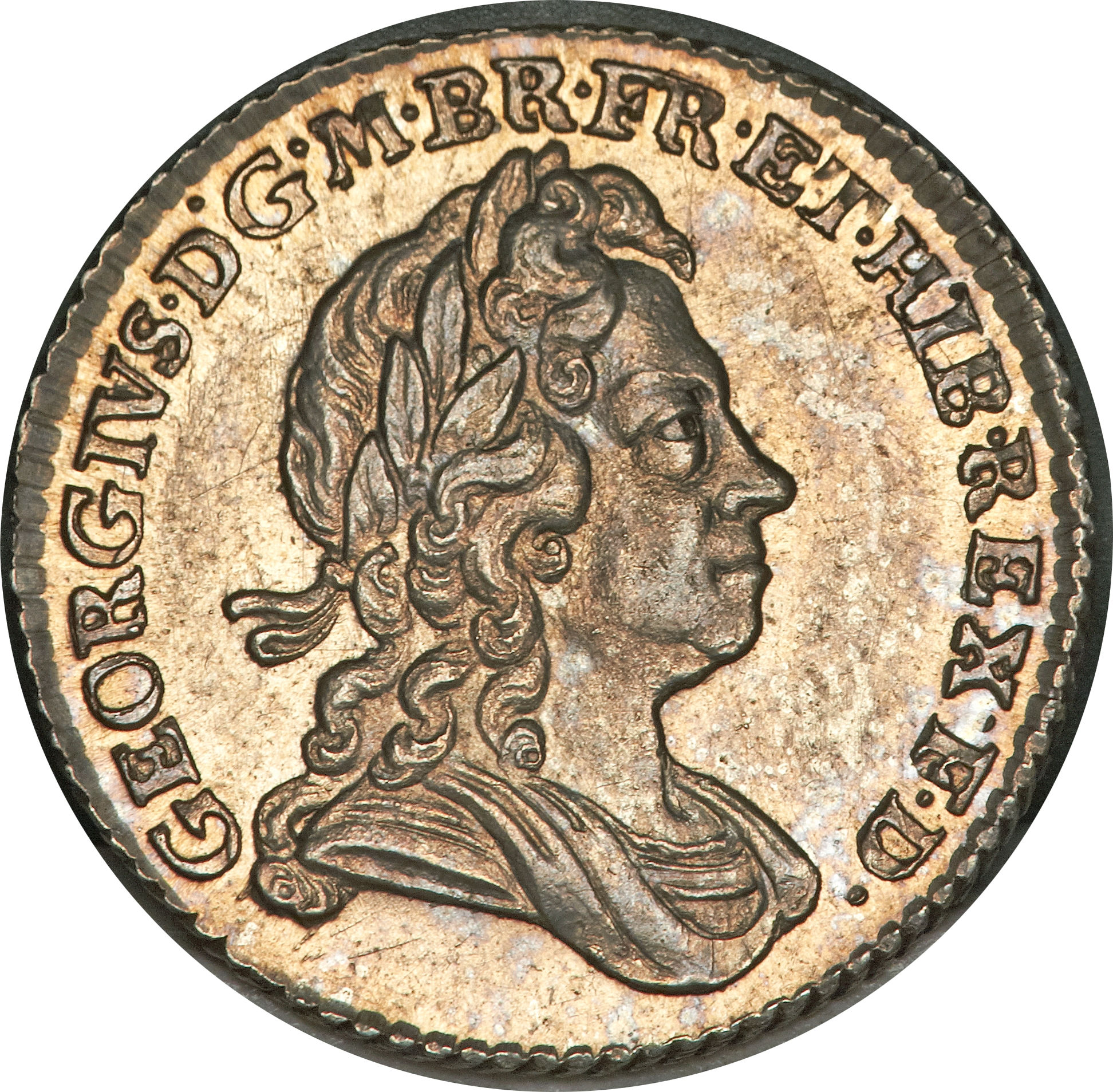
Laureate and draped bust of King George I right, legend around.
GEORGIVS D G M BR FR ET HIB REX F D
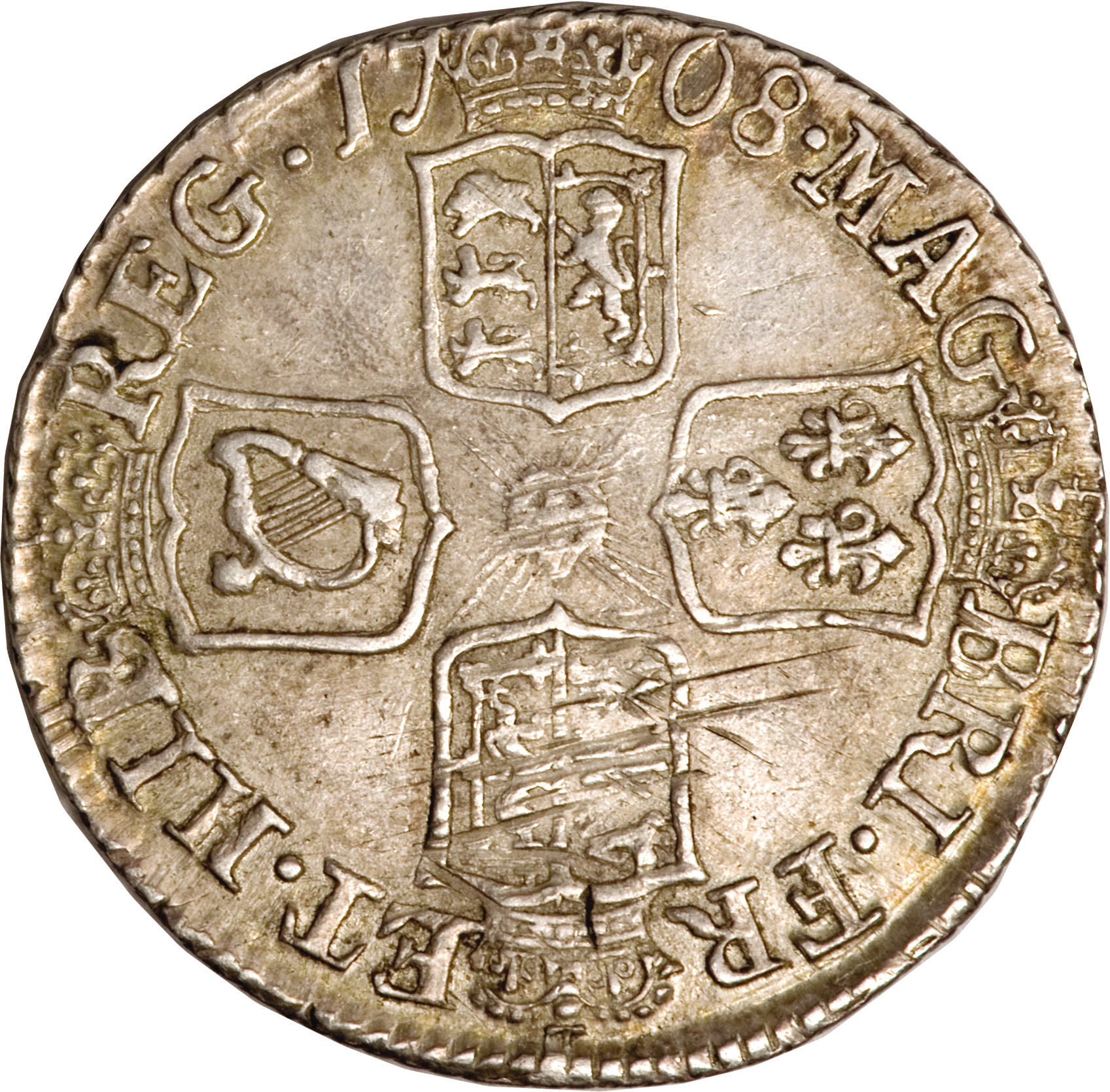
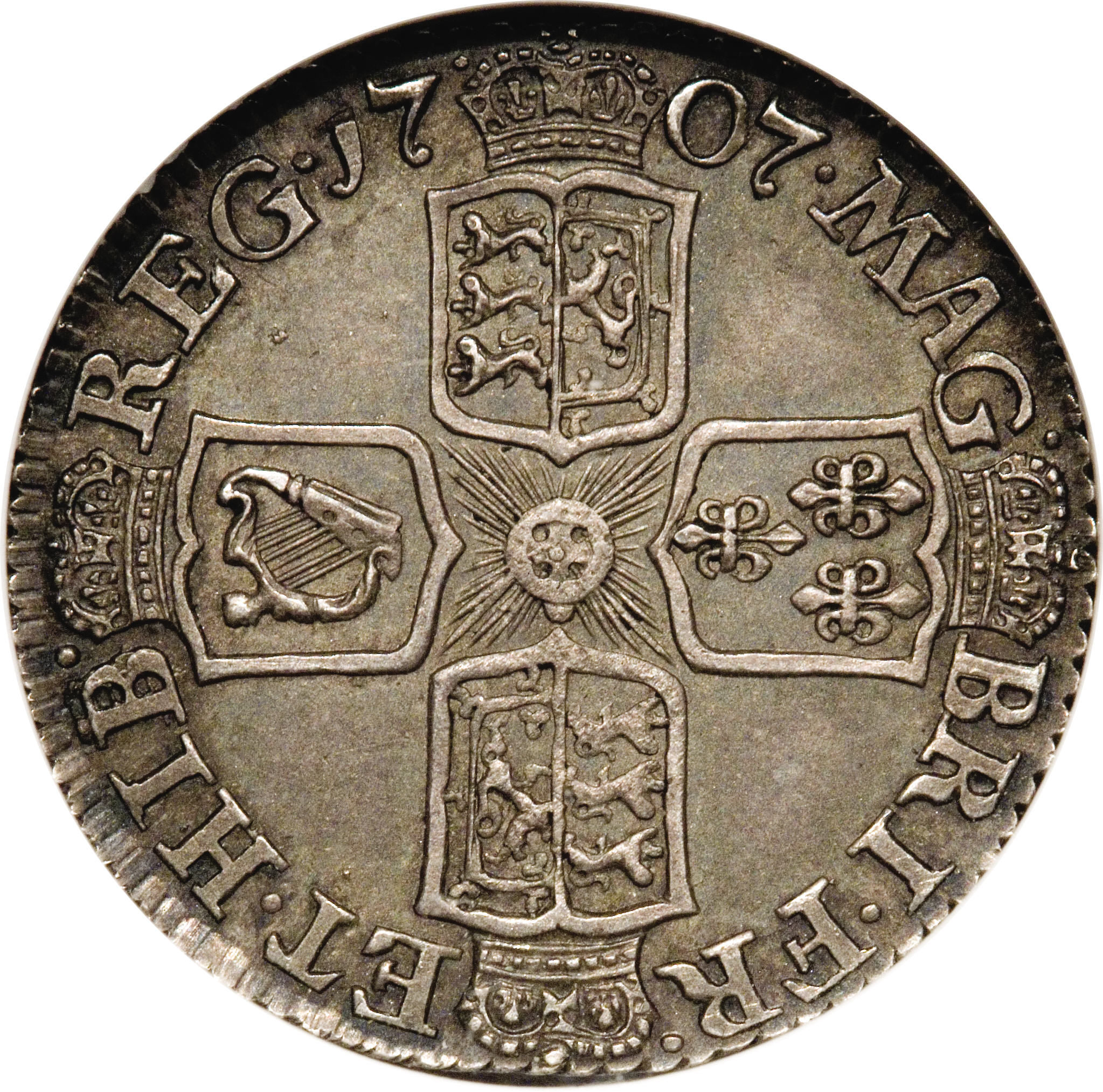
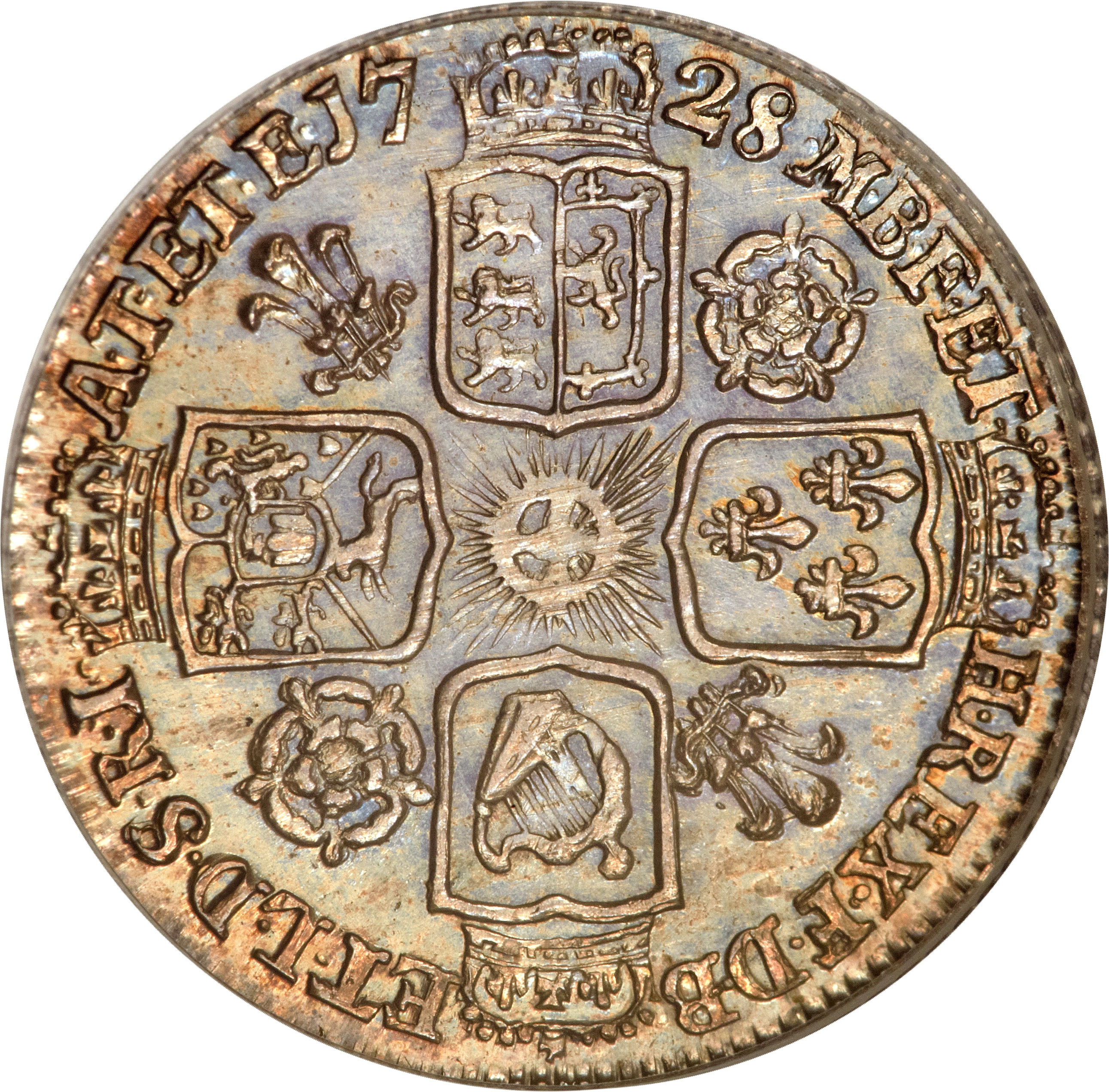
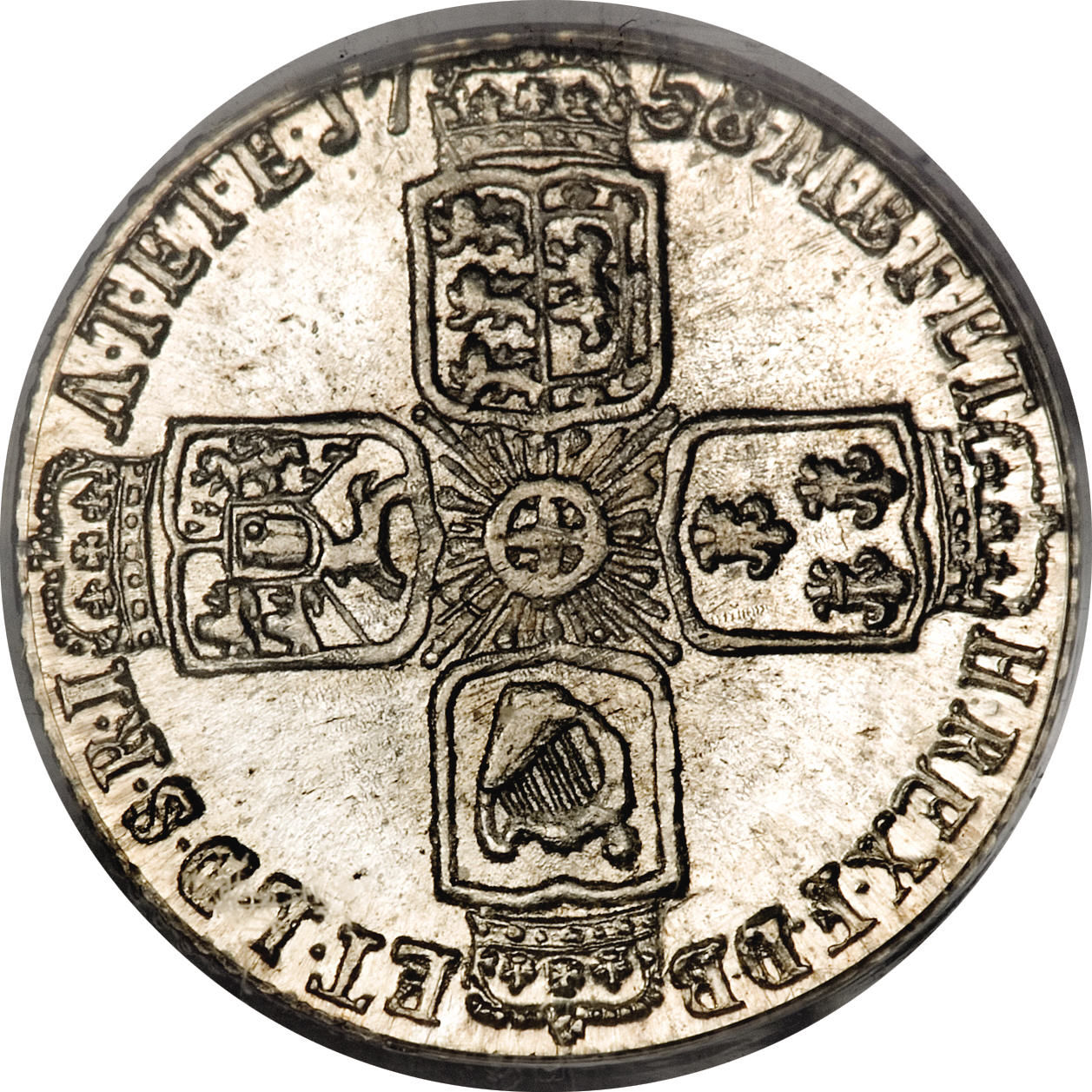
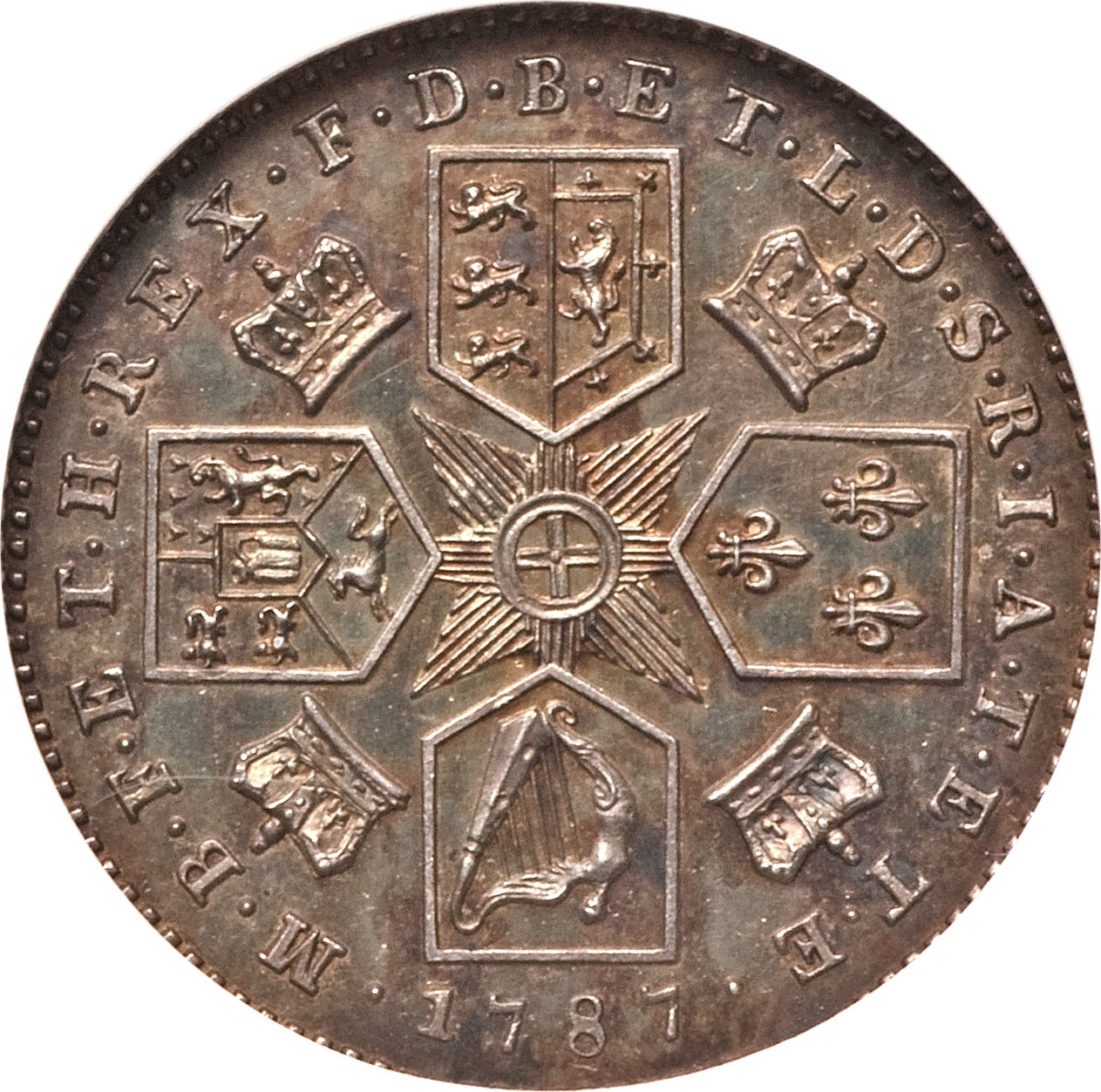
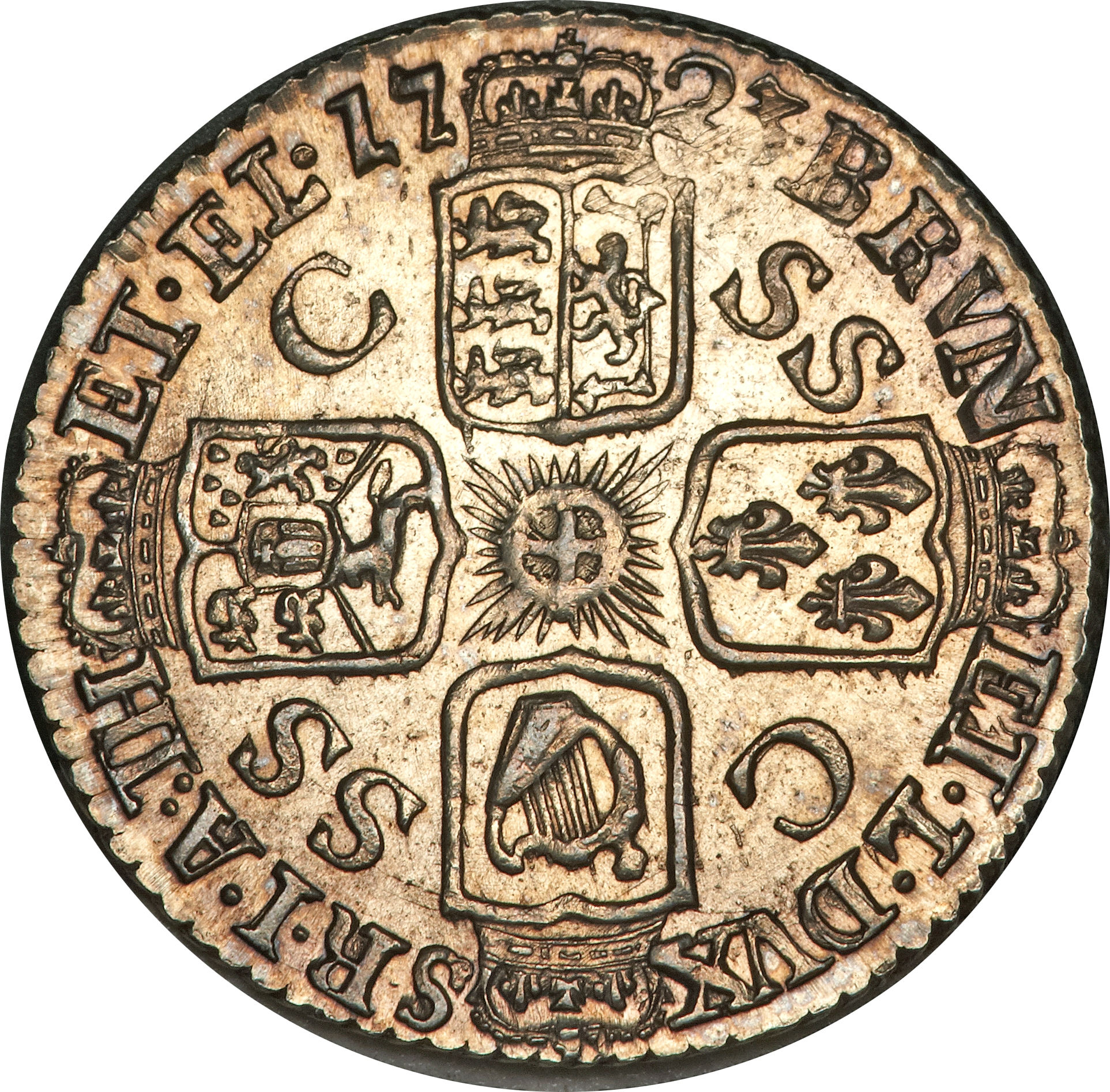
Crowned cruciform shields around central Garter star, divided date above, legend around.
BRVN ET L DVX S R I A TH ET EL
6 Pence - George I market value
Find this on eBay
Affiliate6 Pence - George I value by grade
Realised auction prices · ⭐ Pro Expand rows for individual sale records| Grade | Latest | Median | 30d Δ | All-time range | Sales (1yr) | Total sales | Last sale | |
|---|---|---|---|---|---|---|---|---|
| EF | £380.00 🔒 | £380.00 (1) | – | £380.00 – £380.00 | 0 | 1 | 05-06-2006 | |
|
Loading…
|
||||||||
| VF | £340.00 🔒 | £340.00 (1) | – | £160.00 – £380.00 | 0 | 3 | 03-09-2023 | |
|
Loading…
|
||||||||
| F | £160.00 🔒 | £160.00 (1) | – | £50.00 – £180.00 | 0 | 5 | 01-12-2024 | |
|
Loading…
|
||||||||
About the 1717 6 Pence - George I
The 1717 6 Pence - George I is a circulating 6 pence coin issued from 1717 to 1726, struck in 92.5% silver. It weighs 3g and measures 21mm across. Reverse design: Crowned cruciform shields around central Garter star, divided date above, legend around.
It is no longer legal tender, so its value is to collectors only.
Common questions
How much is the 1717 6 Pence - George I worth?
Verified sold prices for the 1717 6 Pence - George I run from £160 to £380 across 3 grades, taking the median for each grade. Condition makes the difference, so check the grade table above before pricing one. Its silver content is worth about £3.57 at today's spot price, which puts a floor under its value.
How many George I sixpences were made?
No year-by-year mintage figure has been published for George I sixpences, so scarcity is judged from the dates and marks that survive. Only four dates were struck: 1717, 1720, 1723 and 1726. Wikipedia calls the 1723 SSC sixpence common in most grades.
What does SSC mean on a 1723 sixpence?
SSC stands for the South Sea Company. The letters SS and C sit in the angles of the reverse to show that the silver came from the Company, which brought South American silver into the Mint in 1723. Crowns, half crowns and shillings carry the same mark.
Is the plain edge 1717 sixpence a proof?
No. Tony Clayton records a scarce plain edge version of the 1717 sixpence that was issued without milling in error, and states plainly that these are not proofs. Check that the edge is original and has not been smoothed after striking.
Who designed the George I sixpence?
John Croker, the Royal Mint's Chief Engraver from 1705 until his death in 1741, engraved the dies for the gold and silver coins of Queen Anne and George I, including the sixpence.
How is the 1717 6 Pence - George I different from the circulating coin?
This is a collector version of the 1717 1 Farthing - George I 'Dump' issue, not the coin found in change. At 3g of 92.5% silver it is lighter than the 5.4g copper circulating coin, so weighing it is the quickest check.
How do I identify the 1717 6 Pence - George I?
Check the weight 3g and diameter 21mm and the metal (92.5% silver) against the specification table on this page. The reverse design is described above.
History and design
The sixpence of George I was struck in only four years: 1717, 1720, 1723 and 1726. Silver coinage was small in this reign because the price of silver had risen and much of the existing coin was being melted, a problem Isaac Newton linked to the overvalued guinea in his report of September 1717.
In 1723 the South Sea Company sent a large consignment of South American silver to the Mint, and Wikipedia records that coin to a value of around 100,000 pounds was struck from it as crowns, half crowns, shillings and sixpences, all marked SSC. It describes the SSC sixpence as common in most grades but rare in mint condition. No mintage by date is published for any George I sixpence.
The obverse shows the laureate bust of George I facing right, draped and in armour, with GEORGIVS D G M BR FR ET HIB REX F D: George, by the grace of God, King of Great Britain, France and Ireland, Defender of the Faith. Tony Clayton notes that the bust was draped on the sixpence but undraped on the half guinea, because sixpences of a similar size were being gilded and passed as gold.
The reverse has four crowned shields arranged as a cross: England impaling Scotland, France, Ireland and the Electorate of Hanover, with the Garter star at the centre. The legend BRVN ET L DVX S R I A TH ET EL and the date give the king's German titles, Duke of Brunswick and Lüneburg, Arch-Treasurer and Elector of the Holy Roman Empire. The angles carry roses and plumes, provenance marks the Royal Mint Museum links to the Company for smelting lead with pit coal and sea coal, or SS and C on the 1723 coins. John Croker engraved the dies.
Varieties and errors
Clayton records a scarce 1717 sixpence with a plain edge, issued without milling in error and not a proof. The 1723 SSC is the only George I sixpence with that mark. Coin Hunter also lists a 1723 type with larger lettering and describes the 1726 marks as small roses and plumes.
Collecting notes
Start with the reverse: roses and plumes or SSC in the angles, and a clear date. On a 1717, read the edge carefully, since an apparently plain edge may simply be worn. Wear shows first on the hair and the drapery, and on the crowns over the shields.
Gilded sixpences passed as half guineas were a known problem in the period, so a gold-coloured example needs checking for weight and metal. The George I shilling shares the same reverse arrangement.
Sources
The history, design, varieties and collecting notes on this page are drawn from these sources. Prices come from recorded sales, not from them.
- Sixpence, Tony Clayton, Coins of the UK (read 12 Oct 2026)
- Quarter guinea, Wikipedia (read 12 Oct 2026)
- Values of Sixpences, Tony Clayton, Coins of the UK (read 12 Oct 2026)
- Coin values by year, George I (year pages 1717, 1720, 1723 and 1726, read one by one), Coin Hunter (read 12 Oct 2026)
- Sixpence coin of George I (1723, SSC), Science Museum Group, via Museum Data Service (read 12 Oct 2026)
- South Sea Company coinage, Wikipedia (read 12 Oct 2026)
- George II, Royal Mint Museum (read 12 Oct 2026)
- John Croker (engraver), Wikipedia (read 12 Oct 2026)
- Ten Shillings and Half Guinea, Tony Clayton, Coins of the UK (read 12 Oct 2026)
- Guinea (coin), Wikipedia (read 12 Oct 2026)
More 6 Pence coins from nearby years