1 Penny - George II incl. Maundy (1729–1760)
| Country | United Kingdom |
| Year | 1729–1760 |
| Denomination | 1 Penny |
| Mint | Royal Mint · Llantrisant |
| Series | Maundy Money |
| Circulation | Non-circulating |
| Demonetised | Yes |
| Composition | Silver (.925) (925/1000 fine) |
| Weight | 0.500g · 0.0149 t oz |
| Diameter | 12.0mm |
| Shape | Round |
| Orientation | Coin alignment ↑↓ |
| Grade scale | UK (EF/UNC) |
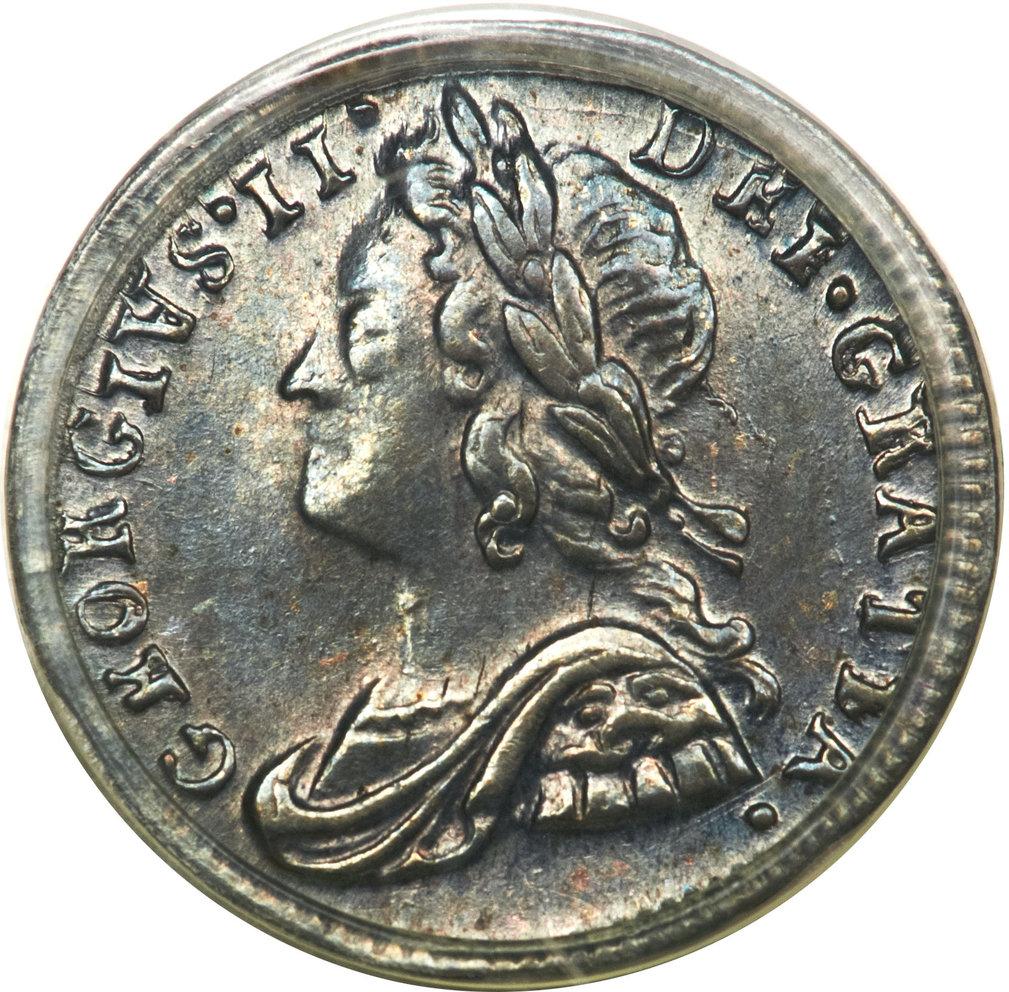
Young laureate and cuirassed bust of King George II left, legend around.
GEORGIVS II DEI GRATIA
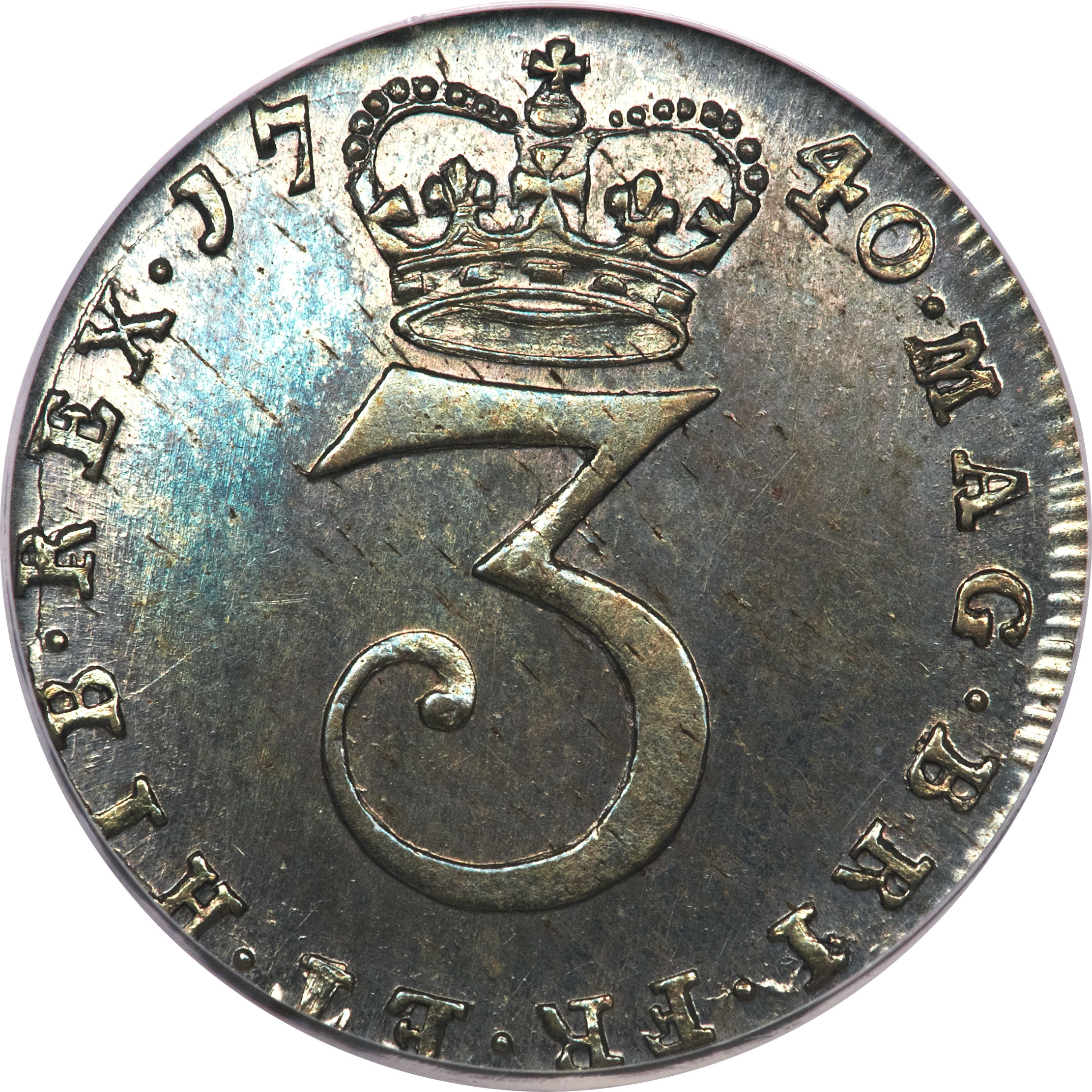
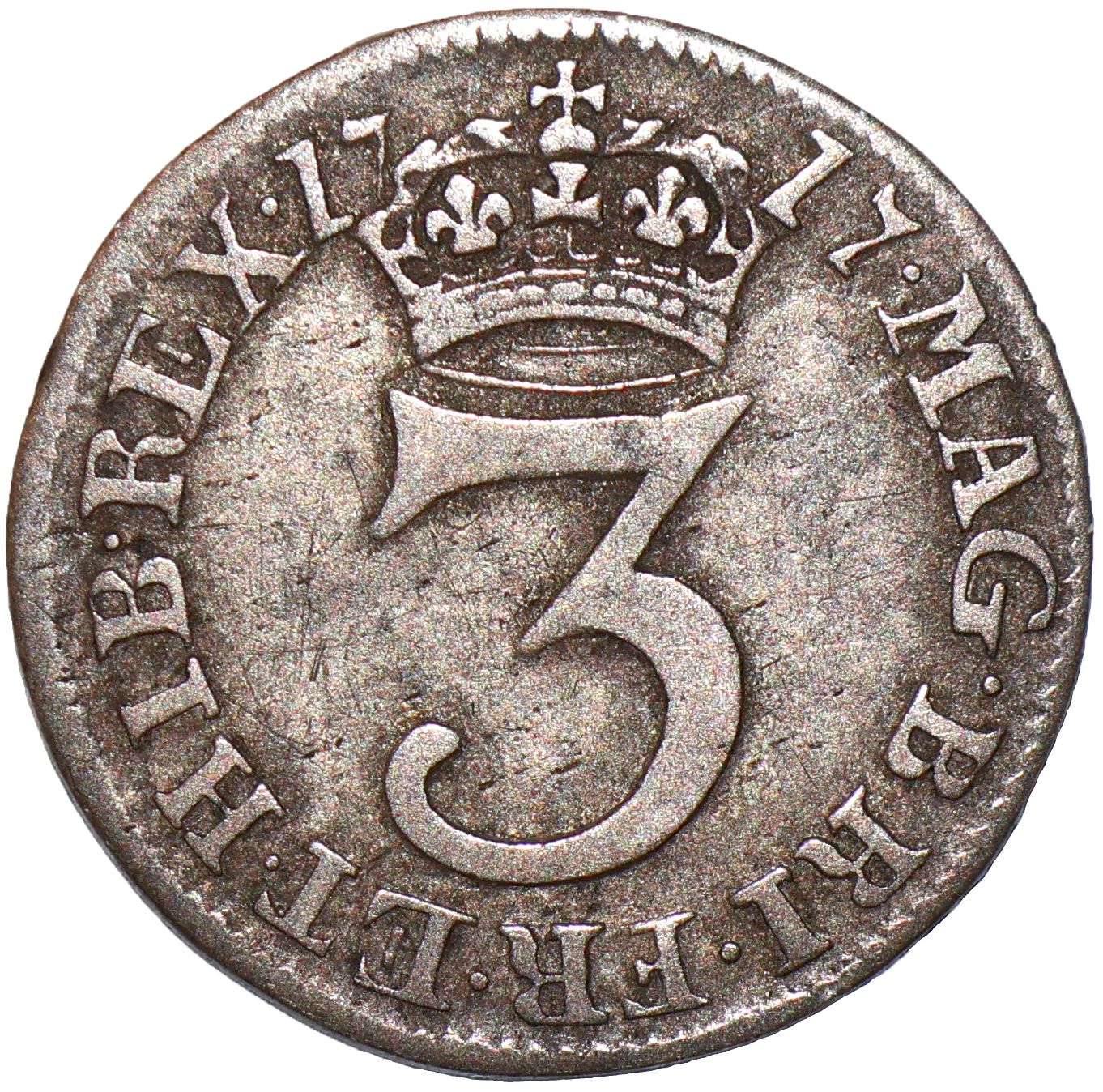
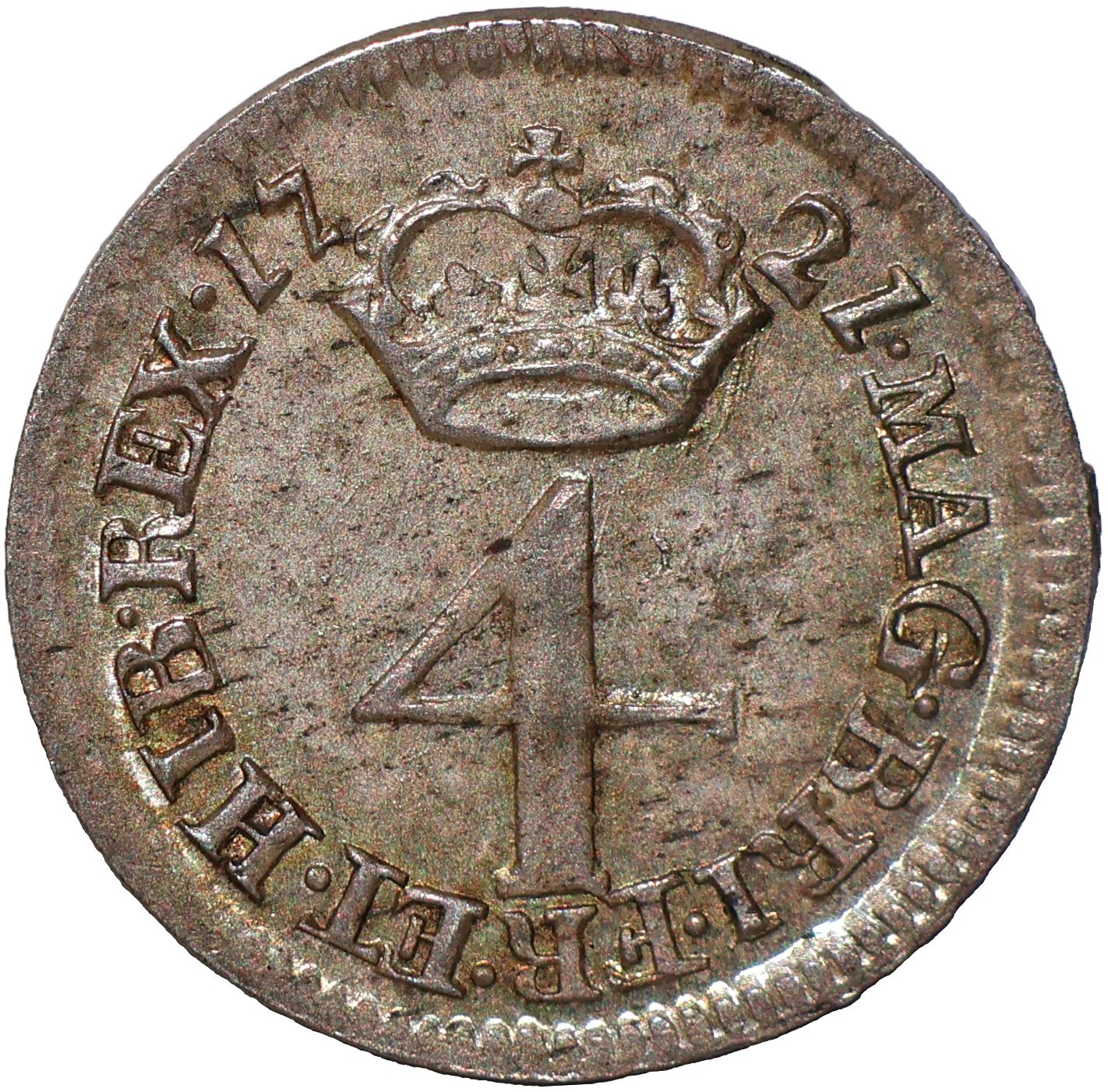
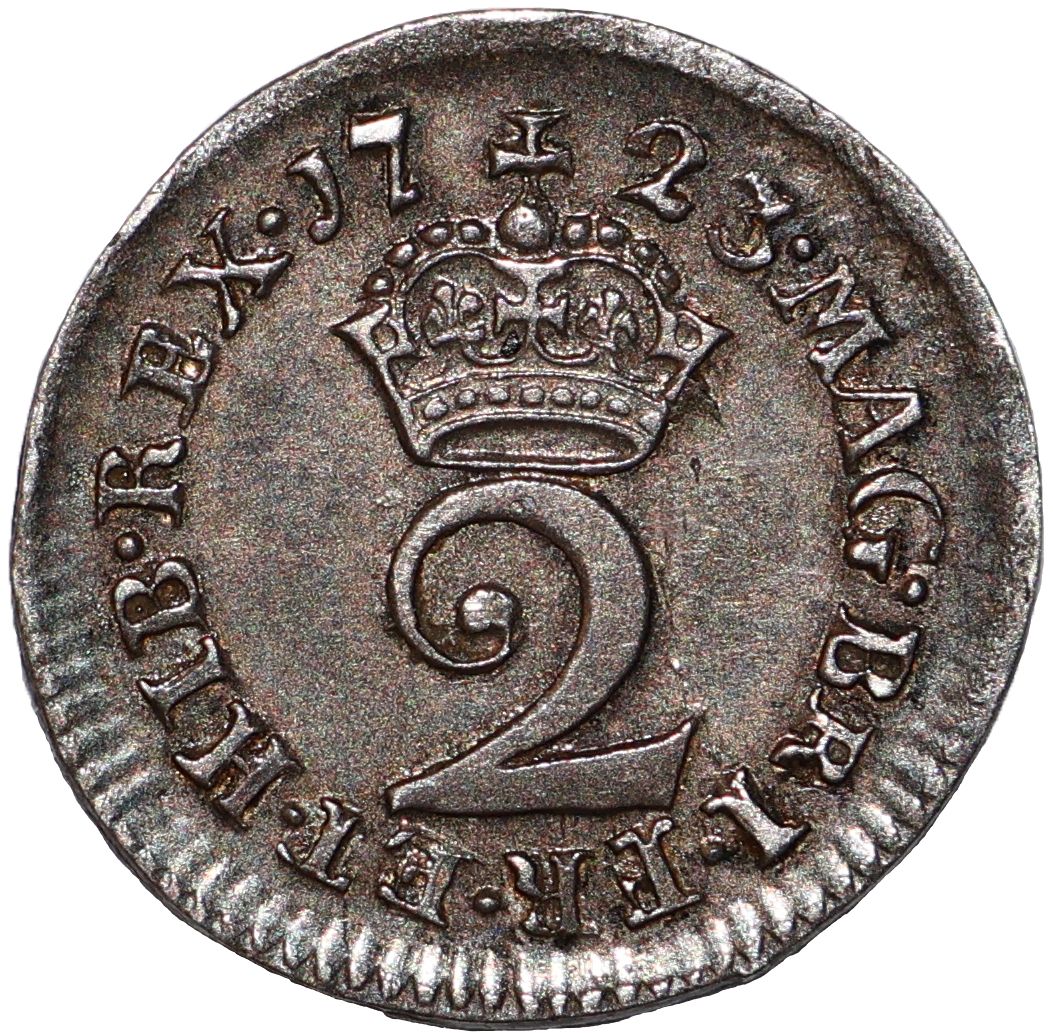
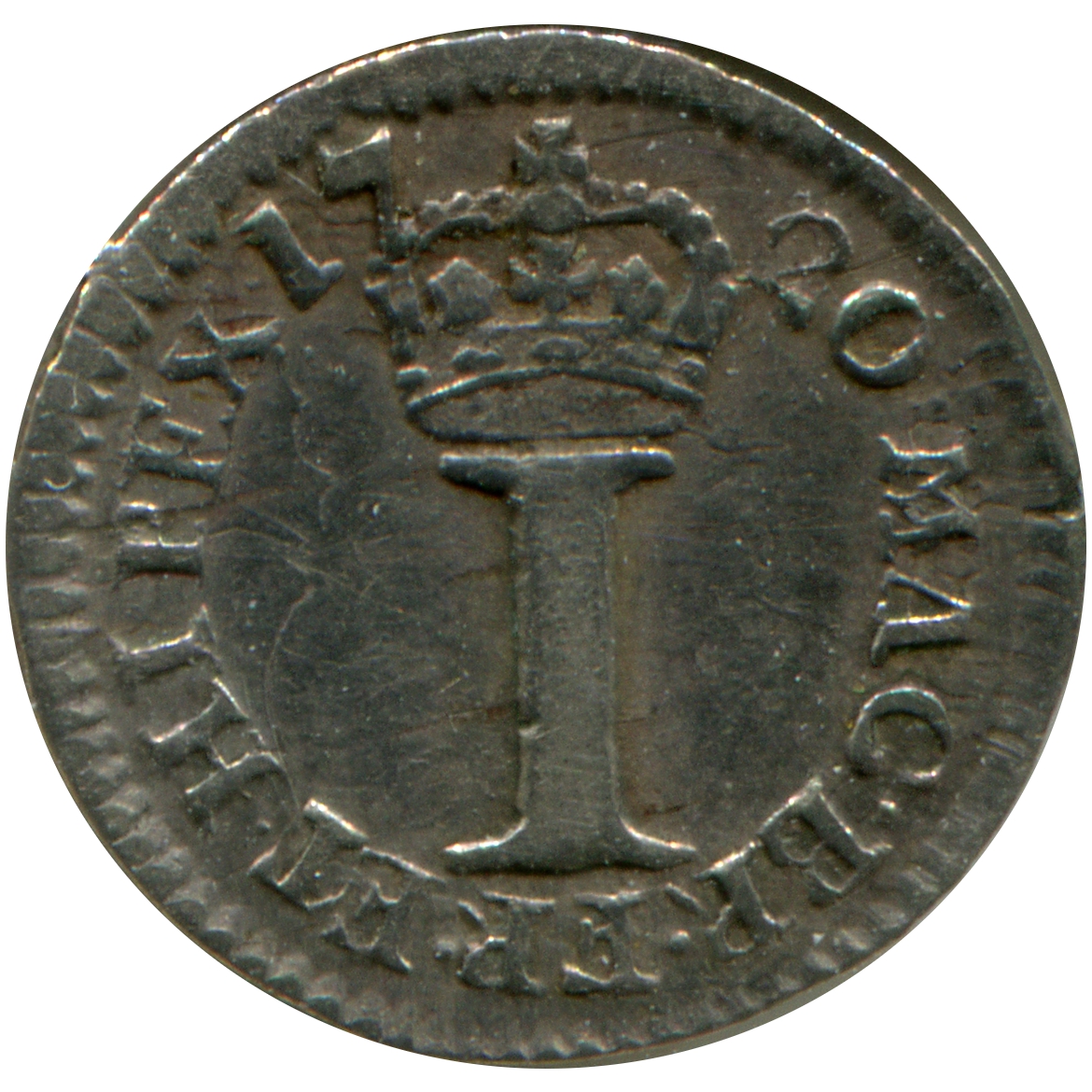
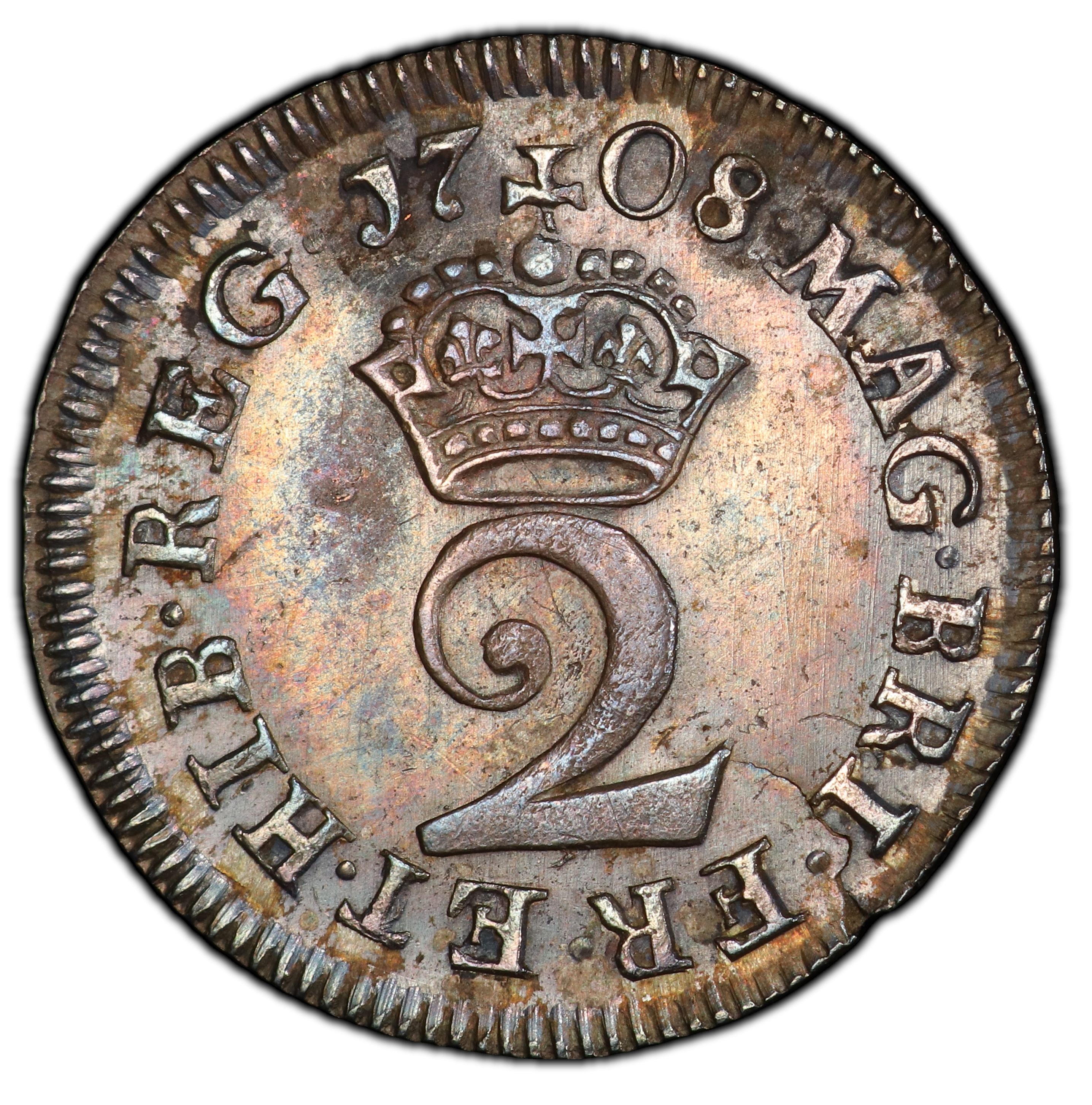
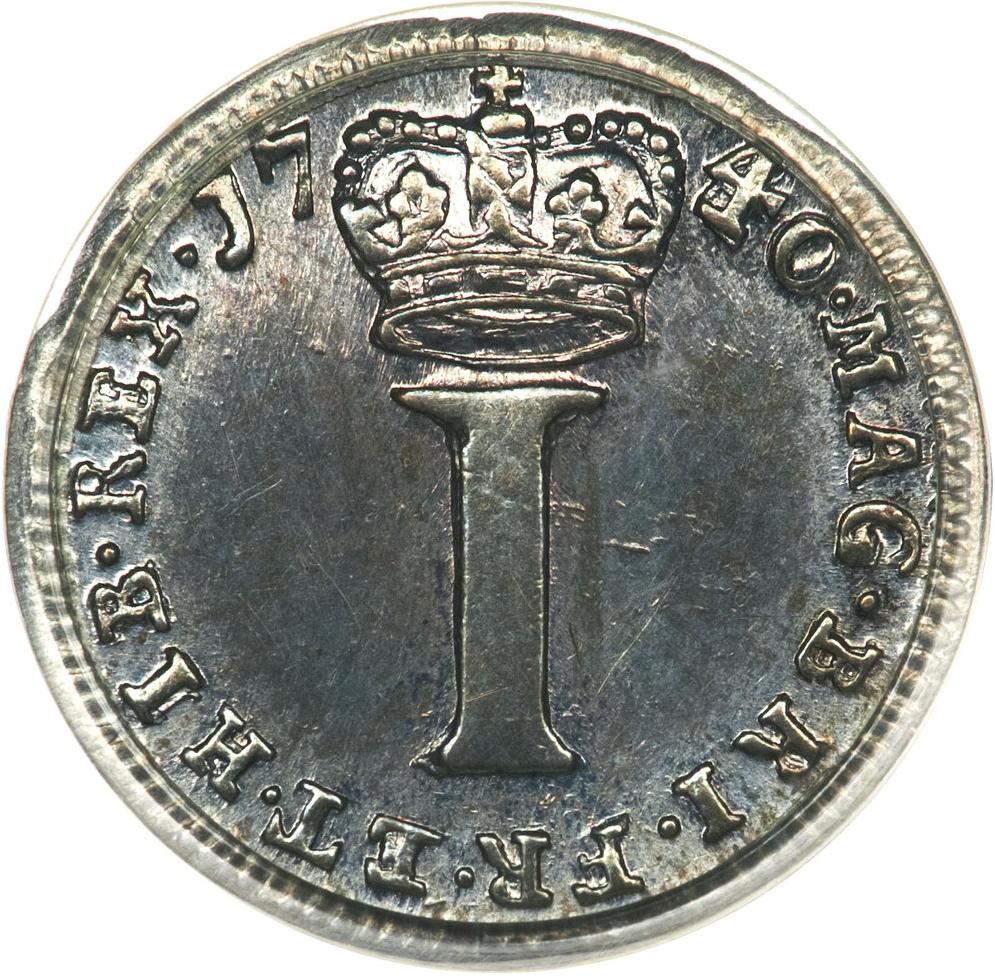
Large central denomination below crown dividing date, legend around.
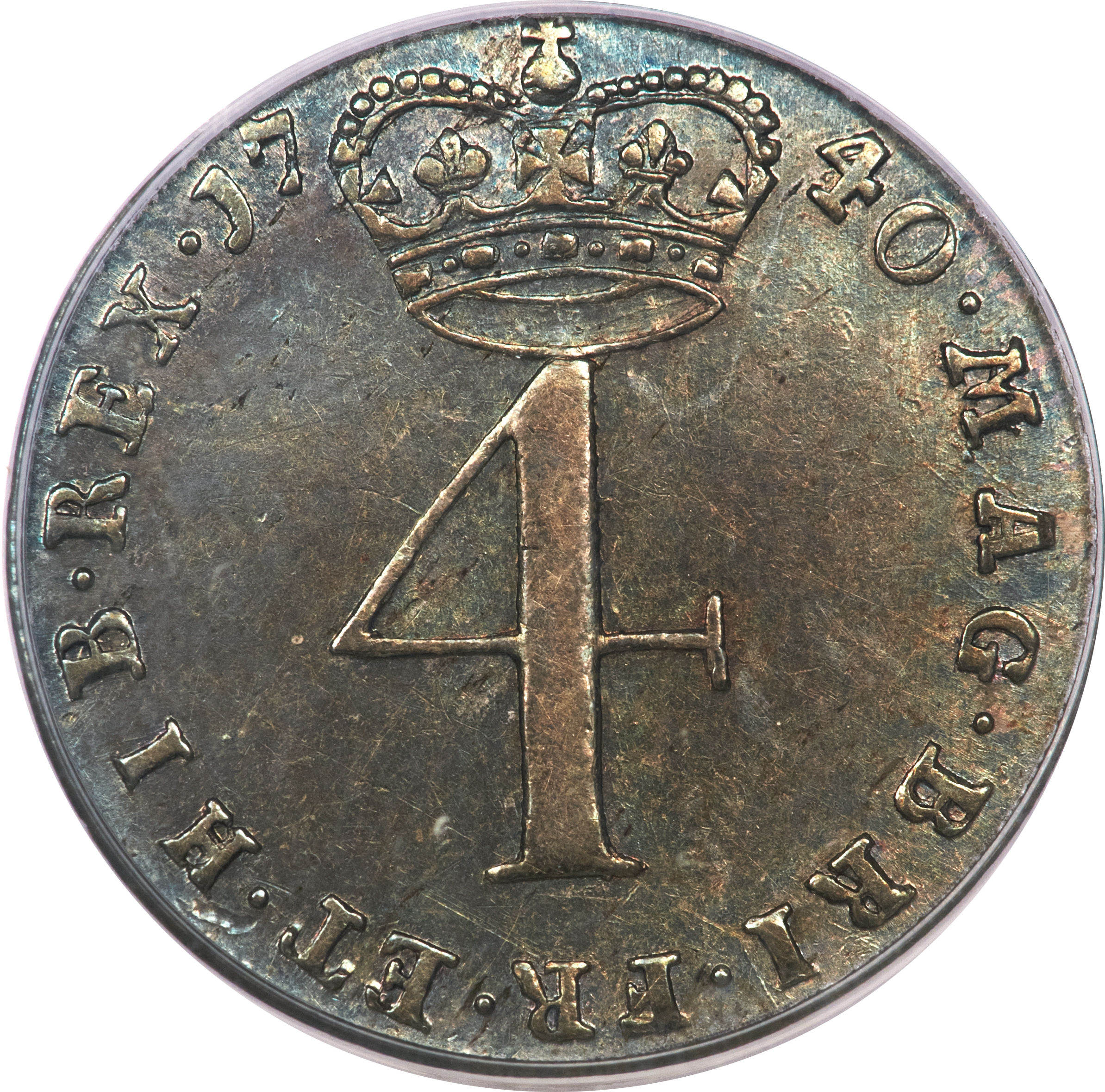
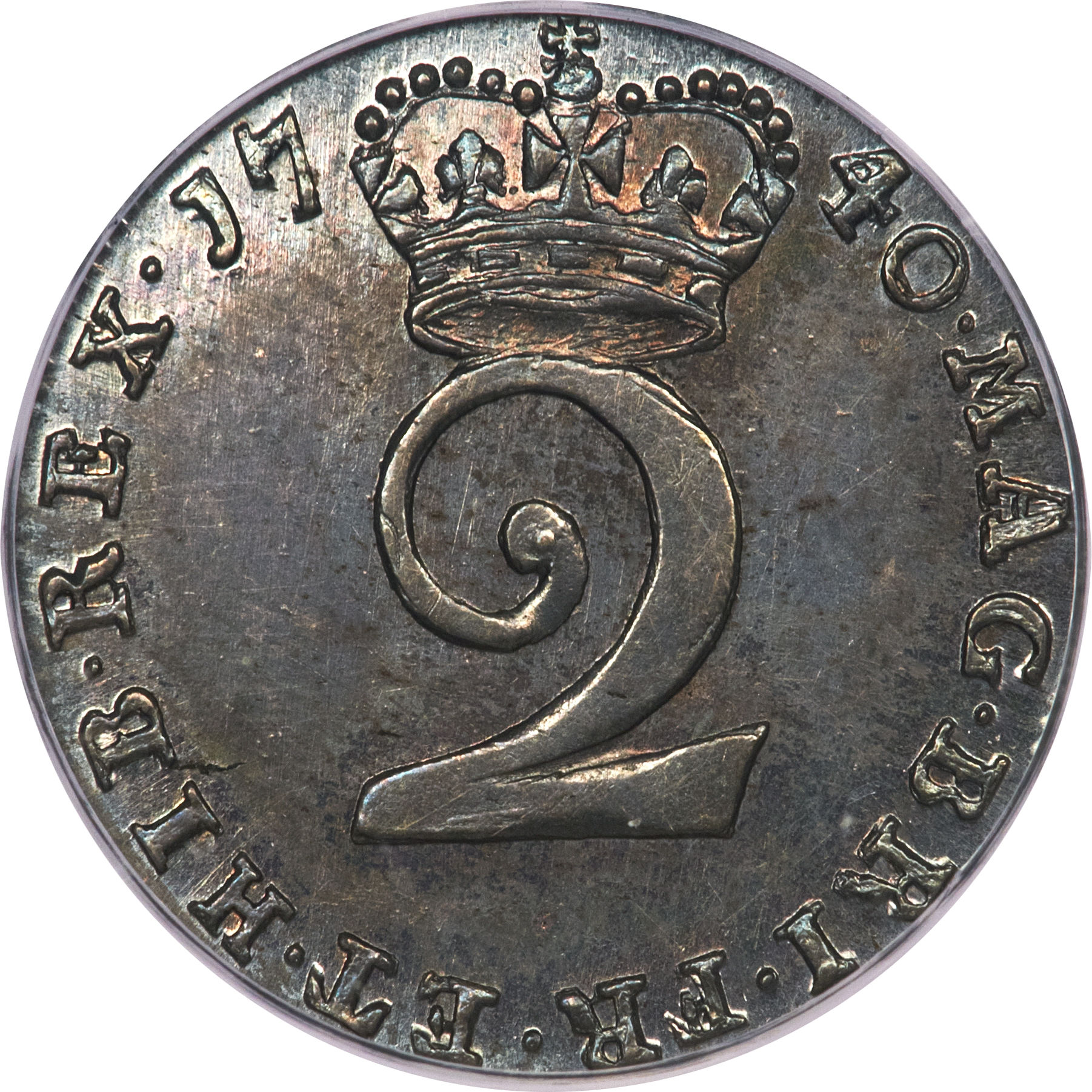
MAG BRI FR ET HIB REX
Find this on eBay
Affiliate1 Penny - George II incl. Maundy price history
Daily limit reachedAbout the 1729 1 Penny - George II incl. Maundy
The 1729 1 Penny - George II incl. Maundy is a collector 1 penny coin issued from 1729 to 1760 in the Maundy Money series, struck in 92.5% silver. It weighs 0.5g and measures 12mm across. Reverse design: Large central denomination below crown dividing date, legend around.
It is no longer legal tender, so its value is to collectors only.
Common questions
How much is the 1729 1 Penny - George II incl. Maundy worth?
No verified sale of the 1729 1 Penny - George II incl. Maundy has been logged on MyCoinage yet.
Which dates were George II silver pennies struck?
Wikipedia lists 1729, 1731, 1732, 1735, 1737, 1739, 1740, 1743, 1746 and 1750, then every year from 1752 to 1760. Tony Clayton's Maundy list agrees and shows the penny alone in most years from 1750 to 1759.
Why is there no 1733 or 1744 Maundy penny?
Wikipedia explains that the year in Britain still began on 25 March, and in the twelve-month periods labelled 1733 and 1744 Maundy Thursday did not fall, so no pennies carry those dates.
Why does the penny show the young George II after 1740?
Other coins took an older bust from about 1740, but the penny did not. Wikipedia cites Brian Robinson's view that cutting a new bust, about 12 weeks' work for an engraver, was not worth it for a coin struck in such small numbers.
Is a George II Maundy penny legal tender?
Technically yes. Wikipedia's Royal Maundy article describes Maundy coins as legal tender, and Tony Clayton notes that the whole Maundy series was revalued as new pence in 1971, so a George II penny counts as 1p, though it is only ever collected.
How do I identify the 1729 1 Penny - George II incl. Maundy?
Check the weight 0.5g and diameter 12mm and the metal (92.5% silver) against the specification table on this page. The reverse design is described above.
History and design
During the 18th century the silver penny was a tiny coin seldom seen in change. Wikipedia's history of the penny says most pennies after 1727 were probably made for the Maundy, with mintages enough for that purpose but not for general circulation. At times enough were struck at once to last several years, which leaves gaps in the dates, and by 1727 the price of silver meant the Mint made each one at a loss.
The Royal Maundy article adds that before 1731 there is no record of any coin higher than the penny being used in the Maundy gift, and that only from 1752 were coins not struck for circulation used for the distribution. Clayton's Maundy list shows the penny as the only Maundy coin in 1750, 1752 to 1755, 1757 and 1758. No mintage figures are published for any date.
The obverse carries a laureate, draped bust of George II in armour facing left, with GEORGIVS II DEI GRATIA. The legend continues on the reverse as MAG BRI FR ET HIB REX and the date, around a crowned numeral 1, as Wikipedia and Science Museum Group examples of 1740 and 1746 record. The coin is about 12 mm across and 0.5 g; the museum examples weigh 0.47 to 0.51 g.
When the other coins took an older portrait from 1740, the penny kept the young bust. Wikipedia cites Brian Robinson's suggestion that 12 weeks of an engraver's time on new dies was not worth spending on a coin struck in such small quantities.
Varieties and errors
Clayton lists a 1746 penny with the 6 over a 3, and 1757 pennies both with and without a colon after GRATIA.
Collecting notes
The penny is the only denomination struck in many of the later years, so it covers dates that complete sets do not. The legend is very small; check the date and stops with a lens, and look for signs of mounting or piercing. The sister Maundy coins are the twopence and fourpence. Clayton notes that all Maundy pieces were revalued in new pence in 1971.
Sources
The history, design, varieties and collecting notes on this page are drawn from these sources. Prices come from recorded sales, not from them.
- History of the British penny (1714 to 1901), Wikipedia (read 12 Oct 2026)
- Royal Maundy, Wikipedia (read 12 Oct 2026)
- Values of silver pennies, Tony Clayton, Coins of the UK (read 12 Oct 2026)
- Values of Maundy Sets, Tony Clayton, Coins of the UK (read 12 Oct 2026)
- Penny (Maundy Money) of George II, 1740 (V&A no. 1791-1902), Science Museum Group, via Museum Data Service (read 12 Oct 2026)
- Penny (Maundy Money) of George II, 1746 (V&A no. 1793-1902 series), Science Museum Group, via Museum Data Service (read 12 Oct 2026)
- Maundy Money, Tony Clayton, Coins of the UK (read 12 Oct 2026)
More from Maundy Money