4 Pence - George II incl. Maundy (1729–1760)
| Country | United Kingdom |
| Year | 1729–1760 |
| Denomination | 4 Pence |
| Mint | Royal Mint · Llantrisant |
| Series | Maundy Money |
| Circulation | Non-circulating |
| Demonetised | Yes |
| Composition | Silver (.925) (925/1000 fine) |
| Weight | 2.000g · 0.0595 t oz |
| Diameter | 19.0mm |
| Shape | Round |
| Orientation | Coin alignment ↑↓ |
| Obv. artist | John Croker |
| Grade scale | UK (EF/UNC) |
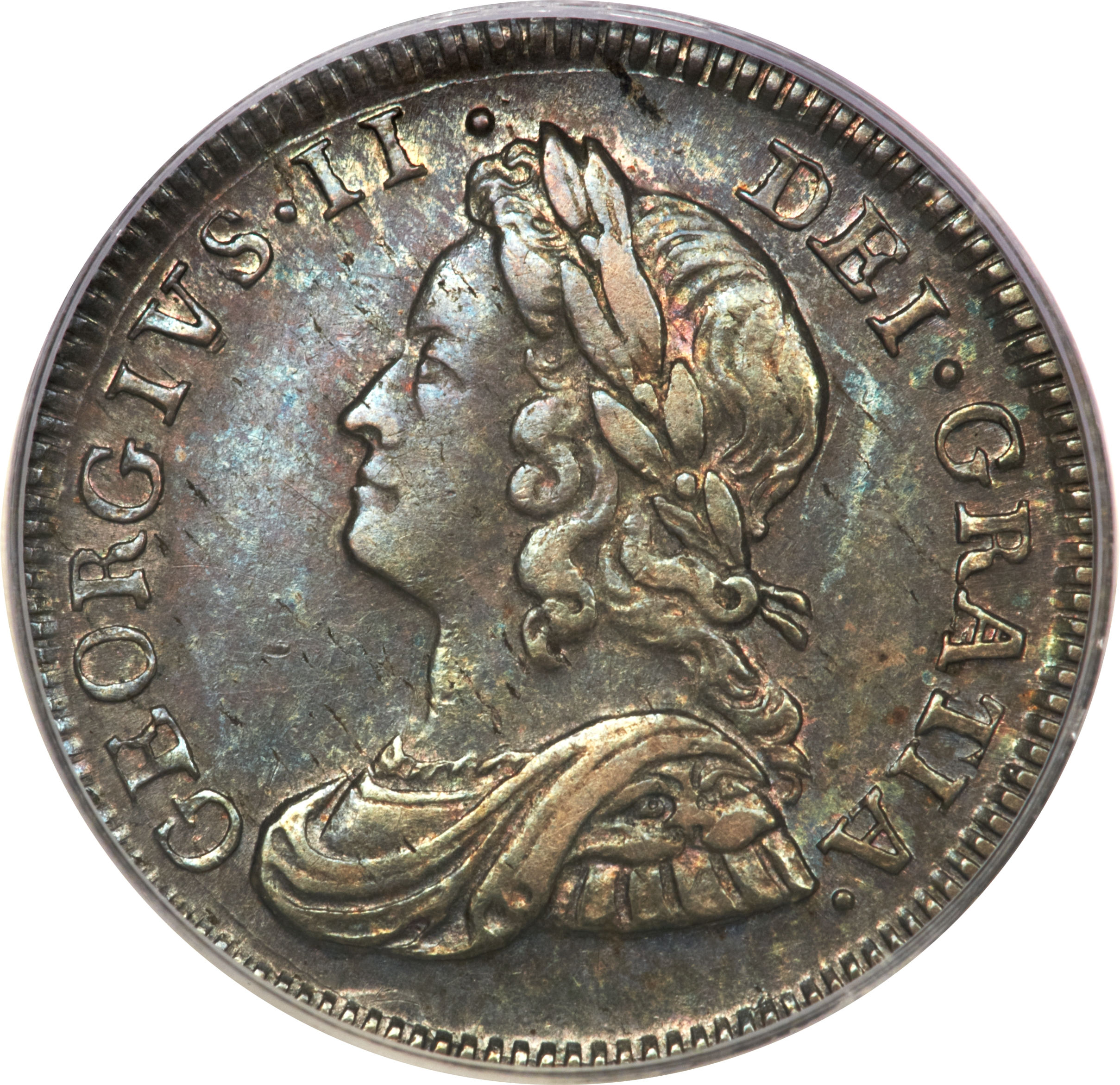
Young laureate and draped bust of King George II left, legend around.
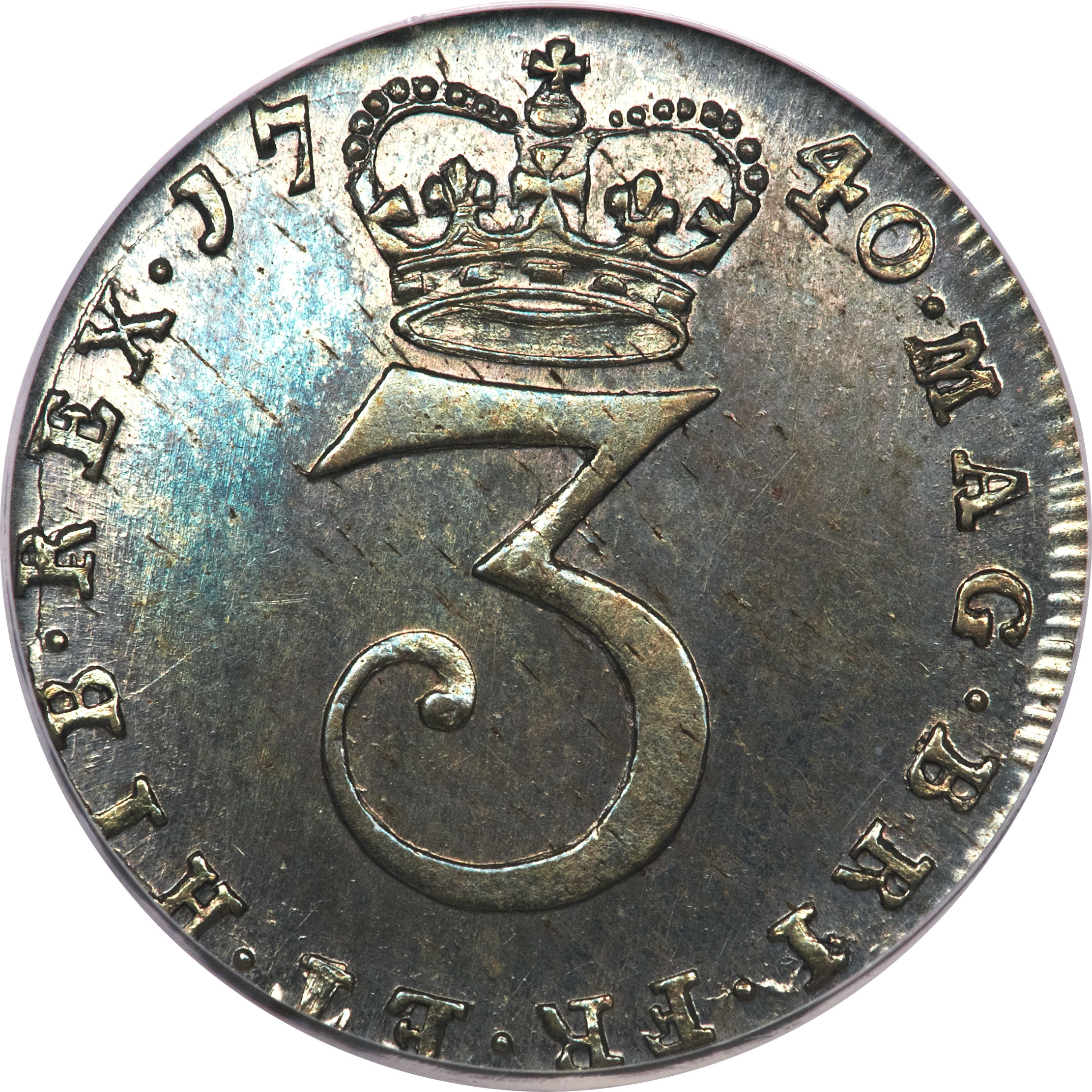
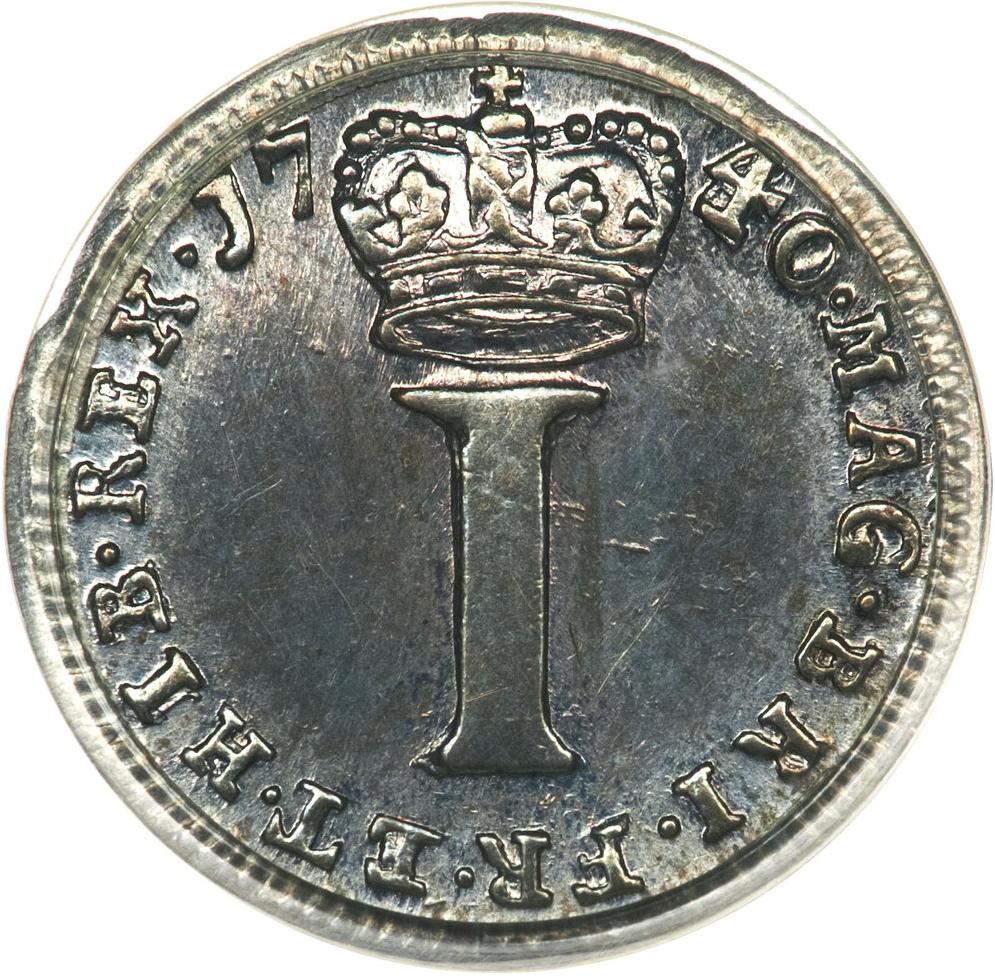
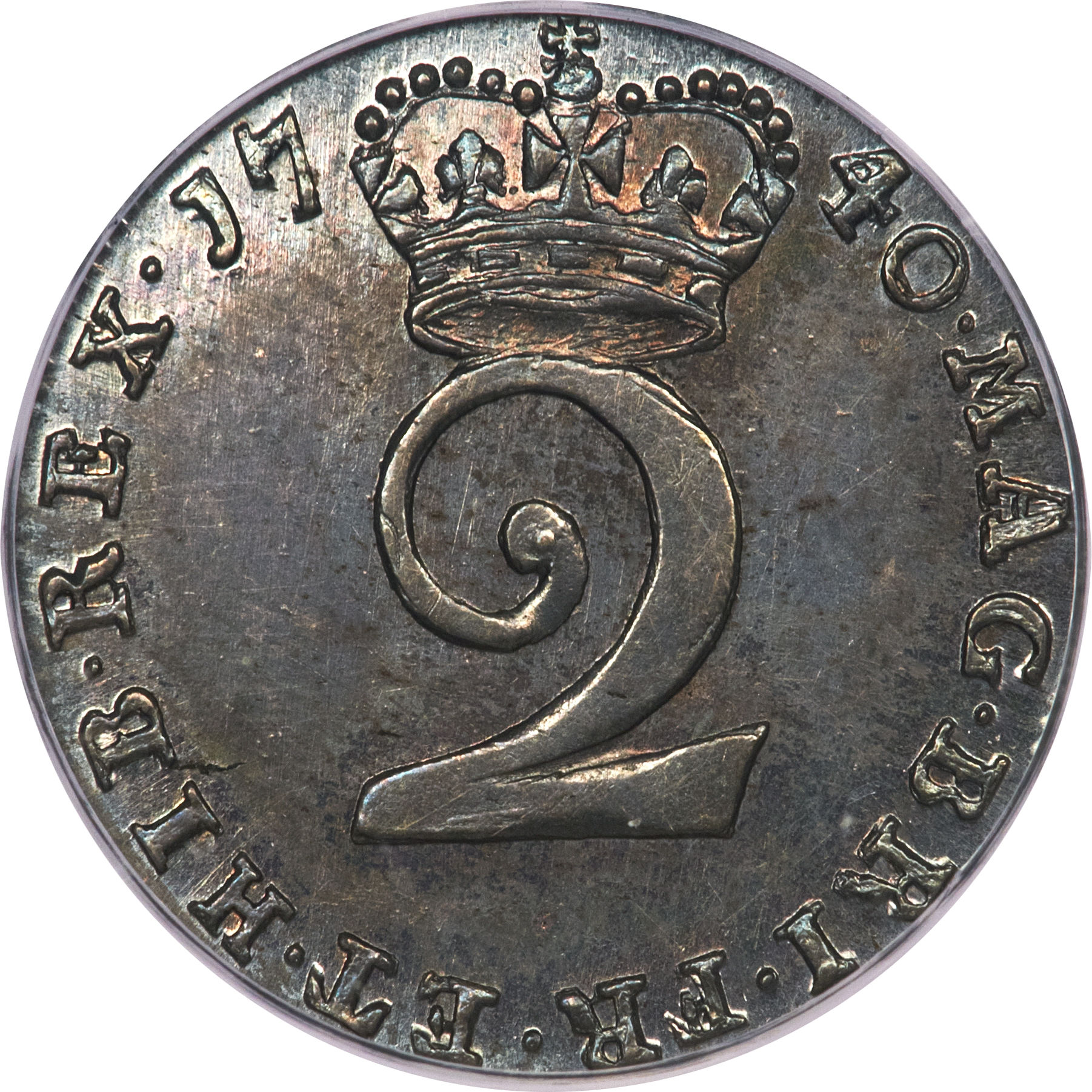
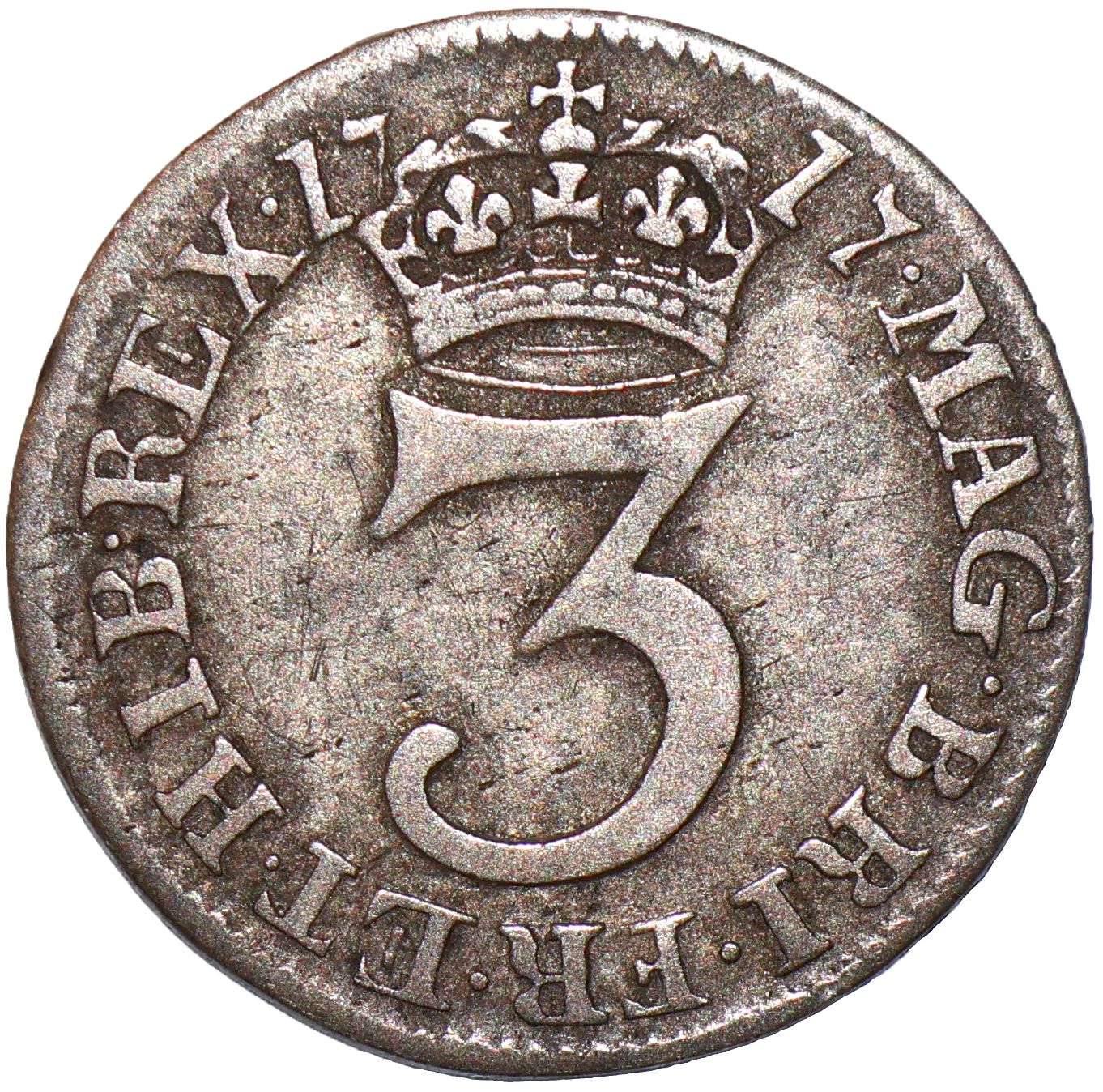
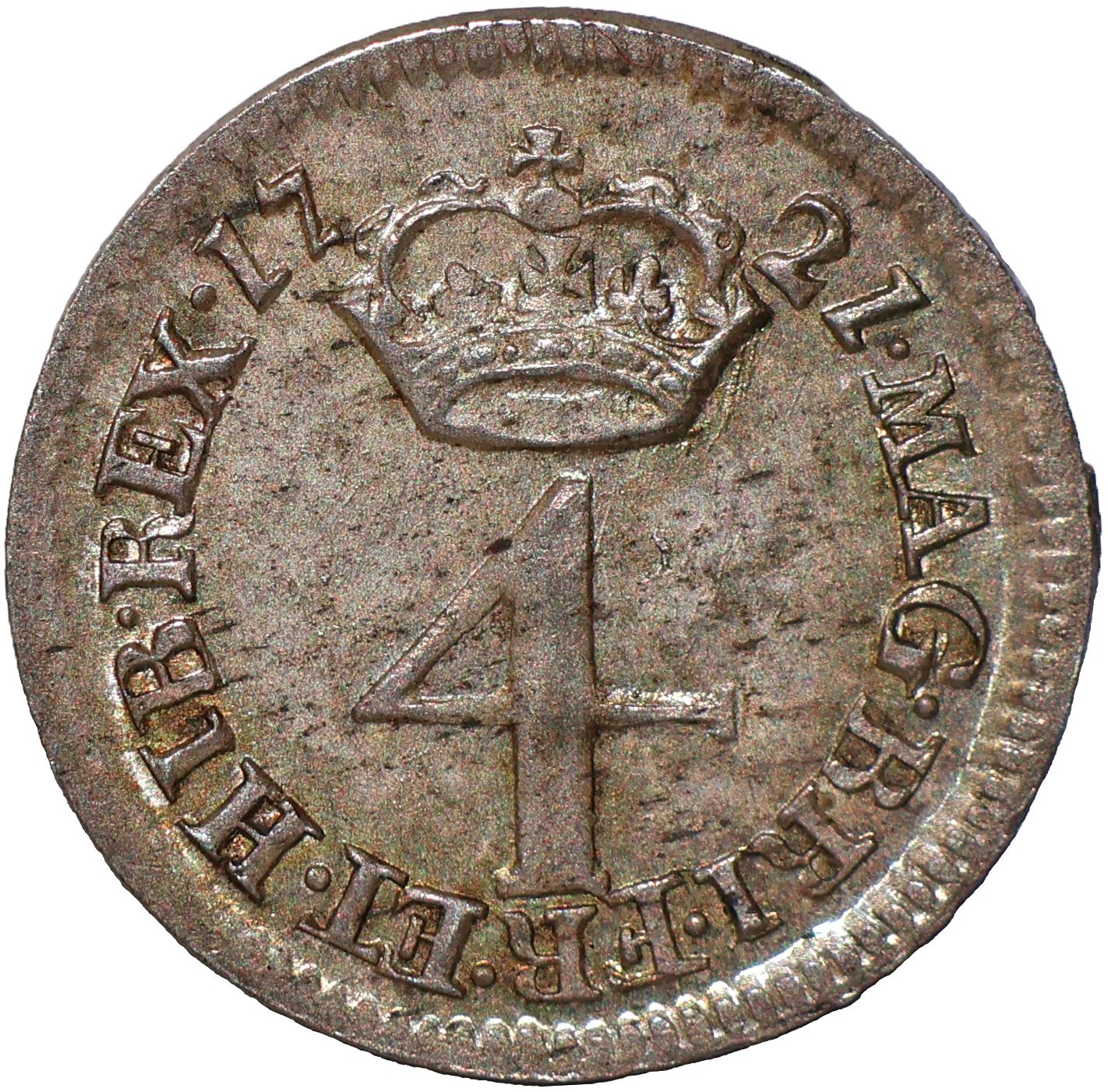
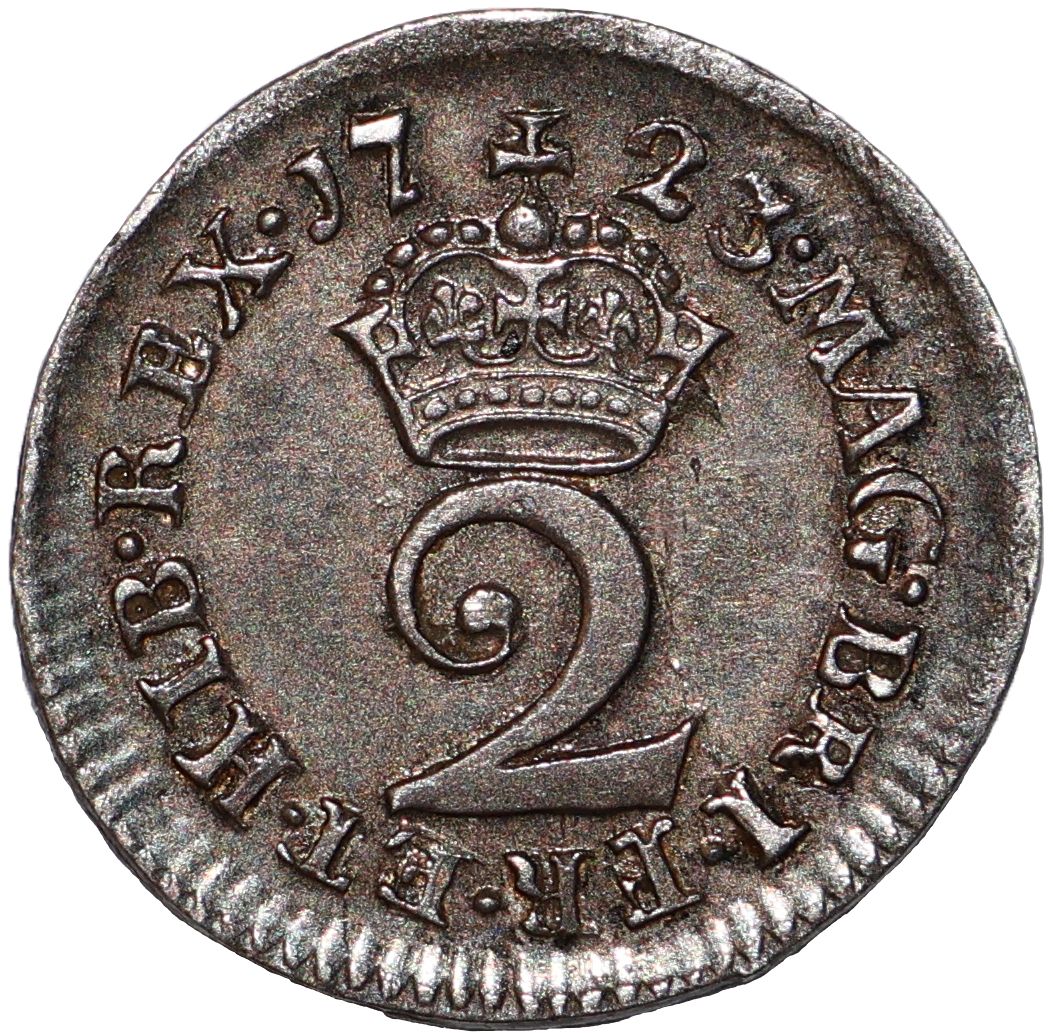
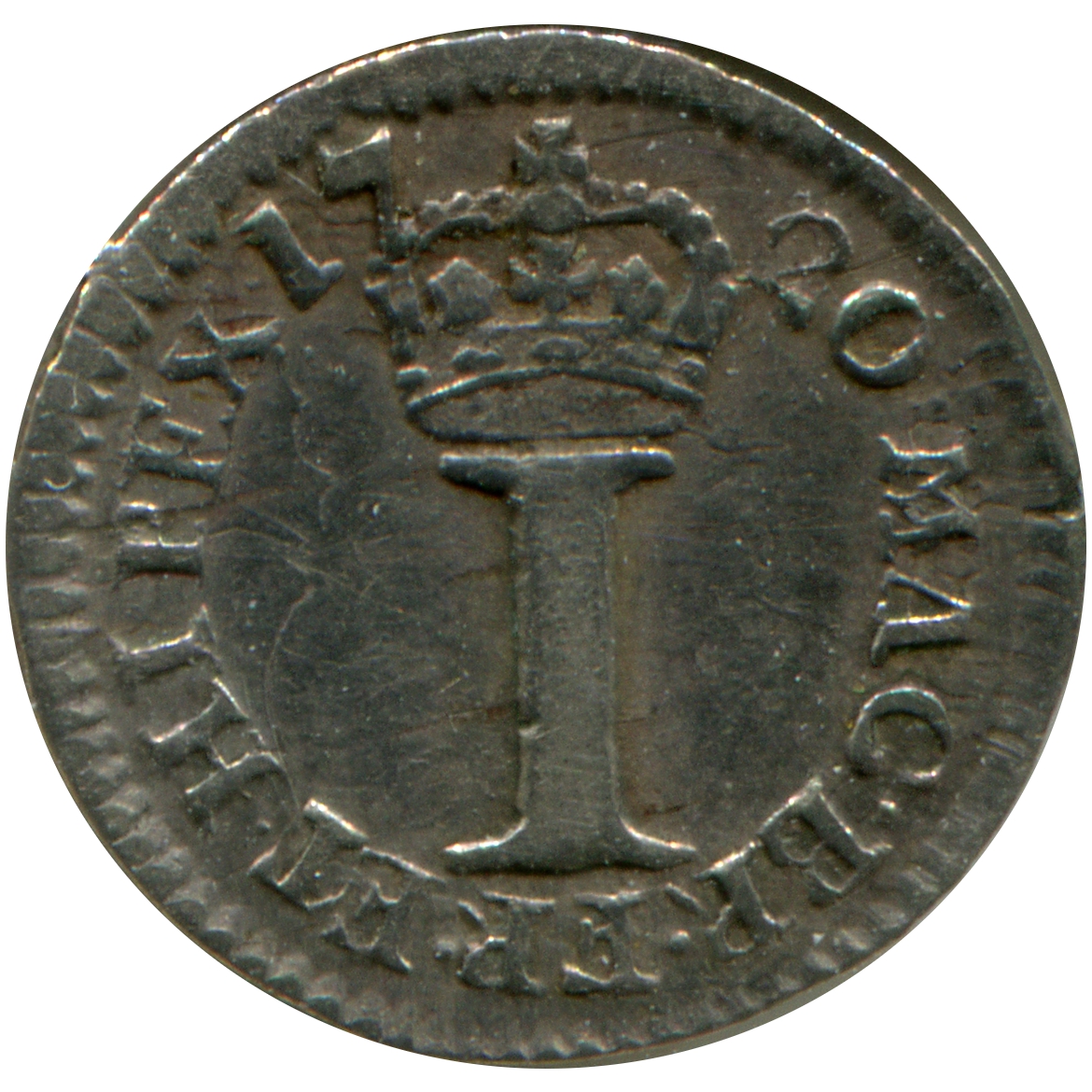
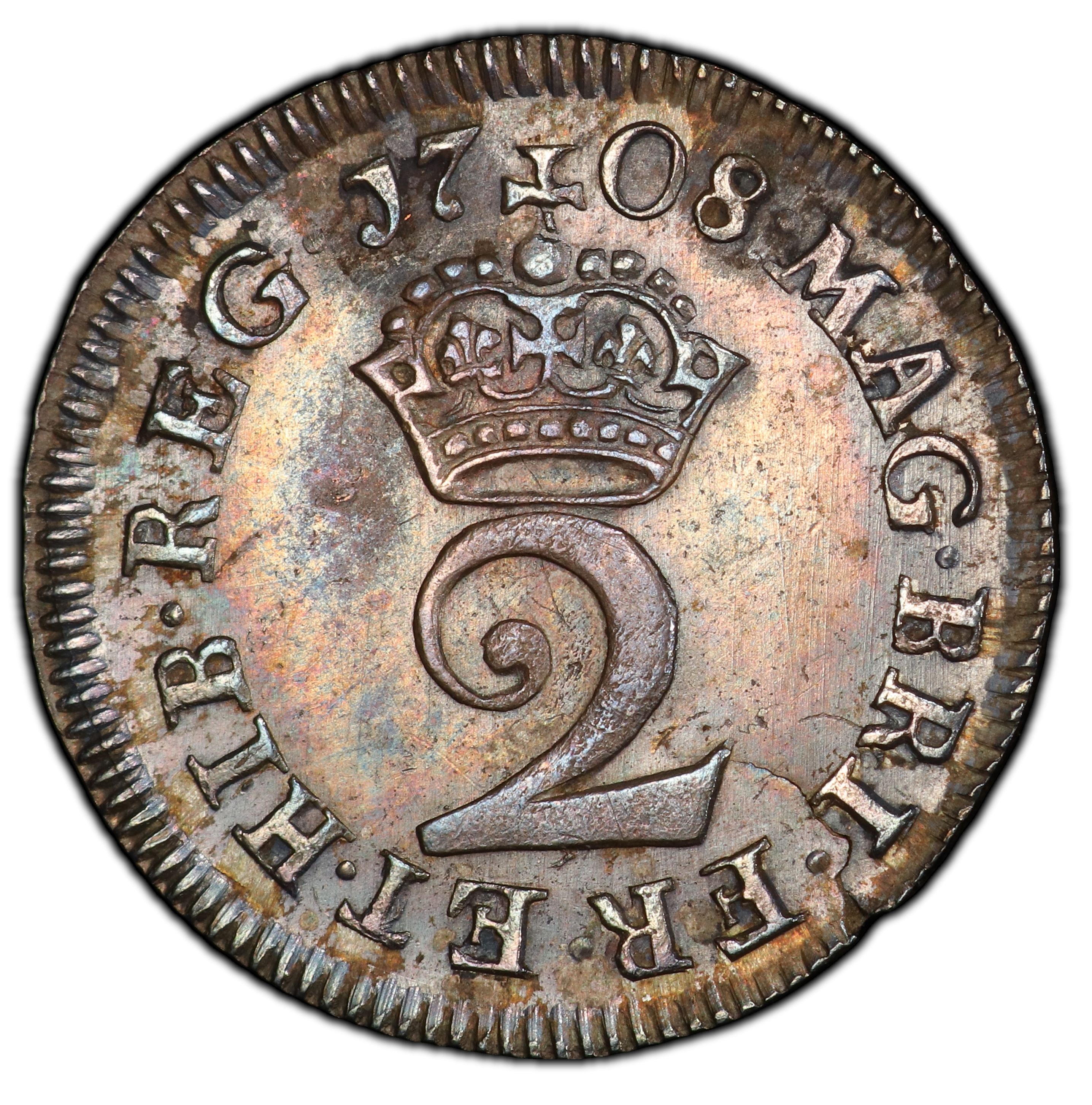
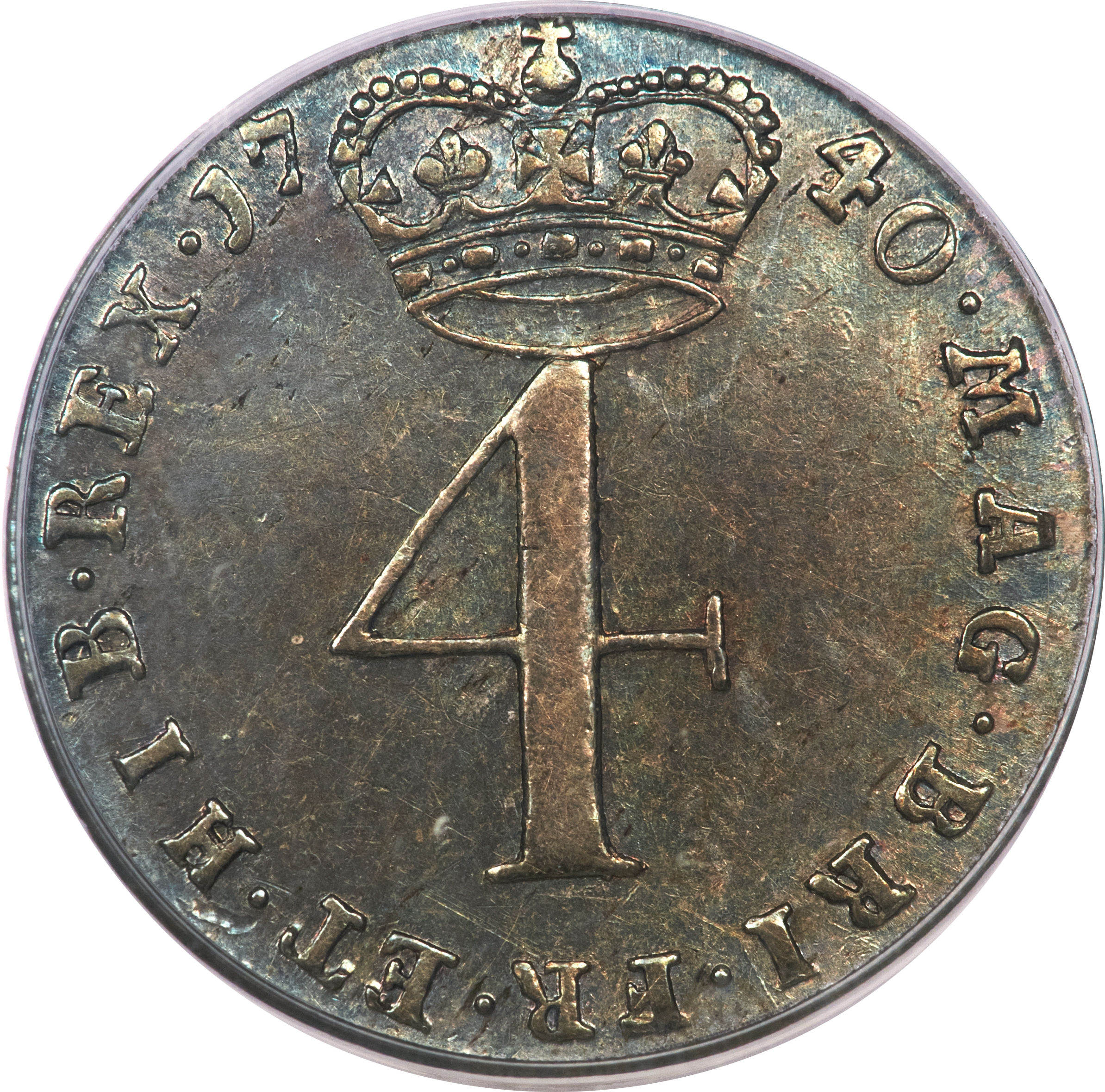
Central denomination below crown dividing date, legend around.
MAG BRI FR ET HIB REX
Find this on eBay
Affiliate4 Pence - George II incl. Maundy price history
Daily limit reachedAbout the 1729 4 Pence - George II incl. Maundy
The 1729 4 Pence - George II incl. Maundy is a collector 4 pence coin issued from 1729 to 1760 in the Maundy Money series, struck in 92.5% silver. It weighs 2g and measures 19mm across. Reverse design: Central denomination below crown dividing date, legend around.
It is no longer legal tender, so its value is to collectors only.
Common questions
How much is the 1729 4 Pence - George II incl. Maundy worth?
No verified sale of the 1729 4 Pence - George II incl. Maundy has been logged on MyCoinage yet. Its silver content is worth about £2.38 at today's spot price, which puts a floor under its value.
Which dates were George II fourpences struck?
Tony Clayton's list gives 1729, 1731, 1732, 1735, 1737, 1739, 1740, 1743, 1746 and 1760. These are also the years in which his Maundy list shows complete four-coin sets of the reign.
Who designed the George II groat?
Wikipedia, citing Richard Lobel, says the groat of George II was by John Croker, Chief Engraver until 1741. It kept his young bust even after Tanner's older portrait appeared on the larger coins in 1743, because the groat was struck so rarely.
How many George II fourpences were made?
No mintage figures are published for any date. Wikipedia notes that the groat was struck infrequently, and that silver was generally too costly for much silver coinage between 1727 and 1816.
Is a George II groat legal tender?
Technically yes. Wikipedia's Royal Maundy article describes Maundy coins as legal tender, and Tony Clayton notes the groat was revalued as 4 new pence on decimalisation in 1971, though it is only ever collected.
How do I identify the 1729 4 Pence - George II incl. Maundy?
Check the weight 2g and diameter 19mm and the metal (92.5% silver) against the specification table on this page. The reverse design is described above.
History and design
The fourpence, or groat, had been struck in milled form fairly regularly since 1662, as Tony Clayton notes, and its reverse had carried a crowned Arabic 4 since William and Mary. Under George II it is dated 1729, 1731, 1732, 1735, 1737, 1739, 1740, 1743, 1746 and 1760. Wikipedia's history of the penny explains that silver was too costly for much silver coinage between 1727 and 1816.
Wikipedia's Royal Maundy article says there is no record of coins above the penny in the Maundy gift before 1731, and that coins not struck for circulation were used only from 1752, so the earlier groats were ordinary coins that might also be given at the Maundy. Clayton's list of Maundy sets shows complete four-coin sets only in the fourpence years. No mintage figures are published.
Wikipedia, citing Lobel, says George II's groat was by John Croker and shows a left-facing bust of the King. The reverse has a crowned 4 with MAG BRI FR ET HIB REX and the date. A Fitzwilliam Museum fourpence of 1731 measures 19.3 mm and weighs 1.88 g.
Although the larger coins moved in 1743 to a new portrait by John Sigismund Tanner, the groat was struck so rarely that Croker's earlier design was kept. Wikipedia notes that it was still issued in 1760, the year of the King's death, two years after the last of Tanner's silver coins had been struck.
Varieties and errors
Clayton lists a 1743 fourpence with the 3 over a 0.
Collecting notes
The fourpence is the largest of the four small silver coins, so it is the piece that fixes which dates can form a full set. Check the date under a lens, especially on 1743 coins, and look for marks of mounting or piercing. The Maundy penny and threepence were struck alongside it. Clayton notes that the crowned 4 type was revalued as 4 new pence in 1971.
Sources
The history, design, varieties and collecting notes on this page are drawn from these sources. Prices come from recorded sales, not from them.
- Fourpence (British coin), Wikipedia (read 12 Oct 2026)
- Values of Four Pence coins, Tony Clayton, Coins of the UK (read 12 Oct 2026)
- Values of Maundy Sets, Tony Clayton, Coins of the UK (read 12 Oct 2026)
- Fourpence, 1731 (CM.555-2014), The Fitzwilliam Museum (read 12 Oct 2026)
- Four Pence, Tony Clayton, Coins of the UK (read 12 Oct 2026)
- Royal Maundy, Wikipedia (read 12 Oct 2026)
- History of the British penny (1714 to 1901), Wikipedia (read 12 Oct 2026)
More from Maundy Money