Common: 10,000,000 or more minted. Rarely sells: 2 verified sales in the last 12 months.
10 Pence - Elizabeth II 4th portrait Royal Shield non-magnetic (2008–2010)
"Royal Shield 10p"
| Country | United Kingdom |
| Year | 2008–2010 |
| Denomination | 10 Pence |
| Face value | 10p |
| Mintage by year |
Scarcest year: 71,447,000 struck
|
| Mint | Royal Mint · Llantrisant |
| Series | Royal Shield Series |
| Circulation | Circulating |
| Composition | Copper-nickel (75% Cu, 25% Ni) |
| Weight | 6.500g |
| Diameter | 24.5mm |
| Thickness | 1.85mm |
| Shape | Round |
| Edge | Milled |
| Orientation | Medal alignment ↑↑ |
| Obv. artist | Ian Rank-Broadley |
| Rev. artist | Matthew Dent |
| Grade scale | UK (EF/UNC) |
Fourth crowned portrait of Queen Elizabeth II right, wearing the Girls of Great Britain and Ireland tiara, legend around.
ELIZABETH II D G REG F D
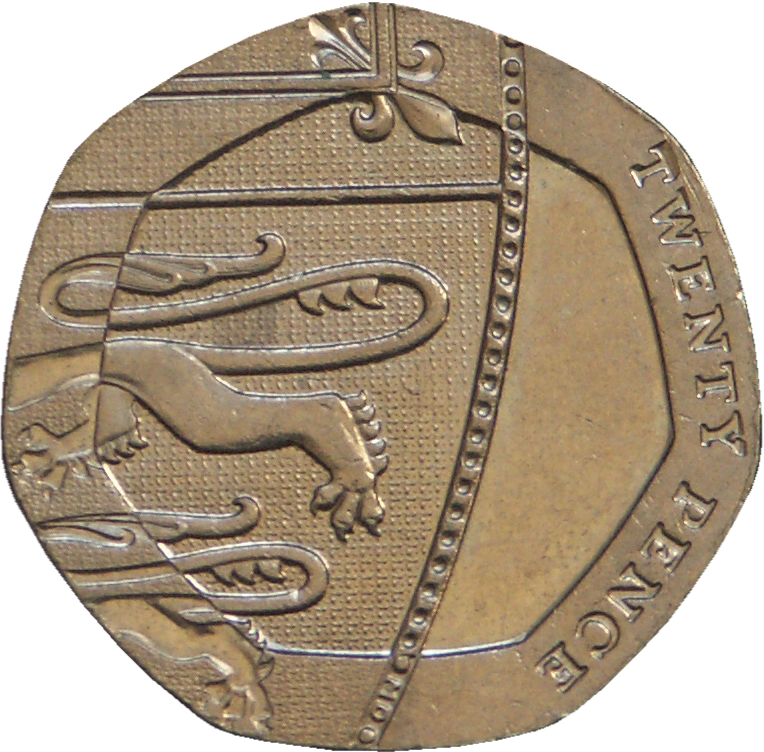
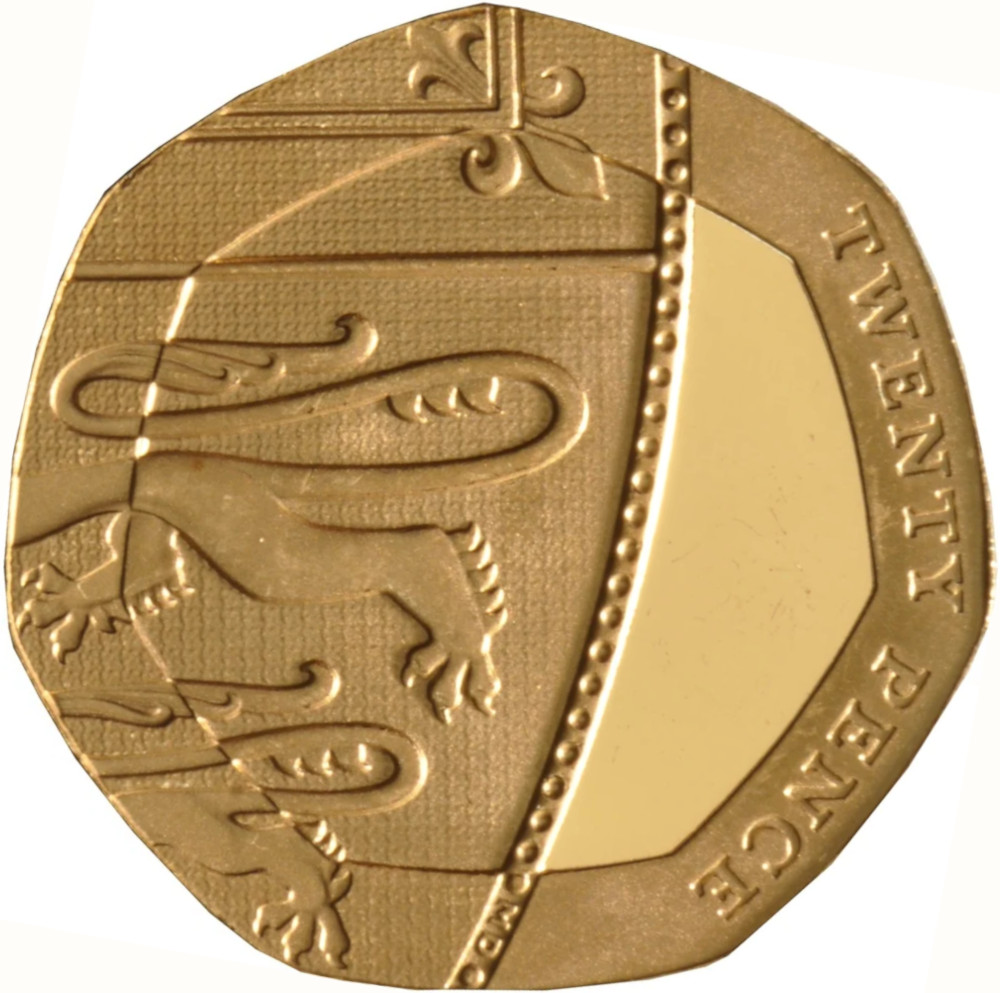
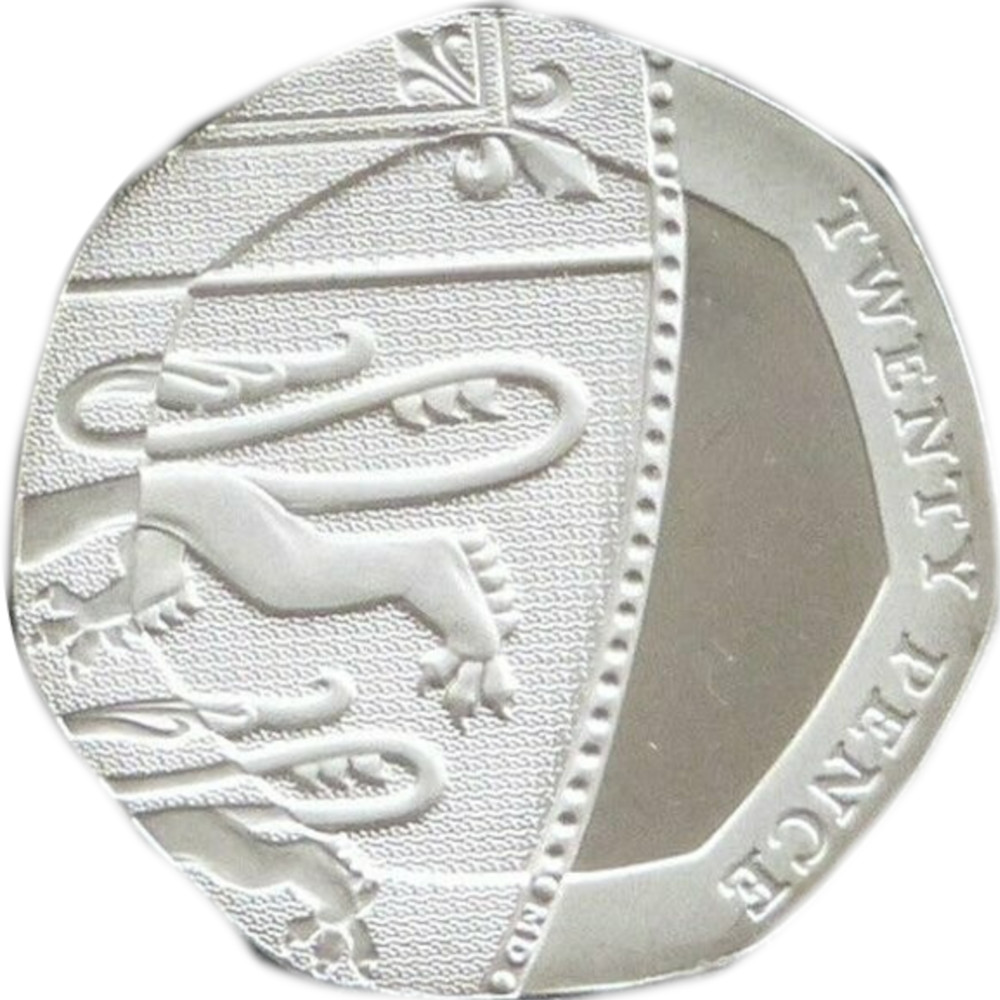
Upper left section of the Royal Shield of Arms, denomination to upper segment.
TEN PENCE
Royal Shield non-magnetic 10p market value
Find this on eBay
AffiliateRoyal Shield non-magnetic 10p price history
Daily limit reachedRoyal Shield non-magnetic 10p value by year
2008 to 2010 · median sold prices| Year | Mintage | Circulated | Uncirculated | Sales | |
|---|---|---|---|---|---|
| 2008 scarcest | 71,447,000 | £3.23 (2) | 2 | ||
|
VF£12.50EF£28.00UNC£95.00
⭐ Pro: the 2008 coin's sales by grade, and the chart filtered to one year
Start 7-day free trial
|
|||||
| 2009 | 84,360,000 | £3.23 type | |||
| 2010 | 96,600,500 | £3.23 type | |||
One row for each year the 10 Pence - Elizabeth II 4th portrait – Royal Shield non-magnetic was struck. Prices are medians of verified sold listings matched to that year from the listing: circulated is worn condition up to Extremely Fine, uncirculated is About Uncirculated or better. A count in brackets means fewer than three sales behind the figure; a grey figure marked "type" is the median across every year, shown where that year has no sale of its own yet; years with no sales yet fill in as sales are recorded. Most types have been searched year by year only since October 2026, so later years are still filling in. Use the grade table below for a price by condition across all years.
Royal Shield non-magnetic 10p value by grade
Realised auction prices · ⭐ Pro Expand rows for individual sale records| Grade | Latest | Median | 30d Δ | All-time range | Sales (1yr) | Total sales | Last sale | |
|---|---|---|---|---|---|---|---|---|
| BU | £3.00 🔒 eBay | £3.23 (2) | – | £3.00 – £3.45 | 2 | 2 | 10-10-2026 | |
|
Loading…
|
||||||||
About the 2008 10 Pence - Elizabeth II – Royal Shield non-magnetic
The 2008 10 Pence - Elizabeth II – Royal Shield non-magnetic is a circulating 10 pence coin issued from 2008 to 2010 in the Royal Shield series, struck in copper-nickel (75% Cu, 25% Ni). It weighs 6.5g and measures 24.5mm across. Reverse design: Upper left section of the Royal Shield of Arms, denomination to upper segment.
Mintage figures are recorded for 3 years between 2008 and 2010, 252,407,500 coins in all. 2008 is the scarcest date, with 71,447,000 struck.
Common questions
How much is the 2008 10 Pence - Elizabeth II – Royal Shield non-magnetic worth?
The 2008 10 Pence - Elizabeth II – Royal Shield non-magnetic has a price in one grade on MyCoinage so far: £3.23 in BU, the median of its verified sales.
Is a 2008 to 2010 10p magnetic?
No. Royal Shield 10p coins dated 2008 to 2010 are cupro-nickel, 75% copper and 25% nickel, which a magnet does not attract. The later nickel-plated steel coins of the same design do stick to a magnet, so this is the quickest way to separate the two.
How many 2008 Royal Shield 10p coins were made?
The Royal Mint's figures give 71,447,000 for the Royal Shield 10p dated 2008. A further 9,720,000 10p coins dated 2008 were struck with the old crowned lion reverse. The 2009 and 2010 figures are 84,360,000 and 96,600,500.
What does the Royal Shield 10p show?
The 2008 proclamation describes a section of the Royal Arms showing elements of the first quartering, with the words TEN PENCE. The first quarter holds the lions of England, so the coin shows the top left corner of the shield. Matthew Dent designed it.
Is the cupro-nickel 10p still legal tender?
Yes. The Royal Mint states that the 10p is legal tender for amounts up to five pounds. Only the larger 10p has been demonetised, in 1993. Since 2013 the Mint has been recovering older cupro-nickel 10p coins from circulation, so fewer are seen in change.
How do I identify the 2008 10 Pence - Elizabeth II – Royal Shield non-magnetic?
Check the weight 6.5g and diameter 24.5mm and the metal (copper-nickel (75% Cu, 25% Ni)) against the specification table on this page. The reverse design is described above.
History and design
The 10p changed its reverse design in 2008 for the first time since the coin was introduced in 1968. Christopher Ironside's crowned lion gave way to Matthew Dent's Royal Shield design, unveiled by the Royal Mint on 2 April 2008 with the other new coins from 1p to £1.
The cupro-nickel version of the new 10p was struck for three dates. The Royal Mint's figures give 71,447,000 for 2008, 84,360,000 for 2009 and 96,600,500 for 2010, a total of 252,407,500. A final 9,720,000 coins of the crowned lion design were also dated 2008.
The metal then changed. The Royal Mint moved the 5p and 10p from cupro-nickel to nickel-plated steel, and collector references treat the plated steel 10p as a separate type beginning with the 2011 date.
Dent's six designs from 1p to 50p each show part of the Shield of the Royal Arms and join to make the complete shield. The proclamation of February 2008 describes the 10p as a section of the Royal Arms showing elements of the first quartering, with the words TEN PENCE. The first quarter is England's, so the coin shows lions from the top left corner of the shield.
The obverse has Ian Rank-Broadley's portrait with the inscription ELIZABETH II D G REG F D and the date. Tony Clayton notes that the ring of beads found on earlier 10p coins was removed. The edge is milled, and the alloy is 75% copper and 25% nickel.
Collecting notes
No recognised varieties or mint errors are documented for this coin.
A magnet is the test that matters. Cupro-nickel coins are not attracted, while the nickel-plated steel 10p of the same design is. Sources differ on where the 2011 date falls, so a 2011 coin is worth testing instead of assuming.
The three dates were struck in similar numbers and none stands out. Fewer survive in circulation than those figures suggest, because the Royal Mint says it began recovering old 5p and 10p coins in 2013 and replacing them with plated steel. The coins remain legal tender, for amounts up to five pounds.
A 2009 coin should always have the shield. A 2009 10p with the crowned lion would be the 2009 mule, of which only two or three are reported.
Sources
The history, design, varieties and collecting notes on this page are drawn from these sources. Prices come from recorded sales, not from them.
- UK coin mintage figures (data file), The Royal Mint (read 9 Oct 2026)
- 10p Coin Designs and Specifications, The Royal Mint (read 9 Oct 2026)
- Proclamation determining the specifications and designs for a new series of one pound, fifty pence, twenty pence, ten pence, five pence, two pence and one penny coins (notice L-58612-455481), The Gazette (read 9 Oct 2026)
- Royal Mint Unveils New United Kingdom Coins (Royal Mint press release of 2 April 2008, as republished), CoinNews (read 9 Oct 2026)
- Decimal Ten Pence, by Tony Clayton, Coins of the UK (read 9 Oct 2026)
- 10p Coins in Circulation, Check Your Change (read 9 Oct 2026)
- Why are some UK coins magnetic?, The Royal Mint (read 9 Oct 2026)
- Ten pence (British coin), Wikipedia (read 9 Oct 2026)
More from Royal Shield Series