Very Rare: fewer than 100,000 minted.
1 Shilling - George III Young bust 'Northumberland Shilling' (1763)
"Northumberland shilling"
| Country | United Kingdom |
| Year | 1763 |
| Denomination | 1 Shilling |
| Face value | 5p |
| Mintage | 100,000 |
| Mint | Royal Mint · Llantrisant |
| Circulation | Circulating |
| Demonetised | Yes |
| Composition | Silver (.925) (925/1000 fine) |
| Weight | 6.020g · 0.1790 t oz |
| Diameter | 25.0mm |
| Shape | Round |
| Edge | Milled |
| Orientation | Coin alignment ↑↓ |
| Grade scale | UK (EF/UNC) |
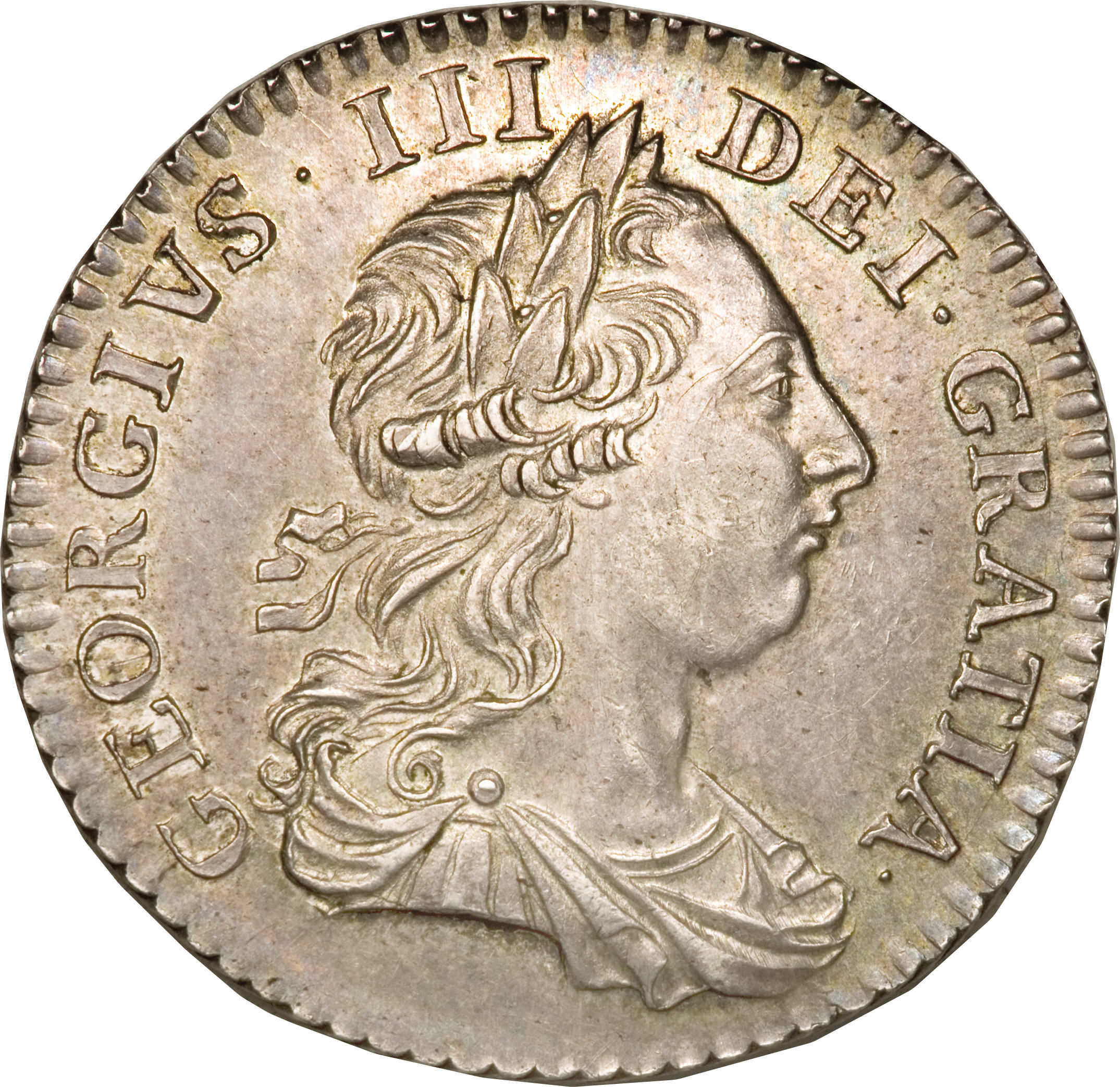
Young laureate and draped bust of King George III right, legend around.
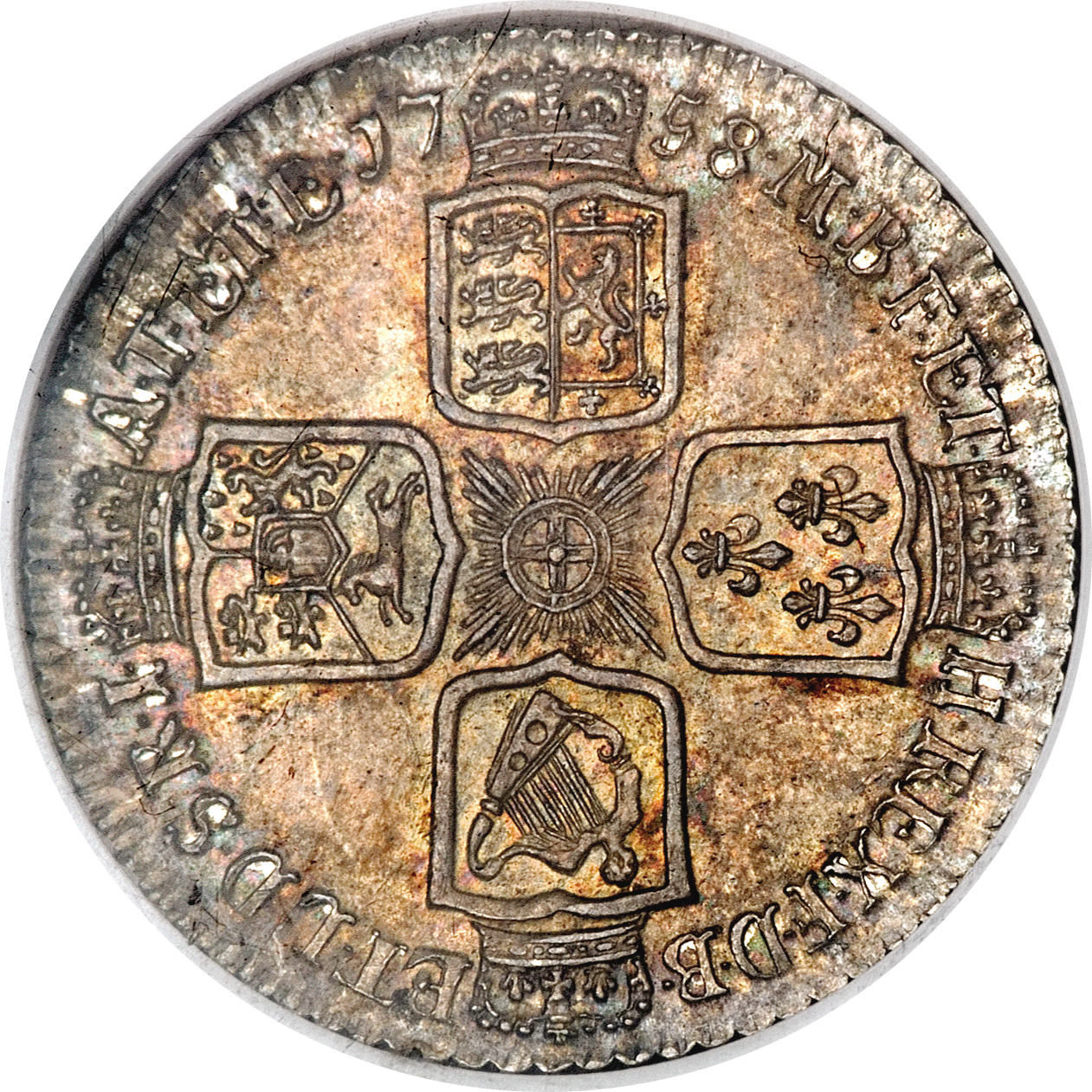
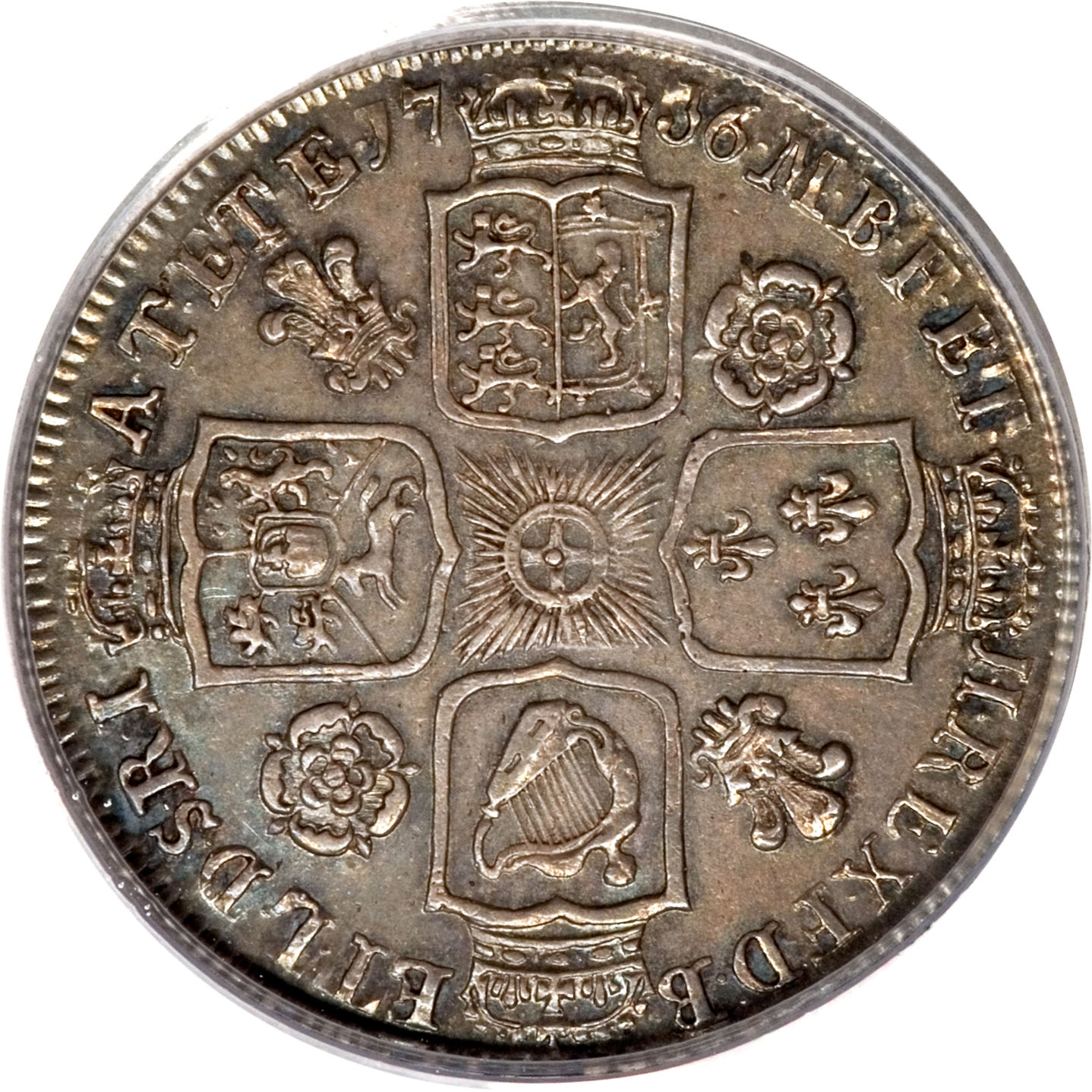
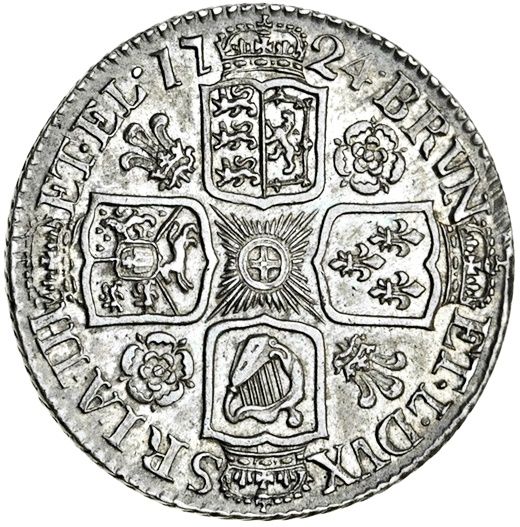
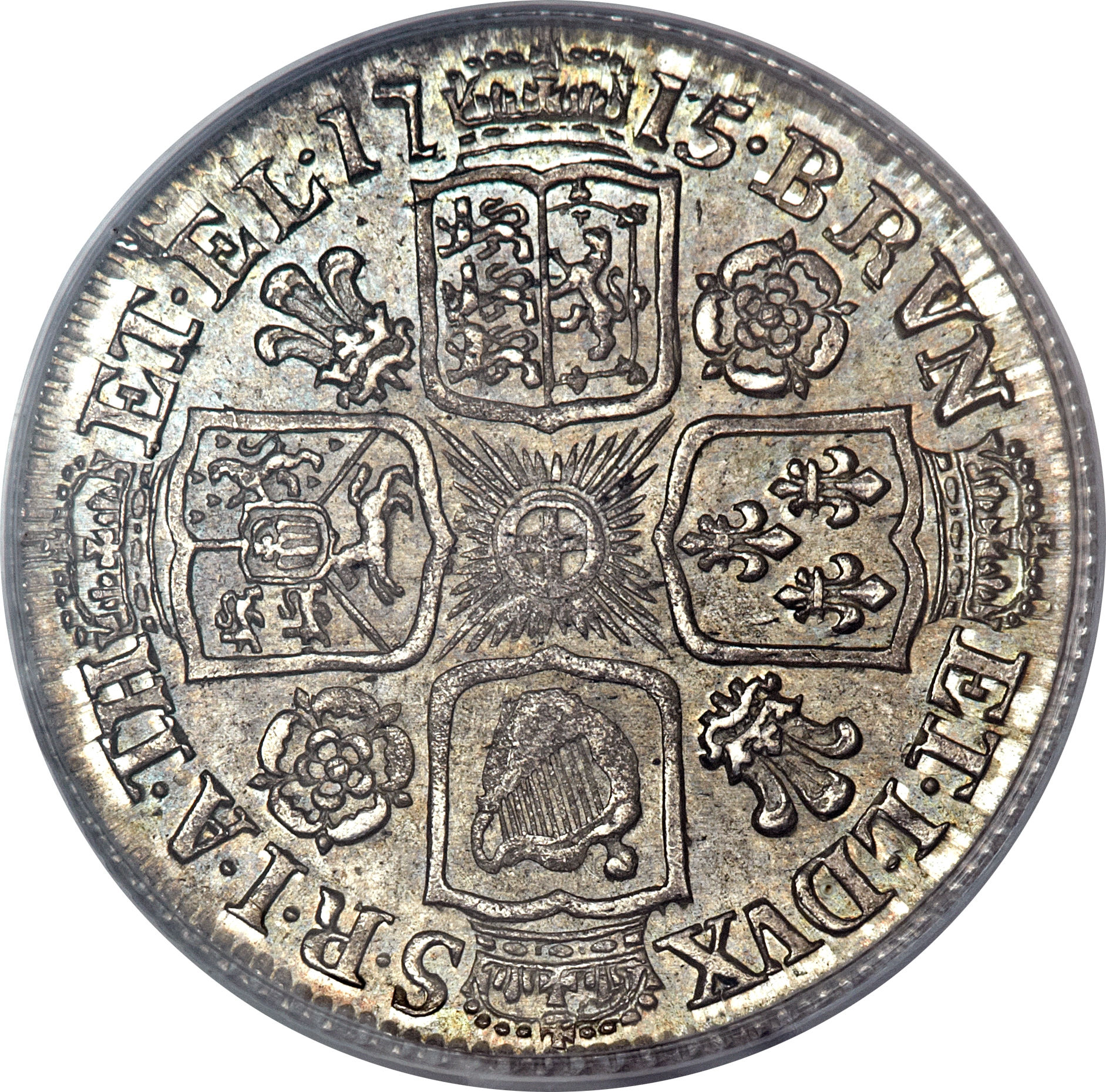
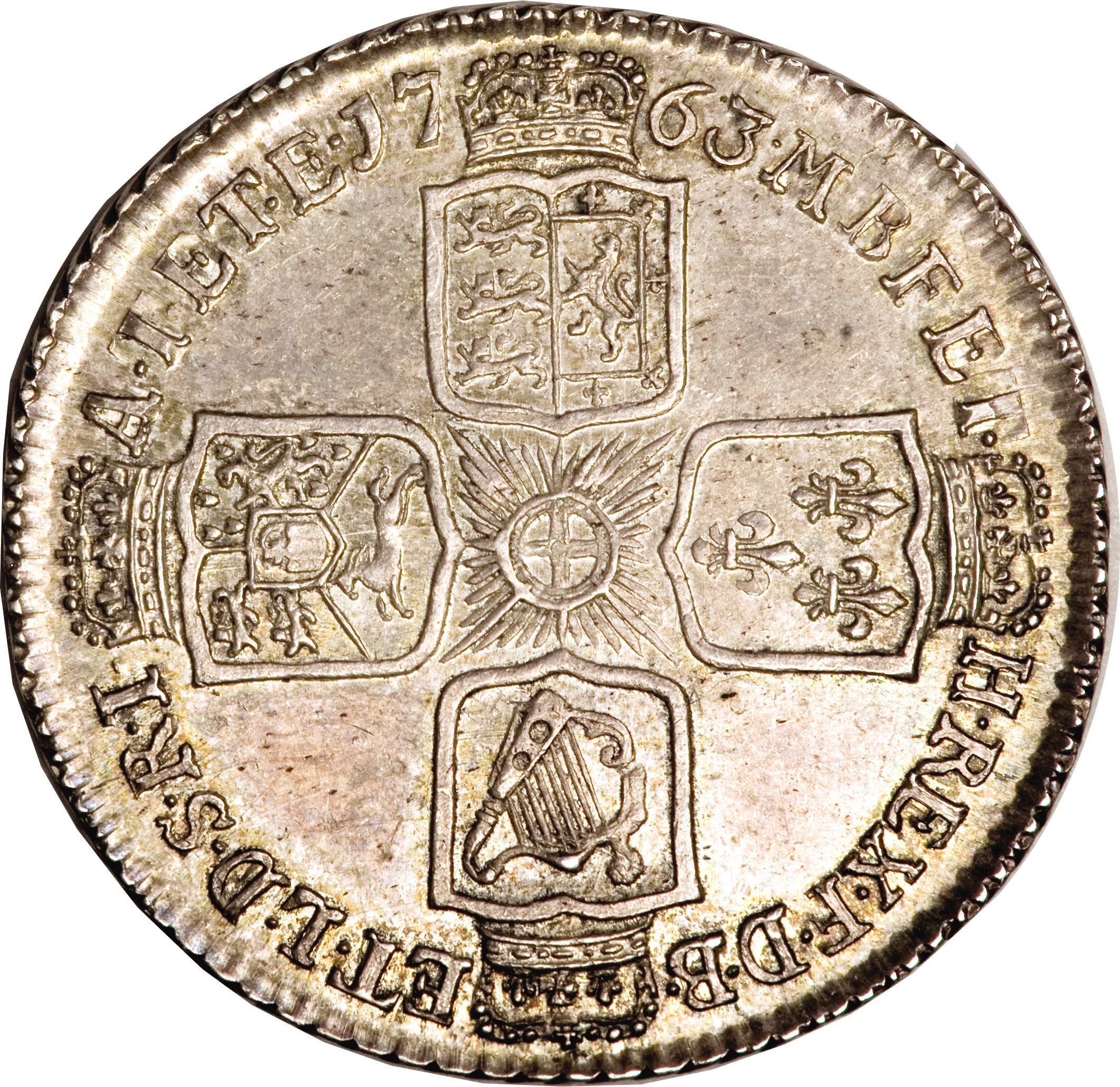
Crowned cruciform shields with central Garter star, plain angles, divided date above, legend around.
Find this on eBay
Affiliate'Northumberland Shilling' Shilling price history
Daily limit reachedAbout the 1763 1 Shilling - George III Young bust – 'Northumberland Shilling'
The 1763 1 Shilling - George III Young bust – 'Northumberland Shilling' is a circulating 1 shilling coin, struck in 92.5% silver. It weighs 6.02g and measures 25mm across. Reverse design: Crowned cruciform shields with central Garter star, plain angles, divided date above, legend around.
100,000 were struck. It is no longer legal tender, so its value is to collectors only.
Common questions
How much is the 1763 1 Shilling - George III Young bust – 'Northumberland Shilling' worth?
No verified sale of the 1763 1 Shilling - George III Young bust – 'Northumberland Shilling' has been logged on MyCoinage yet. Its silver content is worth about £7.15 at today's spot price, which puts a floor under its value.
Why is the 1763 shilling called the Northumberland shilling?
It is named after Hugh Percy, Earl of Northumberland, who became Lord Lieutenant of Ireland in 1763. Tony Clayton records that the coins were distributed by the Earl on his installation in Dublin, which is how the name arose.
How many Northumberland shillings were made?
No mint record of the number is known. Tony Clayton puts it at about 150 pounds in face value, or 3,000 shillings, and a Heritage catalogue quoted by Coinvarieties also gives some 3,000 pieces, calling it one of the lowest mintages of any shilling type.
Were Northumberland shillings spent as money?
Many seem to have been. The Heritage catalogue quoted by Coinvarieties says most of the issue appears to have been used as money in Ireland, where silver coin was short, and that few pristine examples remain.
Are there fake Northumberland shillings?
Yes. Coin Hunter lists the 1763 shilling with the warning 'Beware of counterfeits'. Compare any example with a known genuine coin: the Royal Mint Museum's specimen weighs 6.07 g and has a grained edge.
How do I identify the 1763 1 Shilling - George III Young bust – 'Northumberland Shilling'?
Check the weight 6.02g and diameter 25mm and the metal (92.5% silver) against the specification table on this page. The reverse design is described above.
History and design
George III came to the throne in 1760, but for most of his reign the Royal Mint struck very little silver. The Heritage catalogue quoted by Coinvarieties notes that this 1763 coin was the only shilling of the early part of the reign, with none minted again until 1787. It was made for a specific occasion rather than for general circulation.
Tony Clayton records that it was distributed by Hugh Percy, Earl of Northumberland, on his installation in Dublin as Lord Lieutenant of Ireland, an office Wikipedia says he held from 1763 to 1765. Clayton gives the amount as about 150 pounds in face value, or 3,000 shillings. The Heritage catalogue agrees on some 3,000 pieces, calls it one of the lowest mintages of any shilling type, and says most were used as money in Ireland, where silver coin was short.
The obverse shows a laureate bust of the young king facing right. The Heritage catalogue notes that the coin differs in style from the other shillings of the reign. For the reverse, Wikipedia's sixpence article describes the arrangement of four crowned shields in a cross, introduced under Charles II, as continuing with only minor changes through George III's reign, and the shilling followed the same scheme.
The Royal Mint Museum's example (RMM 978) weighs 6.07 g and has a grained edge, with the dies set upside down to each other (a die axis of 180 degrees). It was struck at the Tower mint and carries numbers in the museum's catalogues of 1874 and 1906.
Collecting notes
The Heritage description stresses that few uncirculated examples survive, because so many were spent in Ireland. Expect wear on the highest points of the bust and on the crowns between the shields. Coin Hunter attaches a warning to beware of counterfeits, so weight, edge and style are all worth checking against a known genuine coin.
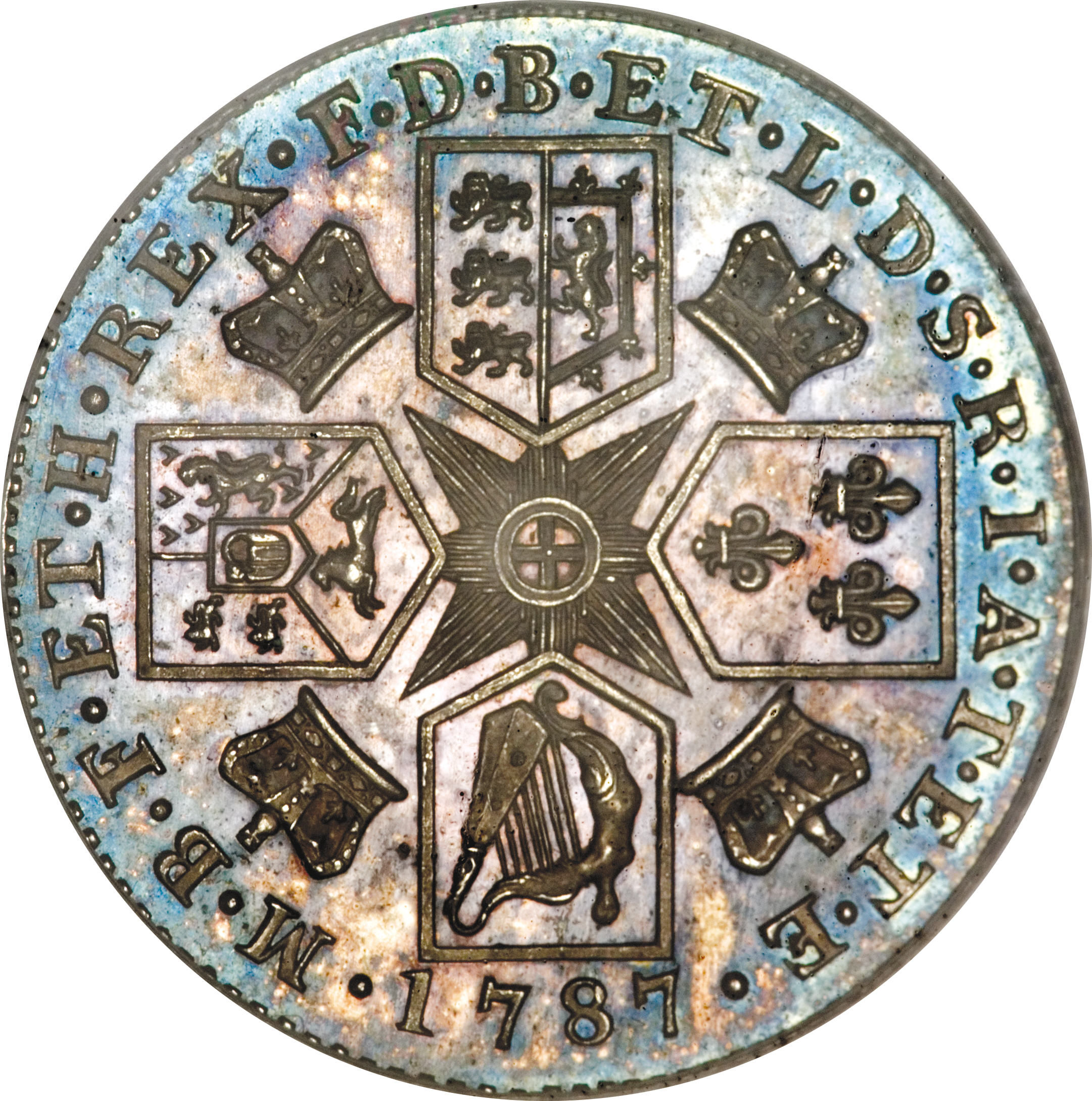
Clayton names this and the 1798 Dorrien and Magens shilling as the two famous rarities of George III's shillings. The commoner 1787 shilling, with the older bust, is listed as the older bust shilling.
Sources
The history, design, varieties and collecting notes on this page are drawn from these sources. Prices come from recorded sales, not from them.
- The Shilling, Tony Clayton, Coins of the UK (read 12 Oct 2026)
- Great Britain 1763 shilling, CoinVarieties (read 12 Oct 2026)
- 1763 Coin Values, George III, Coin Hunter (read 12 Oct 2026)
- George III shilling, 1763 (RMM 978), The Royal Mint Museum, via Museum Data Service (read 12 Oct 2026)
- Hugh Percy, 1st Duke of Northumberland, Wikipedia (read 12 Oct 2026)
- Sixpence (British coin), Wikipedia (read 12 Oct 2026)
More 1 Shilling coins from nearby years