Quick answer
A want list (or watchlist) is a structured record of coins a collector aims to acquire, with target grade, price ceiling, and optional provenance preferences. Serious UK collectors maintain want lists in MyCoinage (Pro tier includes alerts), Numista, or a well-disciplined spreadsheet. The discipline matters more than the tool.
TL;DR
- A want list transforms coin collecting from opportunistic to strategic
- Track target grade, ceiling price, rarity tier, and specific provenance preferences
- Set auction alerts on all want-list items, this is where apps beat spreadsheets decisively
- Review the want list quarterly, tastes change, priorities shift
- Keep the list private unless you trust the reader, dealers will price against a visible want list
Table of contents
- Why every serious collector has a want list
- What to put on the list
- Priority tiers
- Tools for maintaining the list
- Integrating with auction alerts
- Working with dealers on want lists
- Pruning and reviewing
- Common questions
- FAQ
Why every serious collector has a want list
Without a want list, collecting is opportunistic, you buy what appears in front of you. With a want list, collecting is strategic, you know what completes your sets, what fills gaps in your themes, what would be the next logical acquisition.
The difference shows in two places: at auction previews (you walk in knowing what you're hunting) and in the collection itself (themes develop instead of drifting).
The opportunity cost
Without a want list, when a rare piece comes up at auction, you miss it. With a want list plus alerts, you're notified 4-6 weeks in advance and can prepare. Over a collecting lifetime, the miss rate matters more than any other single factor.
What to put on the list
For each want-list entry, capture:
| Field | Example | Why it matters |
|---|---|---|
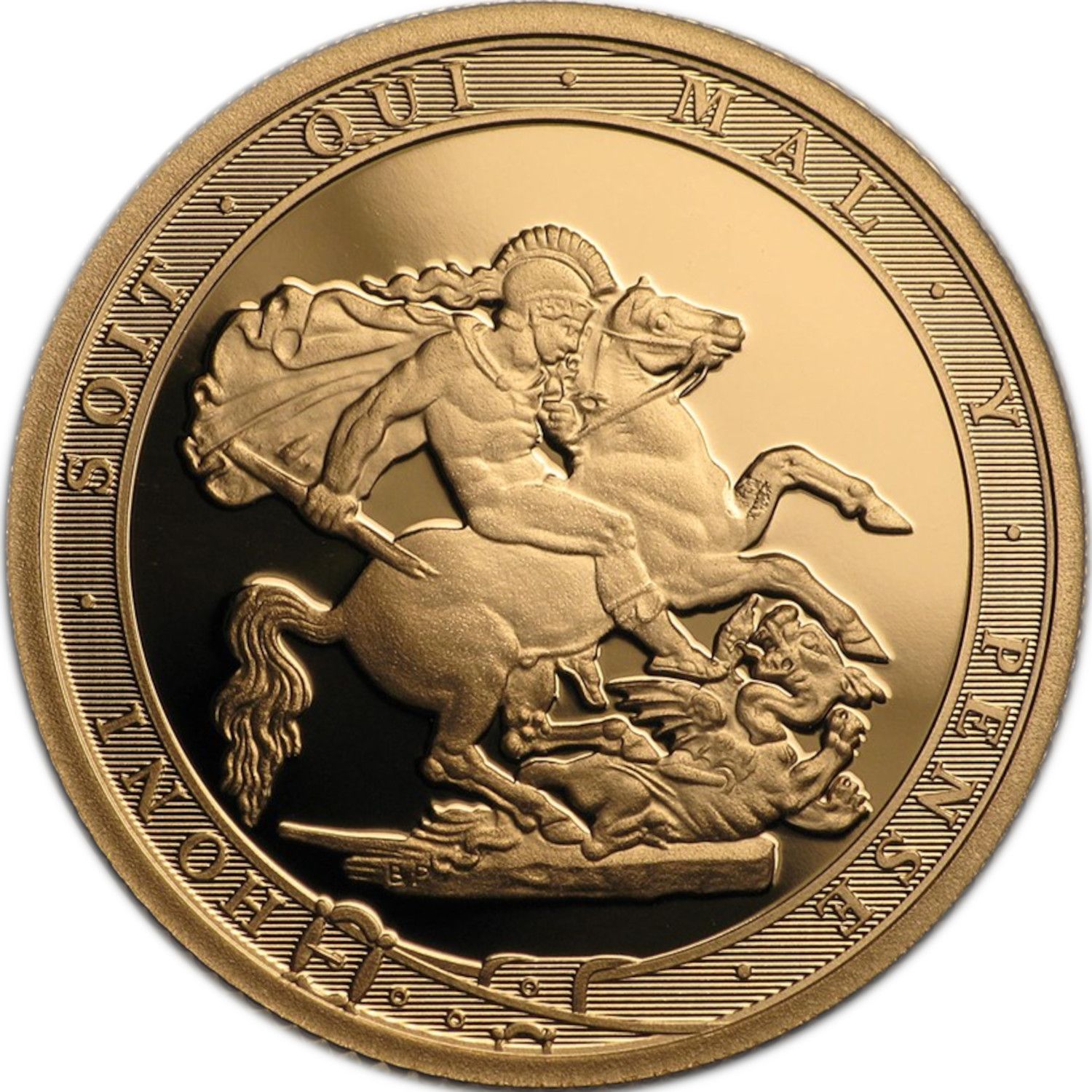
| Denomination & year | 1887 proof sovereign | Target identity |
| Target grade | PF62+ | Sets quality floor |
| Price ceiling | £2,400 | Bidding discipline |
| Priority tier | Tier 1 (must have) | Ranking |
| Preferred provenance | Spink/Baldwin's/Noonans | Quality signal |
| Deadline | End 2027 | Forces action |
| Notes | "Completes jubilee set" | Context for future self |
The price ceiling is the critical discipline. Without one, auction heat pushes you over budget. With one, you walk away at the limit.
Setting the ceiling
Base the ceiling on realised auction prices from MyCoinage or Spink's archive. Add 10-15% premium for exceptional quality or impeccable provenance. Never bid above ceiling in the heat of the room, write it down before the sale, stick to it.
Priority tiers
A 50-item want list is overwhelming. Tiers make it manageable.
Tier 1, Must have. 5-10 items. Complete key sets, fill flagship gaps. Alert on every appearance.
Tier 2, Would like. 15-25 items. Strengthen themes, add depth. Alert on appearances below ceiling.
Tier 3, Would consider. 25-50 items. Opportunistic. Weekly digest only.
Why tiers beat a flat list
A flat 50-item list triggers too many alerts to action any. A tiered list surfaces the critical pieces and buries the nice-to-haves in a weekly digest. Attention is the scarce resource.
Tools for maintaining the list
MyCoinage watchlist
The free tier supports 10 watchlist items; Pro supports unlimited. Each item can carry notes, price ceiling, and alert settings. Weekly digest for low-priority; instant alert for high-priority. See account settings to configure notification preferences.
Numista swap list
Numista's "swap list" doubles as a want list and facilitates trading with other users. Useful for collectors who swap as well as buy.
Spreadsheet
A disciplined spreadsheet works. Columns for each field above, conditional formatting for tier, and a weekly calendar reminder to check auction catalogues manually. More friction than an app but perfectly functional.
Paper notebook
Genuinely fine for collections with fewer than 20 wants and a collector who enjoys the ritual. The discipline of writing matters.
Integrating with auction alerts
This is where apps earn their keep. A MyCoinage watchlist automatically:
- Scans upcoming auction catalogues for matches
- Notifies within 24 hours of a listing
- Shows current realised-price benchmark for the item + grade
- Lets you set per-item ceiling and flags when the pre-sale estimate exceeds it
For DIY users:
- Subscribe to Spink, Baldwin's, Noonans catalogue announcements
- Set Google Alerts on specific search terms (e.g.
"1887 proof sovereign" auction) - Save eBay searches for specific terms
- Check RSS feeds weekly
The DIY route catches most appearances but generates substantial noise. The app route is cleaner but costs money.
The 24-hour response window
Once a catalogue is published, serious bidders act within 24-48 hours, registering, requesting condition reports, arranging viewings. Alerts deliver you into that window rather than letting the sale pass you by.
Working with dealers on want lists
Established UK coin dealers maintain their own internal want lists on behalf of clients. If you cultivate a relationship with a specialist dealer, sharing a selective want list can result in:
- First refusal on stock before it reaches the shelf
- Negotiated private-treaty deals below public asking
- Heads-up on other collectors' consignments
- Advice on comparable pieces that aren't exactly what you want but are close
The trust requirement
Only share your want list with dealers you trust absolutely. A less-scrupulous dealer armed with your want list can price against you on every piece you want. A reputable dealer treats the list as fiduciary information.
What to share
Share Tier 1 and high-priority Tier 2 items. Hold Tier 3 back, no need to flag everything you might ever want. Include ceiling prices only with dealers you trust completely.
Pruning and reviewing
Quarterly, review the list:
- Remove items acquired
- Remove items that no longer fit the collection's direction
- Adjust ceilings for market movements
- Promote Tier 2 to Tier 1 where relevant
- Demote stale Tier 1 items to Tier 2 if they've sat unacquired for 2+ years
The sunk-cost trap
A want list entry that's been open for five years without acquisition probably shouldn't still be there. Either your budget is wrong, your taste has changed, or the item is genuinely unobtainable. Any of these means it shouldn't be on the active list.
Closing out
When an item is acquired, close the entry with acquisition date, price, source. This becomes the provenance record in the main collection. See the coin inventory checklist for how provenance carries forward.
Common questions
How big should a want list be?
For most collectors, 20-40 items total across all tiers. Under 10 and you're not being strategic; over 50 and you're fantasising.
Should I include coins I can't afford yet?
Yes, in Tier 3. A 1933 penny (see 1933 penny value) at five figures belongs on a realistic want list only if the budget is plausible in 2-3 years. Tier 3 is the "aspirational" bucket.
What about modern issues that haven't been released yet?
Include them. A forthcoming Royal Mint proof can be wantlisted before release, with a ceiling based on comparable recent issues. See the Charles III coin guide for the modern side of things.
Can I alert on a variety rather than a specific coin?
In MyCoinage, yes, variety-level alerts work for ESC-catalogued varieties and known die pairings. In most other systems, no.
FAQ
Q: Should my want list be public on my collector profile?
A: No, keep it private. See account settings for privacy toggles.
Q: Do dealers charge more for clients with visible want lists?
A: Reputable ones don't. Less-reputable ones might. Err on the side of privacy.
Q: How does a want list affect insurance?
A: It doesn't, want-list items aren't owned yet. Once acquired, they move to the main collection and get insured then.
Q: What about coins I've sold and want to replace?
A: Flag as "repurchase wanted" in notes. Different psychology to a first-time acquisition, you know the piece and the market.
Q: Should the want list be visible to my executor?
A: Yes, but stored with your main financial records, not in the live catalogue. Helps an executor understand collecting intent. See coin collection probate valuation for the broader probate context.