Guide
Edward VIII Coins Guide: Abdication, Patterns & Values
King Edward VIII (reigned 20 January – 11 December 1936) abdicated before any of his UK coinage entered general circulation, making genuine 1937-dated UK Edward VIII pattern coins among the rarest and most expensive British numismatic items. Overseas Empire issues (British West Africa, Fiji, New Guinea) DID circulate and are accessible to ordinary collectors. This guide covers both tiers.
Last updated: 17 September 2026
In brief. No Edward VIII coin officially entered UK circulation. UK 1937 patterns
(~6-12 specimens per denomination): brass threepence £30,000-60,000;
florin £30,000-50,000; gold sovereign £500,000-1,000,000+.
Modern Royal Mint commemorative re-strikes (2013-2018) at £30-300. Overseas Empire 1936-dated
issues (BWA, Fiji, New Guinea) at £10-200 in collectable grade, the only realistic
"Edward VIII coins" for normal collectors.
Edward VIII coins on MyCoinage
Pre-decimal coins on MyCoinage
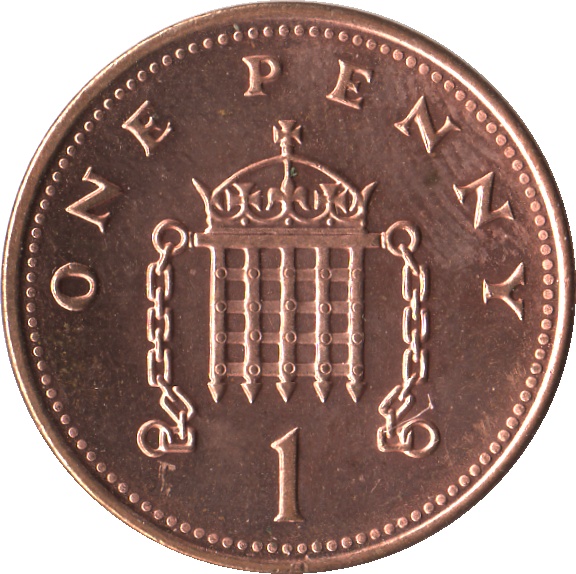
1 Penny - Elizabeth II 4th portrait; magnetic
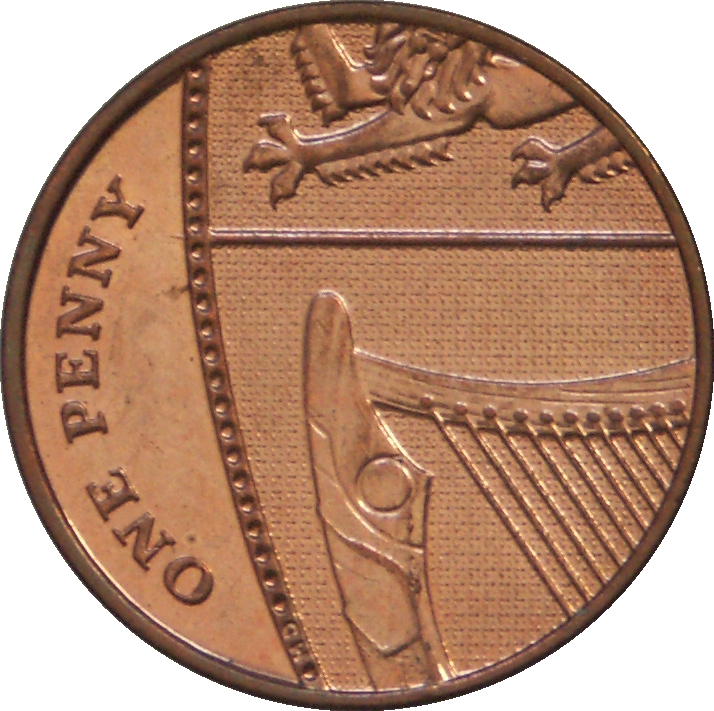
1 Penny - Elizabeth II 4th portrait; Royal Shield
up to £4
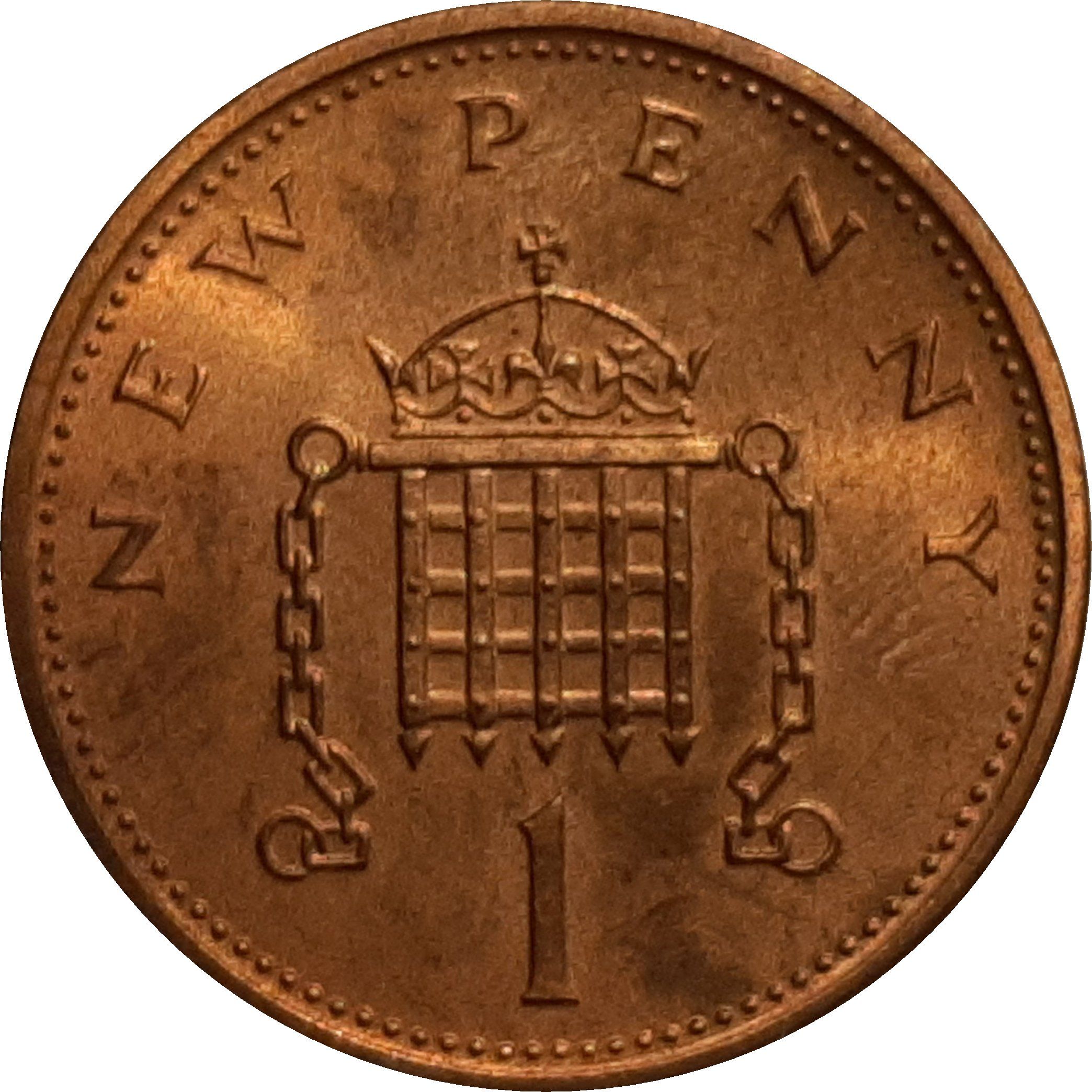
1 New Penny - Elizabeth II 2nd portrait
up to £2
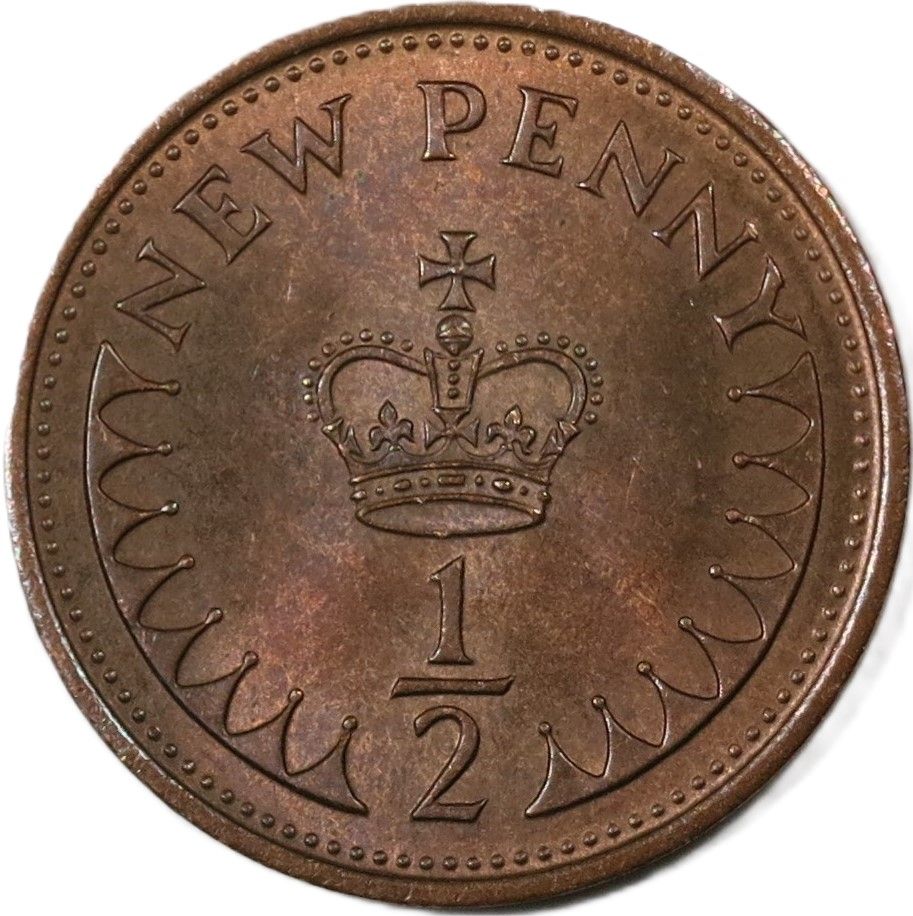
½ New Penny - Elizabeth II 2nd portrait
up to £2
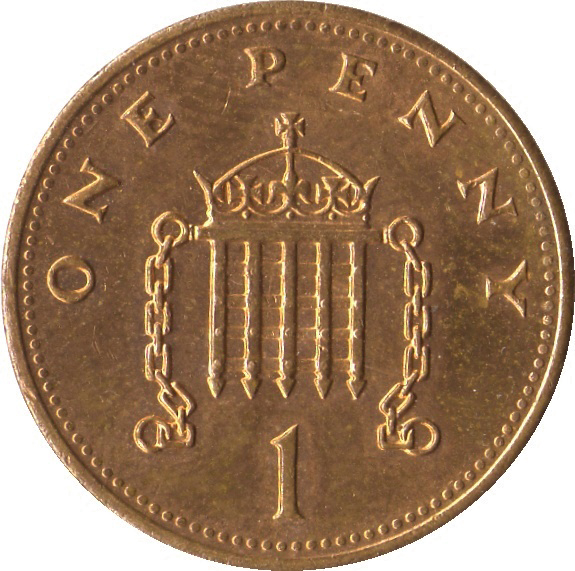
1 Penny - Elizabeth II 3rd portrait; non-magnetic
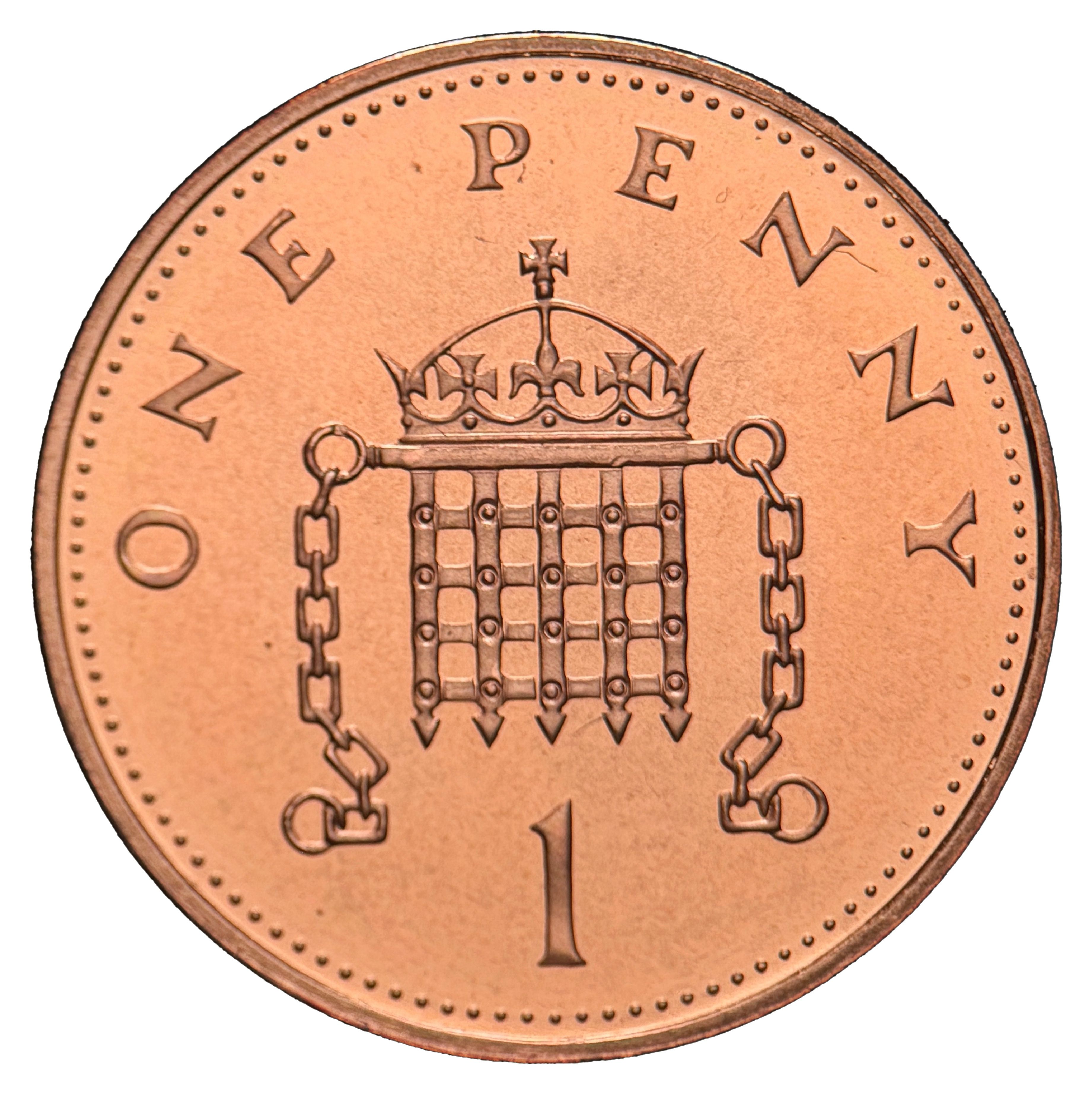
1 Penny - Elizabeth II 3rd portrait; magnetic
Edward VIII coin search on eBay
The links below open eBay UK searches; if you buy through them, MyCoinage earns a small commission at no cost to you.
All Edward VIII coins (BIN) ↗ BWA 1936 penny ↗ Fiji 1936 halfpenny ↗ UK pattern realised ↗ 2018 Royal Mint re-strike ↗
Related guides
- 1933 penny value, the parallel foundation-stone rarity
- Gold sovereign values UK
- Florin values UK
- Threepence values UK
- UK Coin Errors List
- How to spot fake British coins
Frequently asked questions
Was there ever a circulating Edward VIII coin?
Almost. The Royal Mint had begun production of Edward VIII coinage in 1936 with a portrait facing left (against the centuries-old British convention of alternating monarch directions, which would have meant facing right). Edward VIII's abdication on 11 December 1936, before any coins were officially issued for general circulation, meant the entire planned 1937 issue was either melted, retained as patterns, or sealed in foundation stones at official buildings. No Edward VIII coin officially entered circulation; specimens that survived are pattern strikes, foundation-stone burials, or trial pieces.
How much is an Edward VIII coin worth?
Genuine Edward VIII pattern coins are extreme rarities. Confirmed values when they appear at auction: 1937 Edward VIII brass threepence pattern, mintage estimated 12, recent realisations £30,000-60,000. 1937 Edward VIII florin pattern, mintage estimated 4, £30,000-50,000. 1937 Edward VIII gold sovereign pattern, mintage estimated 6, £500,000-1,000,000+ at auction (one sold for £1,000,000 at Baldwin's in 2014). 1937 Edward VIII bronze penny pattern, mintage 4 known, £100,000-200,000+. Modern Royal Mint commemorative re-strikes (2013-2018) of "Edward VIII" patterns trade at £30-300 depending on metal, these are NOT the genuine 1937 patterns.
How can I tell a genuine Edward VIII pattern from a modern reproduction?
Provenance is everything. Genuine 1937 patterns have a documented chain of custody from the Royal Mint Museum, the British Museum, or known private collections going back decades. Modern Royal Mint re-strikes (issued 2013-2018 as part of various commemorative programmes) are sold with original Royal Mint card-pack packaging and are clearly marked. Any "1937 Edward VIII pattern" listing on eBay under £5,000 is virtually certain to be a modern re-strike, a copy / replica, or a fake. The genuine 1937 patterns rarely come to market, when they do, it's through Spink, Baldwin's or Sotheby's with full provenance.
Why did the abdication happen?
King Edward VIII (born 23 June 1894) succeeded his father George V on 20 January 1936. He intended to marry Wallis Simpson, a twice-divorced American socialite, but the Church of England (of which the British monarch is Supreme Governor) prohibited remarriage of divorcees with a former spouse still living. After eleven months of constitutional crisis, Edward VIII abdicated on 11 December 1936, becoming the only British monarch to do so voluntarily. His brother Albert took the throne as George VI. The abdication crisis is one of the most studied moments in 20th-century British constitutional history.
What about the "Edward VIII left-facing" tradition?
British monarchs alternated portrait direction for centuries: Charles II faced right, James II left, William III right, Anne left, George I right, George II left, George III right, George IV left, William IV right, Victoria left, Edward VII right, George V left. By tradition, Edward VIII should have faced right. He instead chose to face left, reportedly because he preferred his profile from that side. The Royal Mint, after the abdication, returned to the alternating tradition: George VI faced LEFT (skipping the right turn that would have been Edward VIII's) so the alternation could resume cleanly. This means Elizabeth II faced RIGHT, Charles III now LEFT, the pattern continues.
Are Edward VIII coins legal tender?
Technically, no, they were never officially issued. Pattern strikes are legally Royal Mint property in many cases (sealed foundation-stone pieces are NOT private property, for instance). When Edward VIII patterns DO appear at auction, the seller typically has documented provenance going back decades to a legitimate former owner. Modern Royal Mint re-strikes are clearly labeled commemorative issues and have face values (sovereigns face £1, etc.) so they ARE legal tender as the modern issue.
Are there overseas Edward VIII coins?
Yes, some Crown Dependencies and Commonwealth countries did strike Edward VIII coinage between his accession and abdication. British West Africa issued 1936-dated penny and halfpenny coinage. East Africa issued shilling coinage. Fiji issued a halfpenny. New Guinea issued a penny. These OVERSEAS issues did circulate and are far more accessible than UK patterns, a 1936 British West Africa penny in collectable grade trades at £10-50; a Fiji halfpenny at £30-150. They're a real way for collectors to own a "circulating Edward VIII coin" without the seven-figure UK pattern price tag.
Where can I see real Edward VIII patterns?
Three places. Royal Mint Museum (Llantrisant, Wales), permanent collection includes the Edward VIII coronation medal pattern and various denomination patterns; viewable on appointment. British Museum (London), Department of Coins and Medals holds reference specimens, viewing by appointment. The "Twelve" set, the Royal Mint famously kept twelve sets of Edward VIII pattern coinage; their dispersal is documented in numismatic literature. Public auctions of any genuine Edward VIII pattern (Spink, Baldwin's, Heritage) are major numismatic events when they happen.
How can I learn more about the Edward VIII coinage story?
Two essential references: Coins of the British Empire by Howard Linecar, and The Royal Mint: An Illustrated History by Graham Dyer. Both cover the abdication-era coinage in detail. The British Numismatic Journal has multiple papers on the subject. Royal Mint Museum publishes online resources on the Edward VIII coinage programme. The forum at Predecimal.com has multiple long discussion threads on the topic.
Should I be looking for an Edward VIII coin in change?
Statistically: no. Genuine 1937 UK Edward VIII patterns are accounted for in museum and high-end private collections; they don't circulate. The "Edward VIII coin" YouTube videos and Facebook posts claiming someone found one in change are virtually all referring to overseas Empire coins (West Africa, Fiji, etc.) where genuine 1936-dated Edward VIII coins do exist and could plausibly turn up. For a UK-issue Edward VIII pattern: not happening.
Is there a connected story about the foundation stones?
Yes, same tradition as the 1933 penny. A handful of Edward VIII pattern coins were sealed inside foundation stones at official buildings being inaugurated in 1936-37. These specimens are physically locked into the building structure and can't legally be retrieved without dismantling the building. Known Edward VIII foundation-stone burials are mostly in regional UK government buildings; specific locations are sometimes restricted to deter would-be thieves. See our related 1933 penny guide for the parallel foundation-stone story.
Are there any Edward VIII coins I can realistically afford?
Yes. The British West Africa, East Africa, Fiji and New Guinea Edward VIII coins (issued 1936) trade between £10 and £200 in collectable grade. The 2018 Royal Mint commemorative re-strike of the Edward VIII pattern coronation medal is around £30-50. The 2018 Royal Mint Edward VIII Sovereign re-strike (mintage 250) has appreciated to £800-1,400 in BU and is the most accessible "Edward VIII" gold piece without paying for a 1937 pattern.
Read next