Shilling - George V 2nd coinage Pattern (1923–1924)
| Country | United Kingdom |
| Year | 1923–1924 |
| Denomination | 1 Shilling |
| Face value | 5p |
| Mint | Royal Mint · Llantrisant |
| Circulation | Non-circulating |
| Demonetised | Yes |
| Composition | Nickel |
| Diameter | 23.5mm |
| Shape | Round |
| Edge | Milled |
| Orientation | Medal alignment ↑↑ |
| Obv. artist | Bertram Mackennal |
| Rev. artist | George William de Saulles |
| Grade scale | UK (EF/UNC) |
Uncrowned portrait of King George V left, legend around.
GEORGIVS V DEI GRA: BRITT: OMN: REX
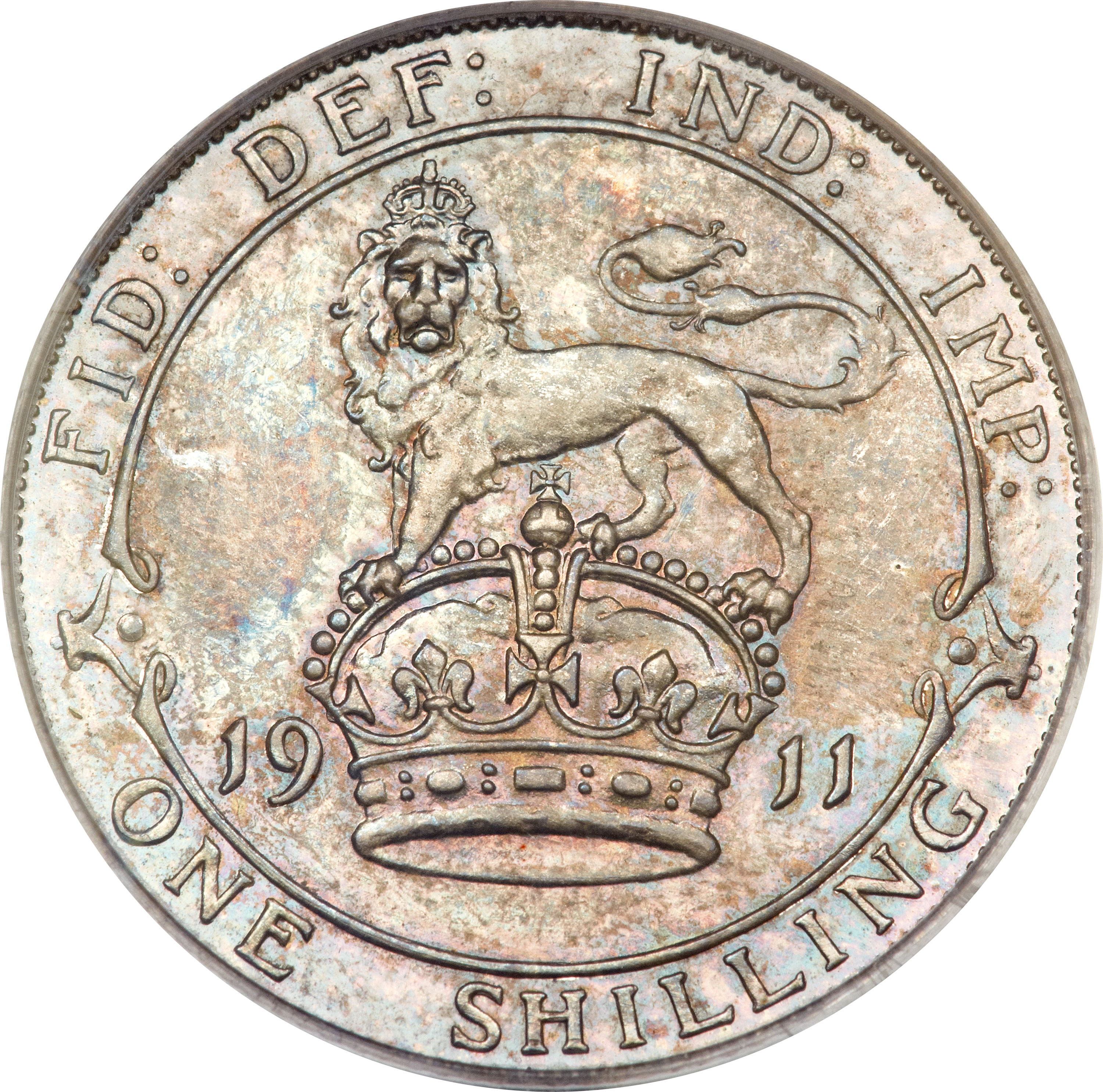
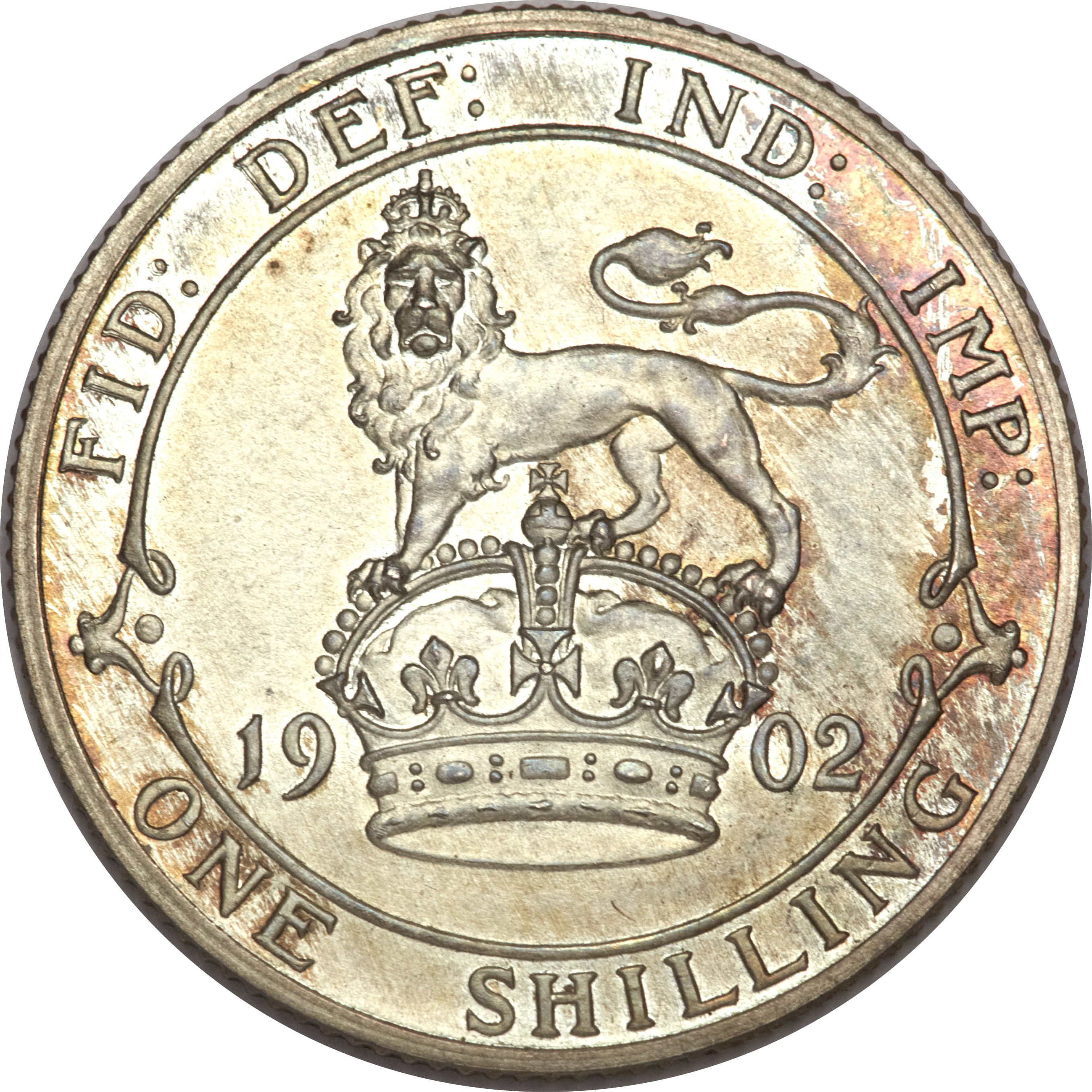
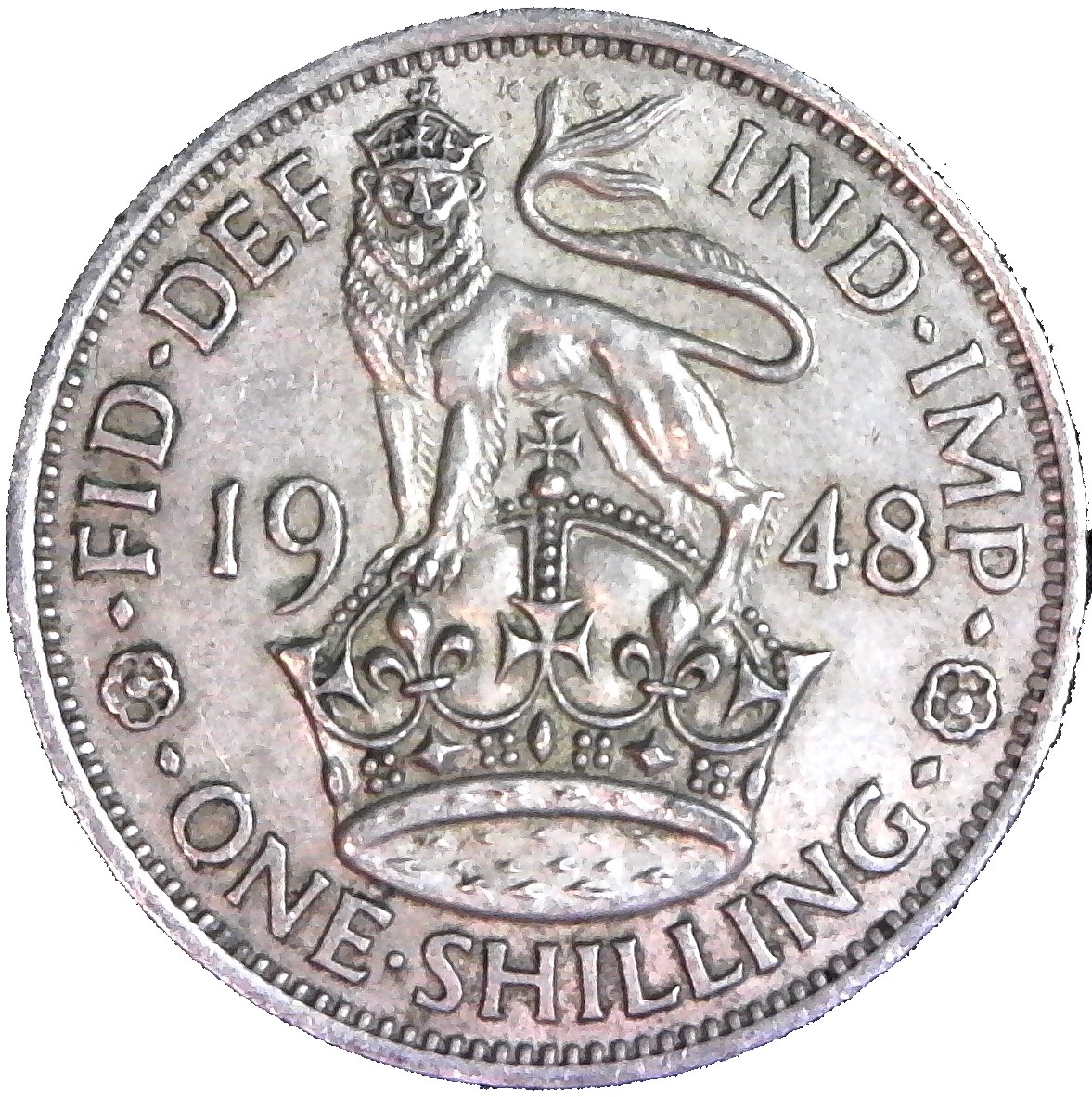
Crowned lion passant atop crown dividing date within circle, legend above, denomination below.
Find this on eBay
AffiliatePattern Shilling price history
Daily limit reachedAbout the 1923 Shilling - George V 2nd coinage – Pattern
The 1923 Shilling - George V 2nd coinage – Pattern is a collector 1 shilling coin issued from 1923 to 1924, struck in nickel. It measures 23.5mm across. Reverse design: Crowned lion passant atop crown dividing date within circle, legend above, denomination below.
It is no longer legal tender, so its value is to collectors only.
Common questions
How much is the 1923 Shilling - George V 2nd coinage – Pattern worth?
No verified sale of the 1923 Shilling - George V 2nd coinage – Pattern has been logged on MyCoinage yet.
What is the nickel trial shilling?
A trial striking of the George V shilling in nickel instead of silver. The Royal Mint says the 1924 piece was made to test whether a coin struck in a base metal, worth less than its face value, would be viable. The design is the ordinary lion on crown shilling.
Were nickel shillings ever issued?
No. The trial pieces were never put into circulation, and shillings stayed 0.500 silver until 1946. Britain's silver coins were replaced by cupro-nickel only from 1947, after the Second World War.
How can a nickel trial shilling be told from a normal one?
By the metal and weight. The Royal Mint says the 1924 nickel trial weighs half a gramme less than the 0.500 silver shilling. The Royal Mint Museum's 1923 trial in nickel-silver weighs 5.44 g. The design and inscriptions are the same as the currency coin.
How do I identify the 1923 Shilling - George V 2nd coinage – Pattern?
Check the diameter 23.5mm and the metal (nickel) against the specification table on this page. The reverse design is described above.
History and design
After the First World War pushed up the price of silver, the Royal Mint cut British silver coins from sterling to 0.500 silver in 1920. The Royal Mint Museum notes that three different 0.500 alloys were tried in the first two years alone. The Mint also looked at doing without silver: the Royal Mint says its 1924 nickel trial shilling was made to test whether a coin struck in a base metal with an intrinsic value below its face value would work.
This entry covers those nickel trials, dated 1923 and 1924. The Royal Mint Museum holds a 1923 trial shilling in nickel-silver weighing 5.44 g, alongside one struck in 0.720 silver the same year, and its collection includes nickel and cupro-nickel trial sixpences dated 1919. None was issued. Shillings stayed 0.500 silver until 1946, as Wikipedia records.
The trials use the ordinary dies of the day. The obverse is Bertram Mackennal's bare head of George V facing left with GEORGIVS V DEI GRA: BRITT: OMN: REX, and the reverse is the Royal Crest, a crowned lion standing on a crown, with FID: DEF: IND: IMP: and the date. The Royal Mint names George William de Saulles as the reverse designer. The museum's 1923 piece has a milled edge, and the Royal Mint gives the 1924 piece a diameter of 23.50 mm.
Collecting notes
These are trial pieces, not currency. The Royal Mint says the 1924 nickel trial weighs half a gramme less than the 0.500 silver shilling, so weight and colour are the obvious first checks against a normal 1920 to 1926 shilling. No mintage is recorded.
Sources
The history, design, varieties and collecting notes on this page are drawn from these sources. Prices come from recorded sales, not from them.
- George V Nickel Trial Shilling, 1924, The Royal Mint (read 10 Oct 2026)
- George V trial shilling, 1923 (RMM 1996), The Royal Mint Museum, via Museum Data Service (read 10 Oct 2026)
- George V trial shilling, 1923 (RMM 1995), The Royal Mint Museum, via Museum Data Service (read 10 Oct 2026)
- Object search: George V trial sixpence, Museum Data Service (read 10 Oct 2026)
- George V, Royal Mint Museum (read 10 Oct 2026)
- Shilling (British coin), Wikipedia (read 10 Oct 2026)
More 1 Shilling coins from nearby years