½ Penny - George III Gold Strike Pattern (1788–1880)
| Country | United Kingdom |
| Year | 1788–1880 |
| Denomination | ½ Penny |
| Mint | Royal Mint · Llantrisant |
| Circulation | Non-circulating |
| Demonetised | 1969 |
| Composition | Gold |
| Diameter | 28.0mm |
| Thickness | 1.50mm |
| Shape | Round |
| Orientation | Coin alignment ↑↓ |
| Grade scale | UK (EF/UNC) |
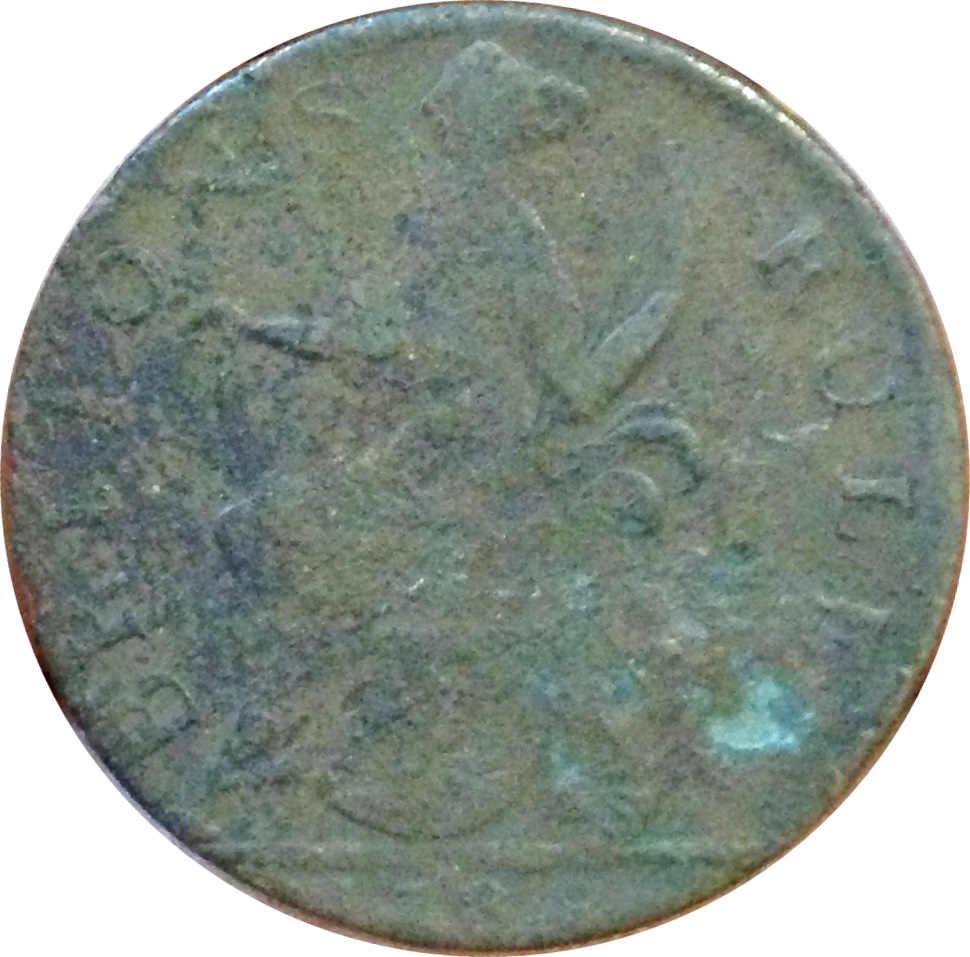
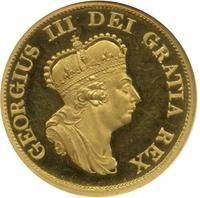
Crowned and draped bust of King George III facing right, legend around.
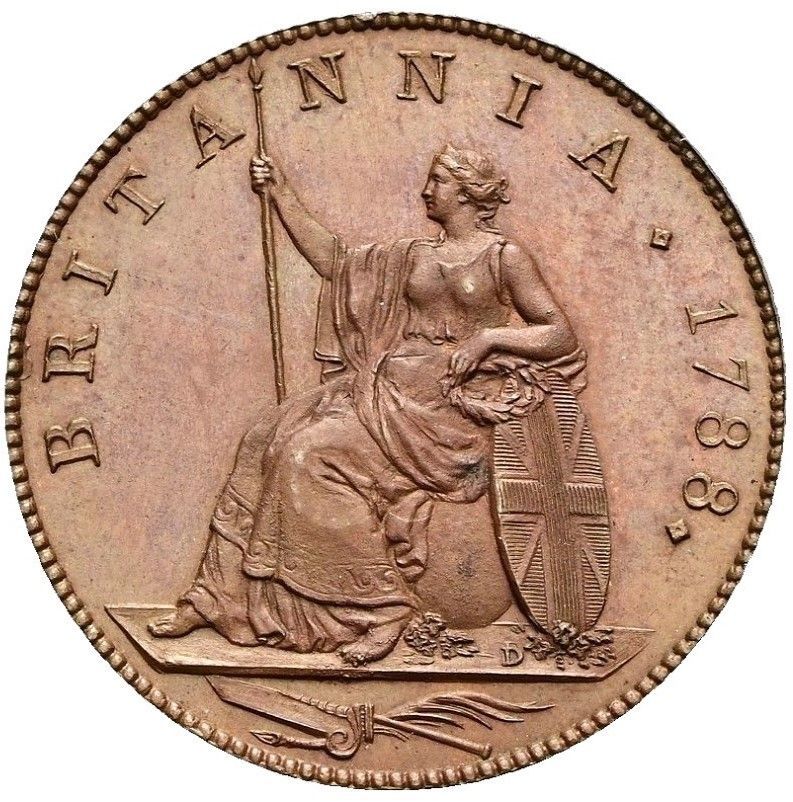
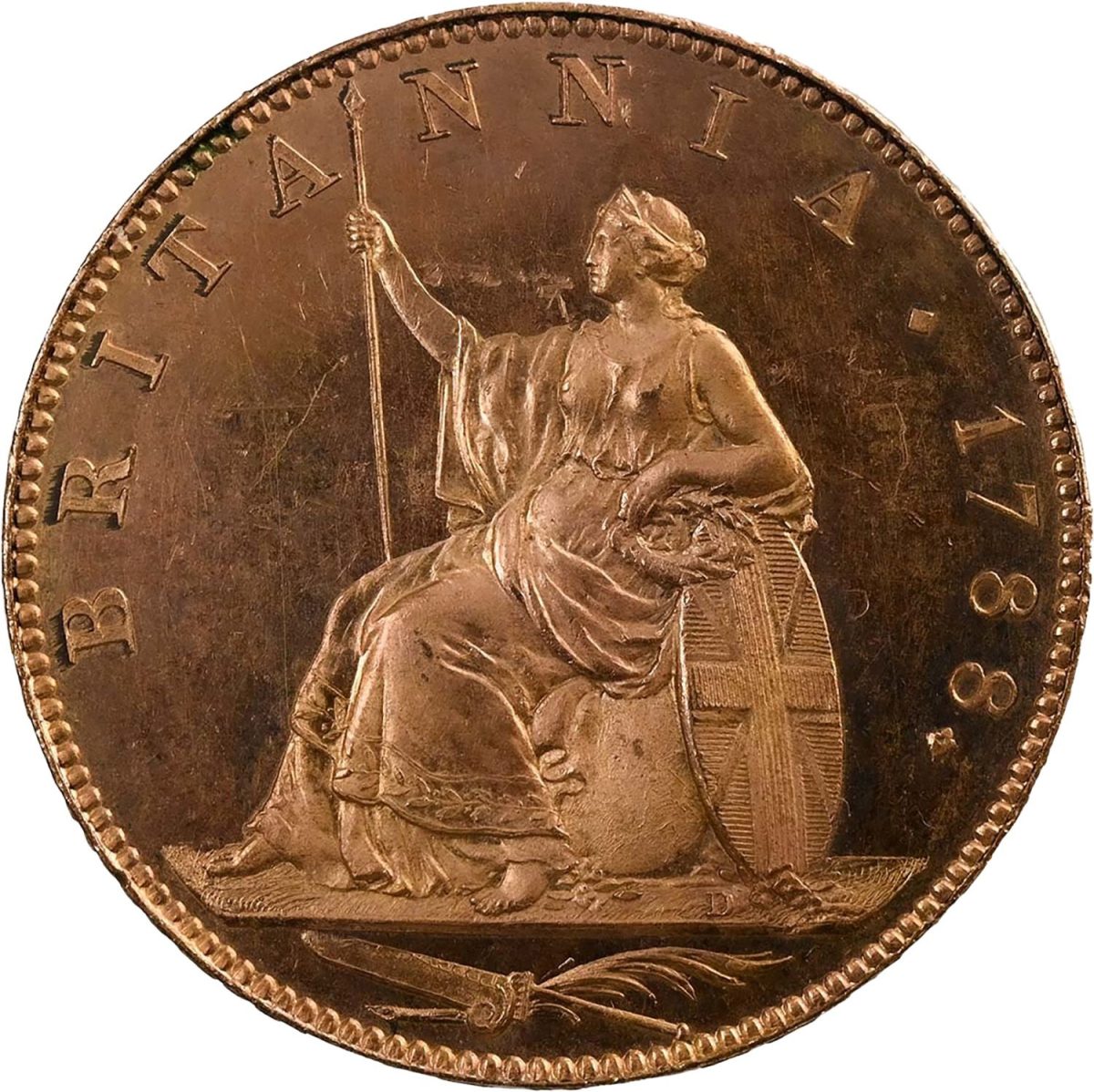
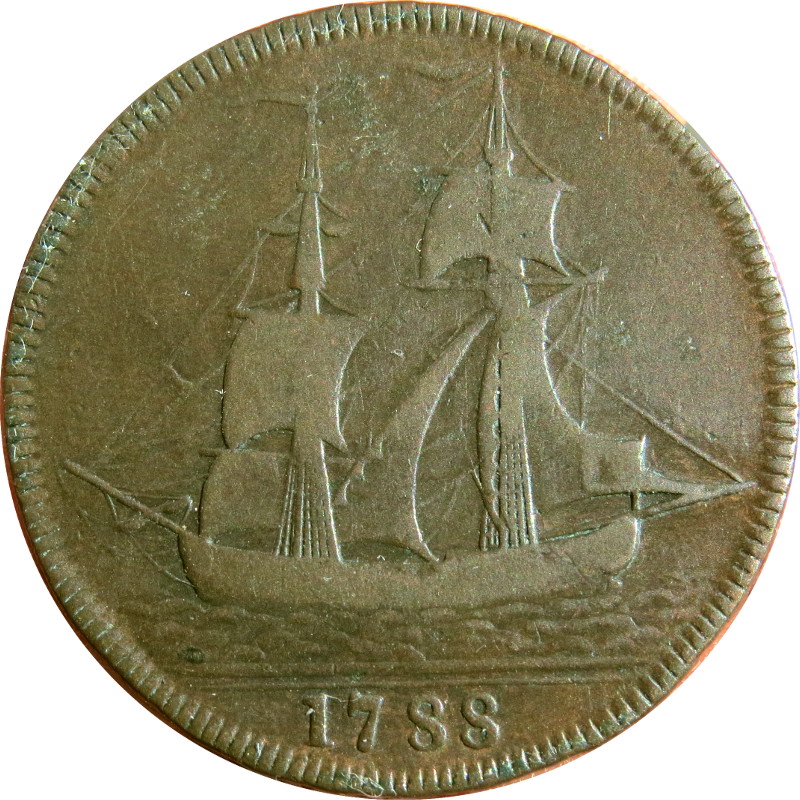
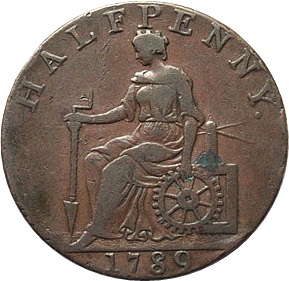
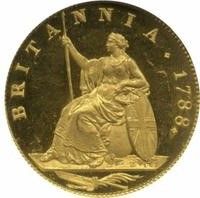
Seated figure of Britannia facing left with trident and shield with Union flag. Crossed Sword and Quill below.
Find this on eBay
AffiliateHalfpenny - George III Gold Strike Pattern price history
Daily limit reachedAbout the 1788 Halfpenny - George III Gold Strike Pattern
The 1788 Halfpenny - George III Gold Strike Pattern is a collector ½ penny coin issued from 1788 to 1880, struck in gold. It measures 28mm across. Reverse design: Seated figure of Britannia facing left with trident and shield with Union flag. Crossed Sword and Quill below.
It is no longer legal tender (withdrawn 1969), so its value is to collectors only.
Common questions
How much is the 1788 Halfpenny - George III Gold Strike Pattern worth?
No verified sale of the 1788 Halfpenny - George III Gold Strike Pattern has been logged on MyCoinage yet.
Was the 1788 pattern halfpenny struck in gold?
No gold example appears in the Royal Mint Museum, Ashmolean or Perth records of 1788 halfpenny patterns. Those museums hold gilt, copper, bronzed and silver strikings of Jean-Pierre Droz's Soho design. A solid gold piece should be treated with caution until it is matched to a published catalogue number.
What do genuine 1788 pattern halfpennies look like?
The Soho pattern by Droz has a laureate head of George III with GEORGIVS III D G REX and Britannia seated left with BRITANNIA 1788. The Royal Mint Museum's gilt examples weigh about 15.9 g; edges are lettered or guilloche.
Is a gilt pattern the same as a gold strike?
No. A gilt piece is copper with a thin gold surface, which is how the Royal Mint Museum and the Ashmolean describe their gilt 1788 patterns. A gold strike would be struck in solid gold and weigh more for the same size.
How do I identify the 1788 Halfpenny - George III Gold Strike Pattern?
Check the diameter 28mm and the metal (gold) against the specification table on this page. The reverse design is described above.
History and design
The catalogue lists this piece as a gold striking of a 1788 pattern halfpenny. In 1788 Matthew Boulton's Soho Mint in Birmingham struck pattern halfpennies engraved by the Swiss medallist Jean-Pierre Droz, and the Royal Mint at the Tower struck a pattern of its own. The documented Soho strikings are in gilt copper, plain copper, bronzed copper and silver. No gold example was found among the 1788 halfpenny patterns recorded by the Royal Mint Museum, the Ashmolean Museum or Culture Perth and Kinross.
Tony Clayton notes that Boulton made later strikes of his coppers in several metals, and that W.J. Taylor struck more after acquiring the Soho dies. Whether this entry is one of those later strikings is not known.
The catalogue describes a crowned and draped bust of George III and, on the reverse, Britannia seated with a crossed sword and quill below. That does not match the documented 1788 Soho pattern, which has a laureate head with GEORGIVS III D G REX and Britannia with BRITANNIA 1788, nor the Royal Mint's Tower pattern of the same year. The design on this entry is therefore unconfirmed.
Collecting notes
Treat any gold "1788 halfpenny" with caution. Ask for a published catalogue number (Peck numbers are used for these patterns), a weight and an edge description, and compare them with the museum pieces: the Royal Mint Museum's gilt 1788 patterns weigh about 15.9 g, with a lettered or guilloche edge.
A gilt piece is not a gold strike. For the documented strikings see the 1788 pattern halfpenny and the 1788 bronzed pattern.
Sources
The history, design, varieties and collecting notes on this page are drawn from these sources. Prices come from recorded sales, not from them.
- George III pattern halfpenny, 1788 (RMM 1104), with RMM 1105, 1106 and 1083, The Royal Mint Museum, via Museum Data Service (read 12 Oct 2026)
- Halfpenny, 1788 (late Soho), HCR152505, with other 1788 strikings in the Soho collection, Heberden Coin Room, Ashmolean Museum (read 12 Oct 2026)
- Coin, Halfpenny, proof, 1788 (BC490), Culture Perth and Kinross, via Museum Data Service (read 12 Oct 2026)
- Pictures of Half Penny Coins of George III, Tony Clayton, Coins of the UK (read 12 Oct 2026)
- The Penny, Tony Clayton, Coins of the UK (read 12 Oct 2026)
More ½ Penny coins from nearby years